Starting Hair Length for Extensions
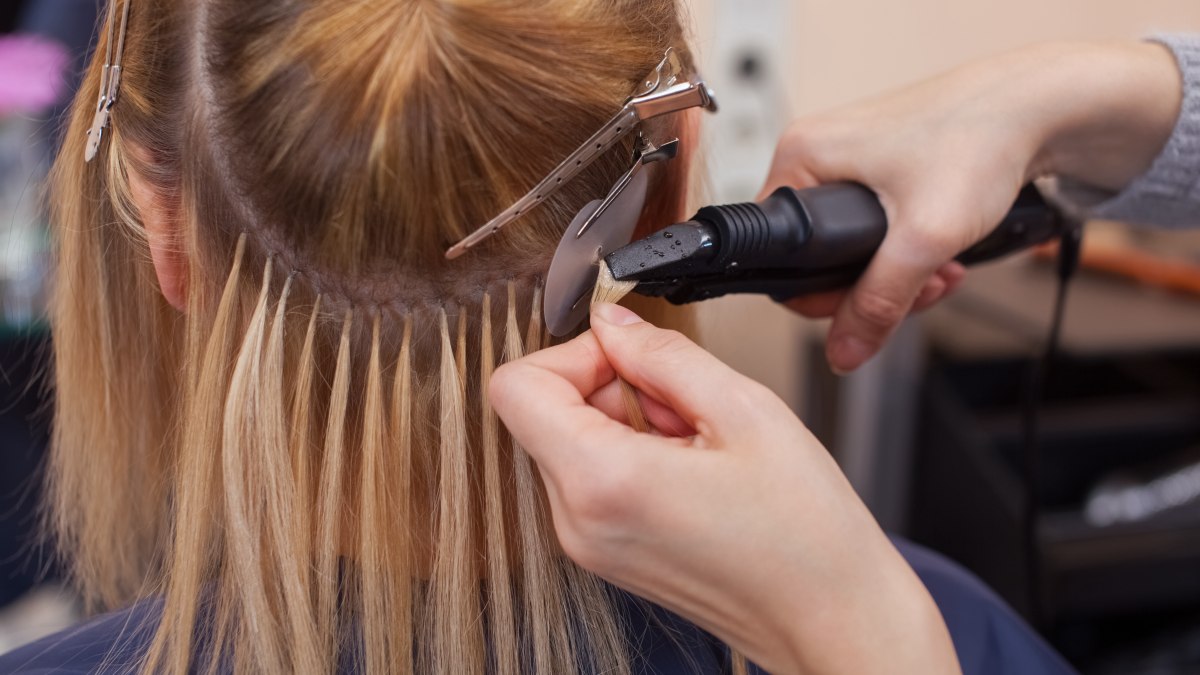
A: The answer depends on the type of hair extensions you are looking to have placed. The minimum starting length can range from as little as one inch (2.5 cm) to as much as 4–5 inches (10–12 cm), depending on the extension method being used and the individual stylist's experience and preferences.
This is because there is no universal minimum hair length that applies to every extension method. Some techniques are designed to work on very short hair, while others require a longer foundation to ensure the extensions are secure and blend naturally.
Minimum Length Guidelines by Extension Type
To give you a general idea of method-specific minimums:• Keratin Fusion / K-Tips: 2–3 inches (5–7 cm). Tiny individual bonds allow for the most flexible placement on short hair.
• Tape-Ins & Micro-Links: 4–5 inches (10–12 cm). Requires enough natural hair to lay flat and cover the tapes or beads.
• Sew-Ins / Weaves: 4–6 inches (10–15 cm). Needs sufficient length to form a strong, flat braid base.
• Clip-Ins: 4–5 inches (10–12 cm). Temporary clip-in hair extensions are bulkier and need enough hair above them.
How Natural Length Affects Blending
The length of your natural hair can also have a significant impact on the final appearance of your extensions. In general, the longer your own hair is before the extensions are installed, the easier it is to create a seamless blend.As a general rule of thumb, trying to add 20 inches (50 cm) of hair to a 2-inch (5 cm) pixie cut makes blending nearly impossible. If your natural hair is short, sticking to a moderate added length yields a much more realistic result.
The shorter your hair is before getting extensions, the more likely it is that your stylist will need to cut and blend the extensions with layers to avoid making them obvious. A skilled stylist can usually create a natural-looking result even on shorter hair, but it often requires more customization and careful placement.
The Role of Hair Texture and Density
Hair texture is another important factor. Thick, coarse, or curly hair can often conceal extension attachment points more easily than fine, straight hair. Likewise, the density of your natural hair may influence which extension method is recommended and how much length can realistically be added while still maintaining a natural appearance.Hair Health and Scalp Safety
Healthy hair is just as important as hair length. Even if your hair meets the minimum length requirement, it should be strong enough to support the added weight of the extensions. Putting heavy, long extensions onto short, fragile hair creates high tension on the roots, which can lead to traction alopecia.If your hair is fragile, severely damaged, or experiencing excessive shedding, your stylist may recommend strengthening or repairing your hair before proceeding with an extension service.
©Hairfinder.com
See also:
How long does it take to apply hair extensions?
When you have extensions, does your hair still grow?
How long do hair extensions last for before having to be removed or replaced?