Shampoo for Your Own Hair Type
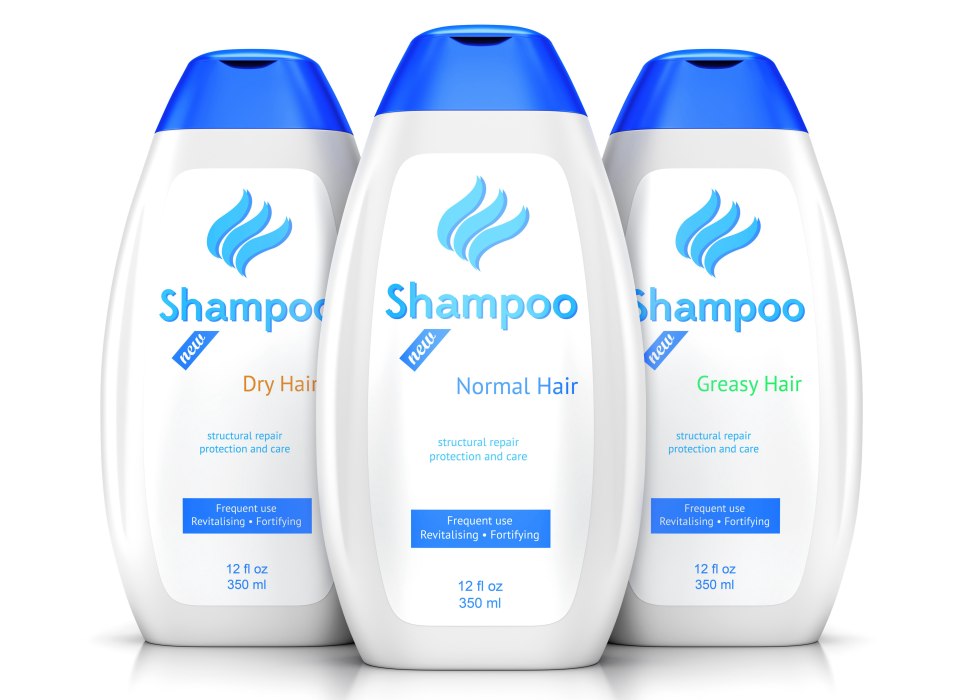
A: Yes, definitely. The trouble is when people don’t understand exactly what they need from their shampoo versus another product.
The Limits of Specialized Shampoos
Someone may have a significant problem with dandruff and frizz in their curls, or they may have thick and curly hair, or their hair may be dry, fine, and limp. In some cases, you can find a shampoo that will address multiple problems. For example, it isn’t uncommon to find a shampoo for fine hair that has good moisturizers and can help with dryness.But many shampoos that are formulated for specific hair types are more specialized. Dandruff shampoos are meant to be used in conjunction with your normal shampoo routine in order to keep dandruff under control. When used too frequently, they can be hard on finer hair types and may leave the hair feeling dry or stripped.
A shampoo designed to smooth your curls and control frizz may be too heavy for fine hair types that also happen to be curly and leave the hair flat. And we mustn’t forget the common complaint of, “My hair is oily at the scalp and dry on the ends,” which is a combination that no single shampoo seems destined to resolve completely.
The solution is to know what you need your shampoo to do for your hair. Shampoo is primarily there to cleanse the scalp and hair, but the right formula can also help create the foundation for how your hair looks and feels afterward. The rest of the routine - conditioner, leave-in products, styling products, and treatments - can then be used to address the other concerns.
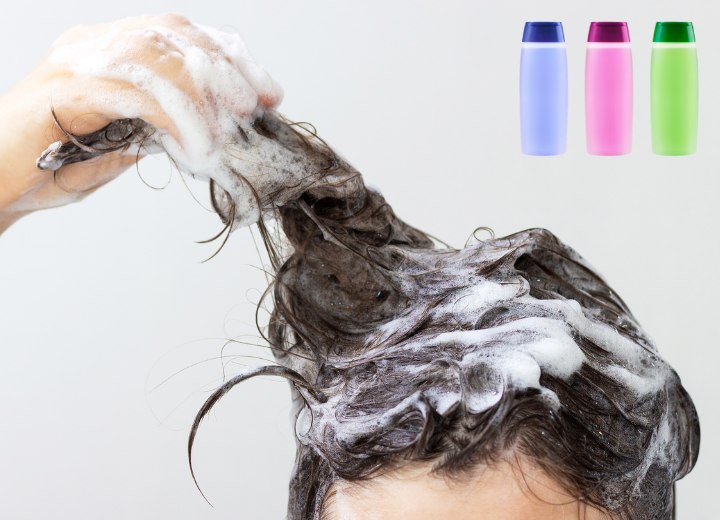
Targeting Solutions for Specific Hair Combinations
When you have curly, fine hair, you should look to the shampoo to help volumize the fine hair, make it look fuller, and give it body. Use other products to keep the curl smooth, namely lightweight ones that won’t weigh the hair down again. A lightweight leave-in conditioner or curl product can often give you the definition you want without sacrificing volume.If your problem is oily scalp and dry ends, use a shampoo for oily hair, focusing the application on the scalp. There is usually no need to aggressively scrub the dry ends. Let the shampoo and water run through the lengths as you rinse. Afterward, use a spray-on conditioner or another lightweight conditioner that you can target specifically to the ends of the hair. This approach lets you treat two very different areas of the hair according to what each one actually needs.
If you have frizzy curls and dandruff, you have to alternate the use of your curl-taming shampoo with your dandruff shampoo to keep the flakes down and the curls smooth. The exact frequency will depend on how much dandruff you have and how your scalp responds. The important point is that the dandruff shampoo is treating the scalp concern, while your regular shampoo and conditioning products can focus more on the hair itself.
The same principle applies to other combinations of hair concerns. Fine, dry hair may need moisture, but too much moisture or too many rich products can make fine hair limp. Thick, coarse hair may benefit from richer conditioning, while a person with an oily scalp may need a lighter formula even if the lengths are dry. Someone with color-treated hair may also want a shampoo that is gentle enough to help maintain the condition and appearance of the color.
It is also important to remember that your “hair type” is not necessarily just one category. You can have fine, curly, color-treated hair with an oily scalp and dry ends. In that situation, looking for one bottle that says it solves every problem can be frustrating. It is often much more effective to identify the primary problem you want your shampoo to solve and then use your other products to deal with the remaining concerns.
Finding the Right Level of Cleansing
Another common mistake is assuming that a shampoo needs to make the hair feel extremely clean in order to be effective. A shampoo that leaves your hair squeaky, rough, or tangled may simply be cleansing more aggressively than your hair needs. On the other hand, if your scalp feels greasy shortly after washing or you have significant product buildup, a formula that is too gentle may not be giving you the cleansing you need.How you use the shampoo matters, too. In most cases, concentrate the shampoo on the scalp rather than piling it onto the ends. The scalp is where oil, sweat, dead skin cells, and product buildup accumulate. The lengths generally need less direct cleansing, particularly if they are dry, damaged, curly, or chemically treated.
Adapting to Changing Hair Needs
Don’t be afraid to change your shampoo routine when your hair changes. Hair can behave differently with the seasons, changes in styling habits, coloring or chemical treatments, and even changes in how often you wash it. A shampoo that worked perfectly when your hair was long and dry may not be the best choice after you cut it short or start using more styling products.The best shampoo for your hair type is the one that addresses the job you actually need it to do without creating another problem. You don’t necessarily need a different shampoo for every individual concern. Instead, think of your hair routine as a team: let the shampoo take care of cleansing and the scalp, and use conditioner and styling products to provide the moisture, smoothness, volume, …
Once you understand that distinction, choosing a shampoo becomes much easier. Instead of simply buying a product because it says “for curly hair,” “for fine hair,” or “for dry hair” on the bottle, you can ask a much better question: What does my hair need most from my shampoo? That is usually the key to finding a shampoo that actually works.
©Hairfinder.com
See also:
How often should I change my shampoo?
Is it true that you should change champoos regularly?
Does expensive shampoo make a difference?