Hair Sticks Up

A: Usually, the primary cause of "bed-head" is the friction between your head/hair and the linens of your pillow and bedding.
Hair texture and length also play a role. Since your hair is slightly wavy and chin-length, it has enough natural movement to bend easily, but it lacks the weight of long hair to pull itself back down into place overnight. Shorter and medium-length styles are much more likely to keep the shape they were pressed into while you slept.
To fix this, my first suggestion is to look at what you are putting in your hair before sleep. You should absolutely avoid sleeping with strong hold styling products in your hair (such as gels, mousses, waxes, and hairsprays). The friction and warmth of sleep will re-activate these products, essentially gluing your hair into whatever stubborn position it ends up in overnight. If you use these styles during the day, it helps to thoroughly brush your hair with a natural bristle brush before bed, or wash it out.
However, not all products are bad for bedtime. Because wavy hair is naturally prone to dryness and friction, applying a tiny amount of a lightweight leave-in conditioner or hair oil before bed can actually help. It smooths the hair cuticle and locks in moisture, making the strands too slick to easily tangle or set into weird shapes.
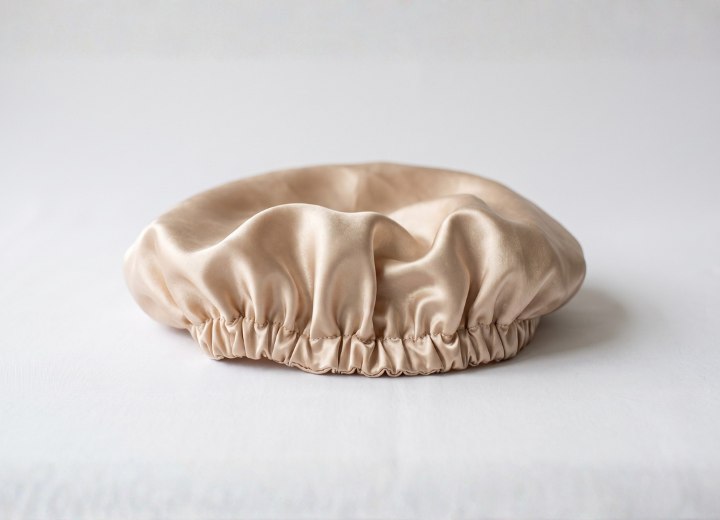
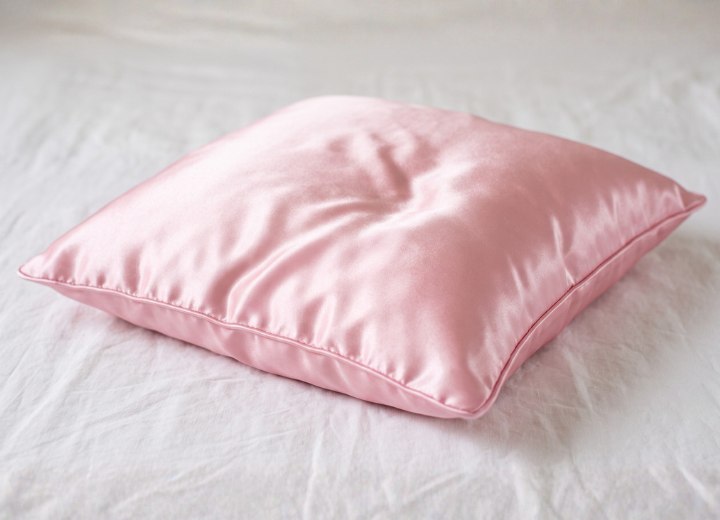
Secondly, it is time to consider investing in a silk or satin sleeping cap, or a silk or satin pillowcase for your bed. Standard cotton pillowcases tend to grip the hair and create friction. The smooth texture of silk or satin allows your hair to glide across the surface, which significantly reduces morning frizz and static.
If you feel your problem is mostly that your hair moves too freely into awkward positions, a sleeping cap is your best option because it keeps the hair contained. If your bed-head is accompanied by significant amounts of frizz in the morning, you should at the very least switch to a satin pillowcase.
Keep in mind that some degree of bed-head is perfectly normal for virtually everyone. The goal isn't to eliminate it entirely, but rather to reduce the overnight friction and movement so that your morning routine is quick and easy.
©Hairfinder.com
See also:
How to protect your hair while you sleep
Is it true that we all have a good side and a bad side of hair?
How can I keep my freshly straightened hair straight while sleeping?
Why do we have to dry our hair before we go to sleep?