Drying Hair Before Sleeping
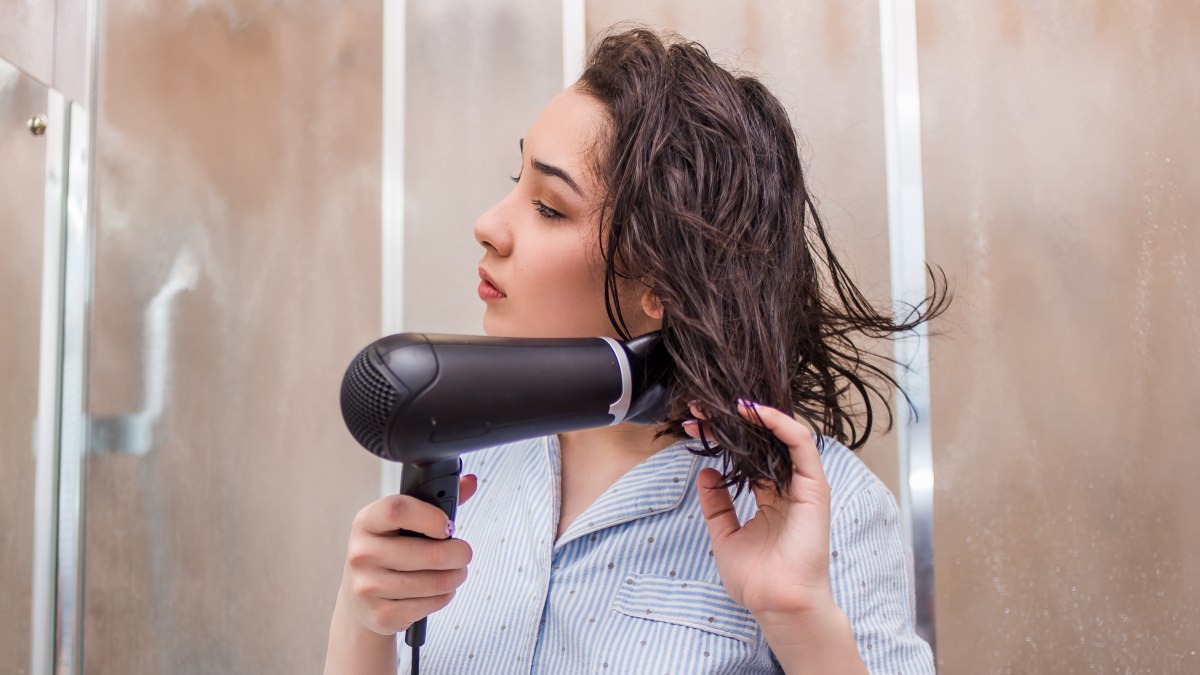
A: Well, drying the hair before sleeping on it is a good idea, but not for most of the reasons advocated by your mothers and grandmothers. Going to sleep with damp hair WILL NOT give you pneumonia or any other illness. However, there are some definitive, science-backed reasons for drying the hair before going to bed.
1. Structural Hair Damage & Hygral Fatigue
Water fundamentally changes the physical structure of your hair. When water penetrates the outer cuticle layer, it enters the hair’s inner core (the cortex) and disrupts its temporary hydrogen bonds, causing the hair shaft to swell.When hair is left wet for extended periods - such as overnight - it undergoes prolonged expansion and contraction as it slowly dries. This repeated swelling and shrinking causes a form of structural strain known as hygral fatigue. Over time, this weakens the protective cuticle, increases hair porosity, and leads to chronic frizz and dullness.
This is especially problematic when hair is wrapped in bonnets, scarves, or tight caps while damp, as trapped moisture prevents evaporation and forces hair to stay in a swollen, vulnerable state for hours.
2. Friction and Breakage
Because water breaks the structural hydrogen bonds, hair is significantly weaker and more elastic when wet. When you go to bed with damp hair, it gets maneuvered into strange configurations as you toss and turn.The friction against your pillow pulls on these weakened strands, causing tangles, snarls, and severe breakage. Even if you gather the hair into a loose tie, you risk creating hard bends that have to be smoothed out later with extra styling effort.
3. Scalp Health and Microbe Growth
Finally, there is the matter of your scalp's microclimate. Resting a damp head on a pillow creates a warm, moist, trapped environment.Beyond potentially developing an unpleasant odor, this warm, humid setting is an absolute playground for microbes - particularly a naturally occurring yeast called Malassezia. Given hours of dampness, this yeast can overgrow, leading to scalp irritation, severe itching, dandruff, and conditions like seborrheic dermatitis.
Additionally, damp pillows create a prime environment for mold spores and dust mites to thrive in your bedding.
©Hairfinder.com
See also:
Why wet hair is more fragile
Why you should not brush your hair when it is wet
How to protect your hair during the night, when sleeping