Protect Your Hair While You Sleep

A: It sounds to me like in your tossing and turning, you're rubbing your head (and your hair) back and forth across your pillow, and this is obviously what's been roughing up your hair.
Friction and Hair Damage
When we toss and turn, rubbing our heads and hair across traditional fabrics like cotton, we can snag our hair against the pillowcase’s fibers. Cotton pillowcases also tend to absorb moisture from your hair while you sleep, and this leaves it drier and more prone to damage.This rubbing results in roughing up the surface of the hair shaft and leads to the knots you describe. Over time, repeated friction can contribute to split ends, frizz, and hair breakage, especially if your hair is already dry, chemically treated, or otherwise fragile.
Morning Detangling
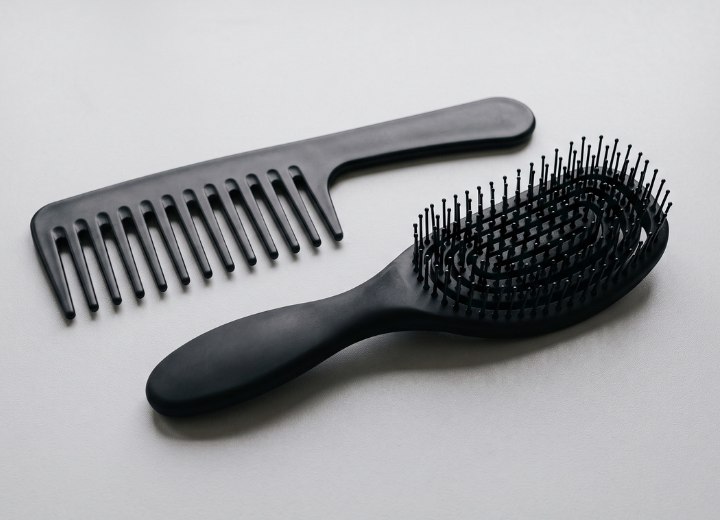
When you get ready in the morning to start your day, you should use care in removing these tangles to avoid breakage. A detangling spray or a light leave-in conditioner is a good idea, as is removing any tangles and snags before you shower and shampoo your hair. Remember that wet hair is much more fragile.Don't pull a brush or comb forcefully through a large knot of hair. Instead, gently separate the hair with your fingers first, then work through the remaining tangles with a wide-tooth comb or a brush designed specifically for detangling. Start at the ends and gradually work your way upward toward the roots. This detangling method puts much less stress on the hair.
Wearing Protective Hairstyles at Night
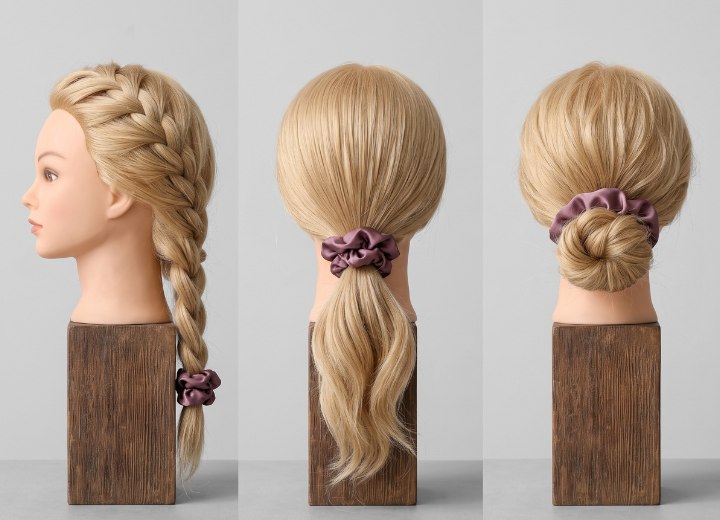
If you have long hair, you should consider putting your hair into a protective style before bed. By restricting the range of movement your hair can achieve while you are sleeping, you minimize the amount of damage that could occur.A loose braid is preferable to a tight one. The goal is to keep the hair contained, not to pull tightly on the scalp or put constant tension on the roots, because tight styles worn overnight can lead to hair loss over time.
You can also try a loose, low ponytail or a soft, loose bun secured with a soft fabric scrunchie or silk hair tie. Avoid tight elastics, especially rubber bands or anything with metal clasps or rough seams, because they can become another source of friction and potential breakage.
Bedding and Accessories
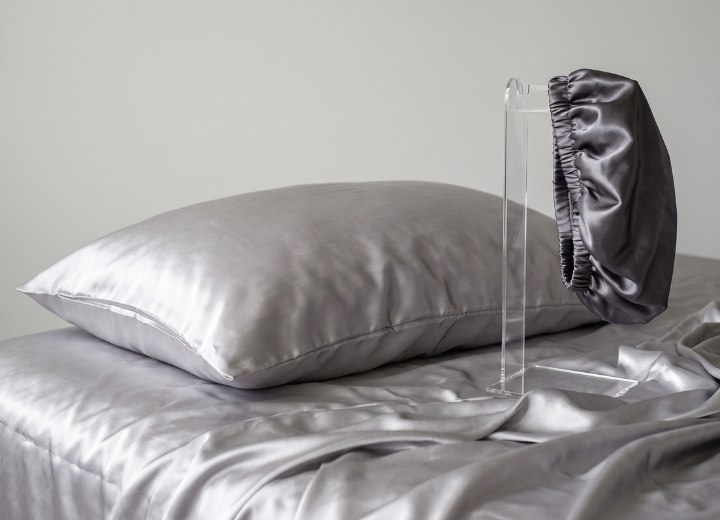
You can also minimize the problem by using a high-quality silk or satin pillowcase to sleep on, or a silk or satin bonnet. Bonnets may seem old-fashioned to some, but they served a vital purpose for our grandmothers and remain essential today: keeping the hair contained and reducing friction while you sleep.Silk and satin fabrics are smooth and cause much less friction against the hair than cotton. This means your hair can move more easily across the surface of the pillow rather than catching on individual fibers or losing its natural oils. A silk or satin pillowcase can reduce the amount of rubbing your hair experiences when you toss and turn.
Bonnets have the added benefit of constraining hair so that it doesn't get moved around and roughed up as much during the night. A silk or satin cap can be particularly useful if your hair is long, curly, or prone to tangling.
The Danger of Wet Hair
You should also pay attention to how you go to bed. Do not sleep with your hair soaking wet. Wet hair is in a vulnerable state where it easily stretches and breaks under minimal pressure. It can also leave you with additional tangles and flattened sections in the morning.Sleeping on wet hair can trap moisture against your scalp, creating an environment where micro-organisms like yeast can thrive. If you need to wash your hair at night, allow it to dry thoroughly before going to bed.
Normal Shedding vs. Hair Loss Concerns
If you're seeing a few hairs on your pillow in the morning, that isn't necessarily a sign of true hair loss. It's completely normal to shed between 50 to 100 hairs each day as part of your natural hair growth cycle, and those loose hairs often accumulate on your pillow overnight.However, if you are suddenly seeing substantially more hair than usual, noticing visible thinning, or bald patches, it would be sensible to discuss this with your doctor.
©Hairfinder.com
See also:
Why do we have to dry our hair before we go to sleep?
Is it better to wear silk or satin blouses to keep your hair as healthy as possible?