New Moon, Full Moon and Haircutting
A: If your goal is to grow your hair as long as possible, the most important thing is keeping it healthy. That means preventing split ends and breakage by trimming away damaged ends before they have a chance to travel farther up the hair shaft.
Forget the Calendar
That doesn't mean you must cut off a certain amount of hair every six or eight weeks. Hair doesn't follow a calendar. Some people develop split ends quickly because of heat styling, chemical treatments, or simply fragile hair. Others can go much longer between trims.The best approach is to examine your hair regularly rather than relying on a fixed schedule. Look closely at the ends of your hair. If the ends appear frayed or begin splitting, it's time for a trim. If the ends are still smooth and looking healthy, you can safely wait a little longer.
On average, hair grows about 1 to 1.25 centimeters (roughly half an inch) per month, but the exact rate varies from person to person. Genetics, age, hormones, nutrition, and overall health all play roles in how quickly your hair grows.
What About the Moon?
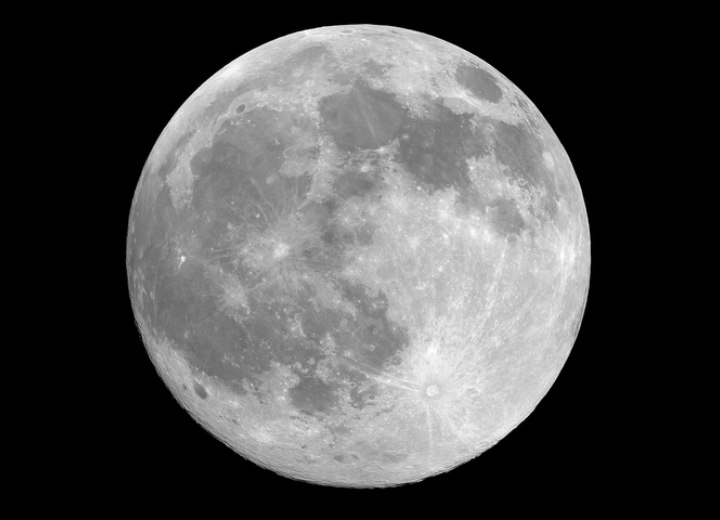
The old wives' tale about cutting your hair during the new moon (or full moon, depending on regional tradition) has been around for generations. While many people still enjoy following the practice, there is no scientific evidence that the phases of the moon influence the rate at which hair grows. Hair growth is not controlled by the lunar cycle.No one knows for certain where the tale and tradition comes from. In many cultures, the moon was believed to influence growth, fertility, and the natural world, so it became associated with everything from planting crops to cutting hair.
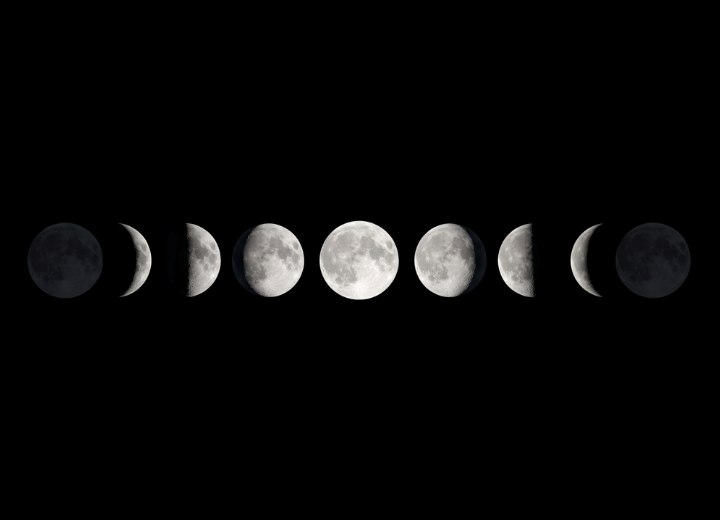
At the same time, long before modern calendars and appointment books, people often used the moon's phases as convenient reminders for recurring household tasks. Since there is a new moon and a full moon approximately every four weeks, these events served as easy markers for grooming routines.
Families would often schedule haircuts, nail trimming, and other personal care tasks around the same time. In many households, everyone (especially the men and boys) received their haircuts on the same day simply because it was practical.
Realistic Timelines
Today, salon visits work differently. Professional haircuts are more expensive, appointments usually need to be scheduled in advance, and many salons recommend returning every 6 to 8 weeks. This guideline isn't about making your hair grow faster. Instead, it's a reasonable average that helps many people maintain their hairstyle, helps prevent excessive split ends, and keeps their hair looking healthy. People with very short cuts may visit more often to maintain the shape, while those growing long hair may only need light trims every 8 to 12 weeks, or even longer if their hair remains in good condition.The bottom line is that your haircut schedule should be based on your hair, not the calendar or the moon. If your hair is prone to split ends, or has been damaged by coloring, bleaching, or heat styling, you'll benefit from more frequent trims than someone whose hair is healthy from root to tip.
If cost is a concern, talk openly with your stylist. An experienced stylist can recommend a trimming schedule that fits both your budget and your hair goals. He or she may suggest removing only the very tips of the hair when it's truly necessary, allowing you to maintain healthy ends while continuing to gain overall hair length.
©Hairfinder.com
See also:
Hair myths
Why and how to trim long hair
How often should I get my hair cut?