Thinning Curly Hair
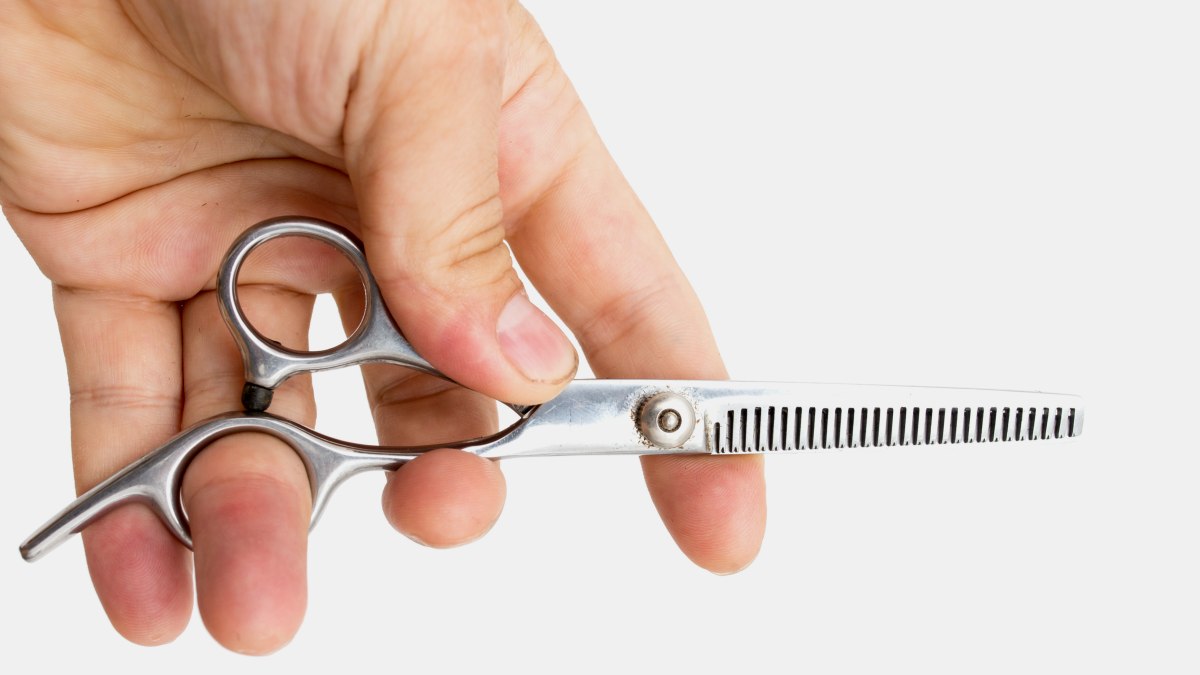
A: Thinning the hair is used to reduce the amount of bulk, and proper weight-removal techniques allow for bulk to be taken out from specific areas. However, one of the primary side effects of aggressively thinning curly hair is that individual strands lose their companion hairs. Curly hair relies on strands grouping together into cohesive units called "curl clumps." When these clumps are disrupted, the hair has less collective protection from environmental factors, leading to a rapid loss of moisture.
Moisture Balance
A common observation by people who have had their hair thinned is that it dries much faster. While this might seem convenient, it means the hair loses its moisture boundary layer too quickly, stripping away the natural oils that keep the hair pliant and conditioned. When curly hair loses moisture, it loses its elasticity and its natural spring.As the hair loses condition and moisture, it becomes less manageable and struggles to form cohesive curls. Instead of smooth, well-defined shapes, it appears frizzy and stringy. This is especially noticeable with naturally curly or wavy hair because curls depend entirely on a healthy moisture balance to maintain their uniform pattern.
Tools and Techniques
It's also crucial to understand that the tools and techniques used to remove weight make all the difference. Traditional thinning shears (the scissors with teeth) and sliding a razor or blade down the hair shaft should never be used on naturally curly hair. These tools cut random strands at different heights along the hair length. Because curly hair naturally expands, these short, interior hairs act like tiny springs, pushing up against the longer hairs and creating massive interior frizz, flyaways, and a completely disrupted curl pattern.Worse yet, as those short interior hairs grow out over the coming months, they don't lie flat; they create a dense puffy band mid-shaft that keeps pushing your outer curls outward, making the hair look even bulkier over time.
Also, razors and thinning-shears leave frayed, diagonal ends on the hair shaft. This drastically spikes your hair’s porosity. This means it absorbs water quickly but leaks it right back out, while leaving the ends far more prone to splitting upward.
Instead, a stylist who specializes in curly hair will manage bulk - and avoid the dreaded triangular pyramid shape - through the geometry of the haircut itself. By using strategic perimeter layering or dry curl-by-curl carving, they collapse the bulk and allow the top layers to spring up without shredding the hair's internal structure.

Advice
In your situation, I recommend starting with a micro-trim from a curl specialist to snip off the frayed, uneven ends left by the thinning shears before they split further up the shaft. Begin a routine of daily conditioning using a leave-in conditioning spray, alongside a weekly deep conditioning treatment. If your hair feels limp or straw-like despite being conditioned, alternate your moisture treatments with a mild protein treatment to help patch the torn hair cuticles and lock that moisture inside.You will also find it helpful to apply a curl-defining cream or moisturizing gel to soaking wet hair. These products trap water inside the hair before air-drying can cause frizz, helping individual strands find each other again to form smooth, uniform clumps.
Another helpful habit is to minimize heat styling. Frequent blow-drying without a diffuser or using high heat will further dry out hair that has already been structurally compromised. If you do use heat, always apply a heat protectant first and use a diffuser on a low, cool setting. Sleeping on a satin or silk pillowcase can also drastically reduce the overnight friction that tears fragile curl clumps apart.
Remember that naturally curly hair rarely, if ever, needs a standard thinning step. Avoid interior thinning altogether. Instead, look for a stylist experienced in dry-cutting curly hair who can visually shape your haircut, strategically removing weight through proper shaping and layering rather than using texturizing tools.
©Hairfinder.com
See also:
How to thin out hair
Causes and treatments for hair frizz
I thinned my hair too much. How can I make it thick again?