Hair Thinning & Length
A: Your concerns about trying something new with your hair are understandable, especially when you have thick, beautiful hair that you don't want to risk ruining. The good news is that proper hair thinning is actually a very controlled process that shouldn't dramatically change your overall appearance.
Thinning Shears vs. Traditional Layering
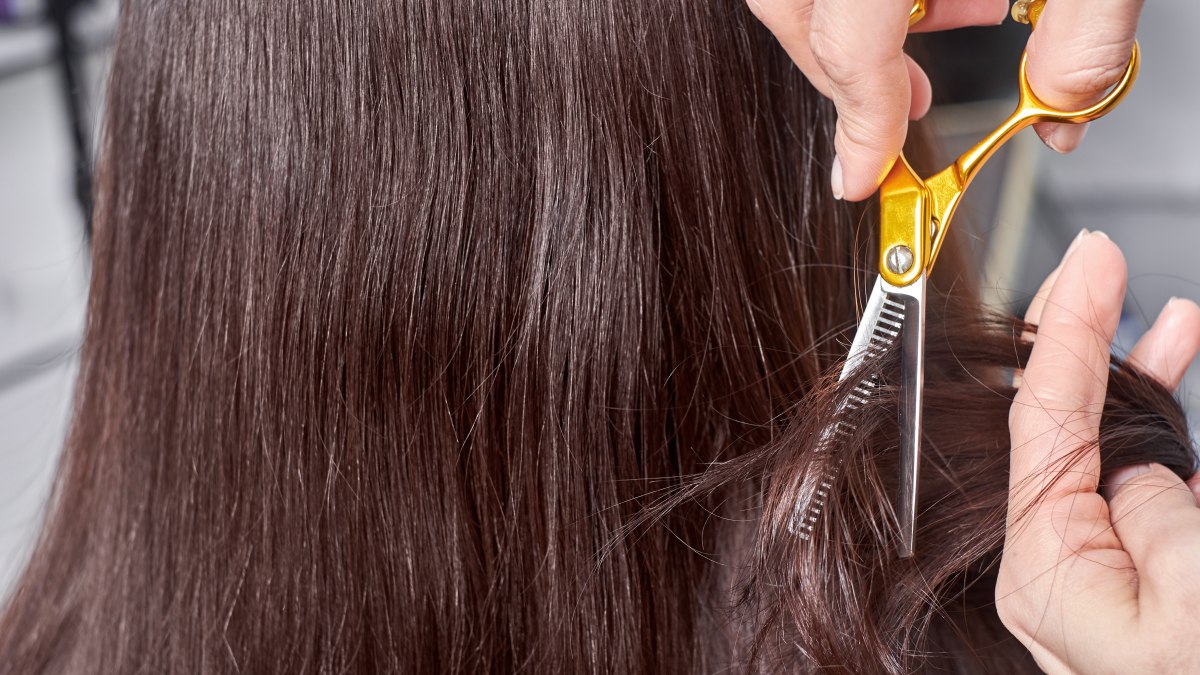
To achieve that reduction in bulk and weight, the stylist does need to remove some hair. Thinning shears (also called texturizing shears) have one regular blade and one blade with teeth.When the stylist cuts with these shears, the toothed blade allows some hairs to pass through while cutting others. This creates scattered, shorter internal strands that blend invisibly with the full-length hair, reducing weight without creating the distinct steps of traditional layering.
Considerations for Asian Hair
For thick, straight Asian hair, this process requires extra care:• Placement Matters: The thinning must be focused strictly on the mid-lengths to ends. If thinning shears are used too close to the scalp, coarse Asian hair strands can act like short, stiff stubble that pushes the longer top hair up, actually creating unwanted volume or frizz.
• Alternative Techniques: Many stylists specializing in East Asian hair prefer techniques like point-cutting, slide-cutting, or channel-cutting with standard shears rather than thinning shears, as this offers more precise control over how straight hair falls.
If you're still feeling hesitant, consider starting conservatively. You can always have more hair thinned in a follow-up appointment, but you can't put it back once it's cut. A skilled stylist should be able to show you before and after photos of similar hair types and explain the exact technique he or she plans to use.
©Hairfinder.com
See also:
What type of thinning do you recommend for my thick hair?
I thinned my hair too much. Can I make it thick again?
What's a good number of teeth in one sided thinning shears?