Pluck White Hairs
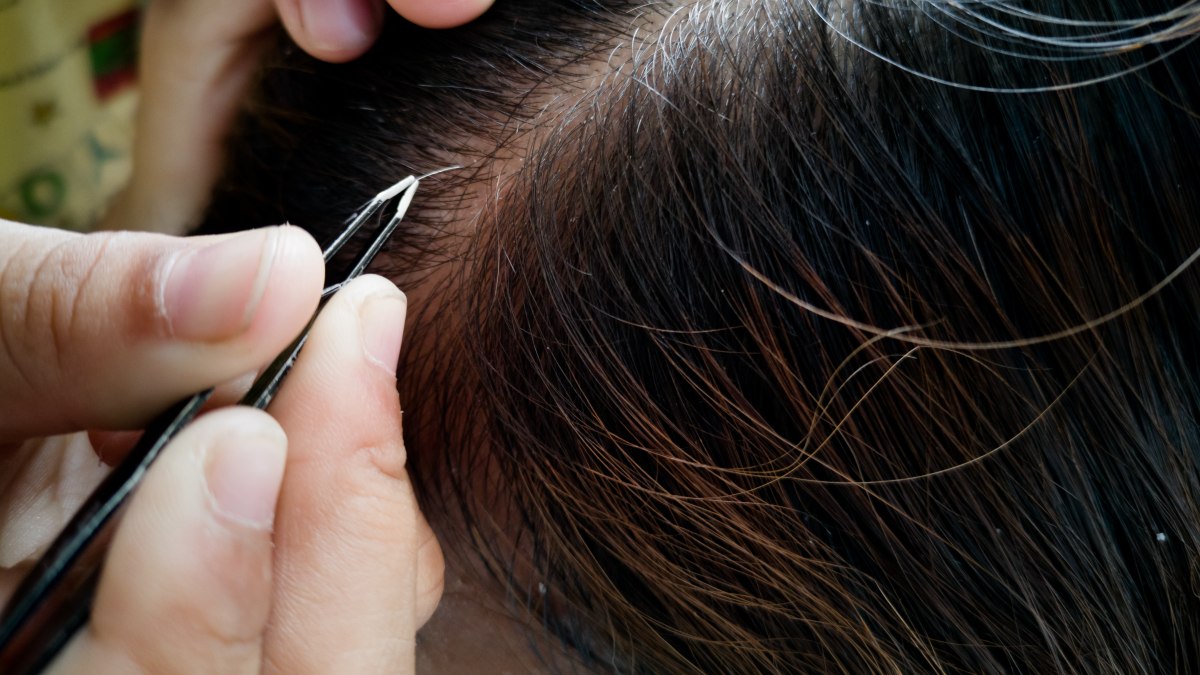
A: Hair removal can be surprisingly complex, and even methods marketed as "permanent" don't always deliver lasting results. The key to understanding whether your plucked hairs will return lies in what happens to the hair follicle during the removal process.
Even if you pull out the complete root bulb, the living stem cells and blood supply (dermal papilla) deep inside the follicle remain intact beneath the skin. Truly permanent hair removal requires destroying these regenerative cells using specialized procedures like electrolysis, not mechanical tweezing.
Does Hair Color Matter?
The color of your hair - whether it's white, black, blonde, brown, or any other shade - doesn't affect this process. Hair pigmentation occurs in the hair shaft itself and doesn't influence the follicle's ability to regenerate. The same principles apply whether you're dealing with stubborn white hairs, dark roots, or lighter blonde strands.Note: Color only matters if you use laser hair removal, which relies on dark pigment to absorb light energy and will not work on white hair.
Expected Regrowth Timeline
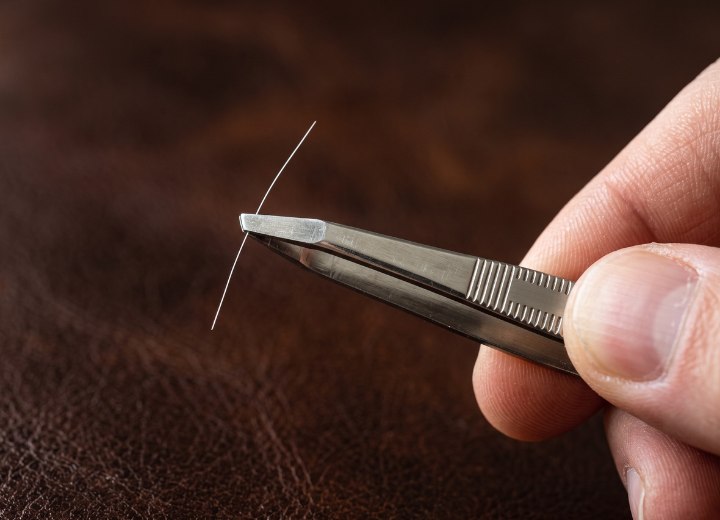
Because tweezing leaves the inner follicle intact, the hair will almost certainly grow back. The timeline for regrowth follows your body's natural hair growth cycle, which varies depending on individual factors like genetics and age.On average, human hair grows at a rate of approximately half an inch (1.25 centimeters) per month. After plucking, the follicle must reset before producing a new hair. Most people begin to see stubble breaking through the skin surface within two to four weeks, though full regrowth can take several months depending on whether the hair was in its active growth phase (anagen) or resting phase (telogen) when plucked.
Long-Term Effects of Repeated Plucking
Repeatedly plucking the same hair forces the follicle through continuous mechanical micro-trauma. Over time, this cumulative stress can damage the dermal papilla, causing returning hairs to grow back finer, lighter, or eventually cease growing altogether due to localized scarring.Frequent tweezing also carries skin risks. Removing hairs forcibly creates micro-injuries and leaves pores exposed, which significantly increases your chances of developing ingrown hairs.
©Hairfinder.com
See also:
How strong are hair roots?
Does pulling gray hairs out cause more to grow back?