Fake Blonde
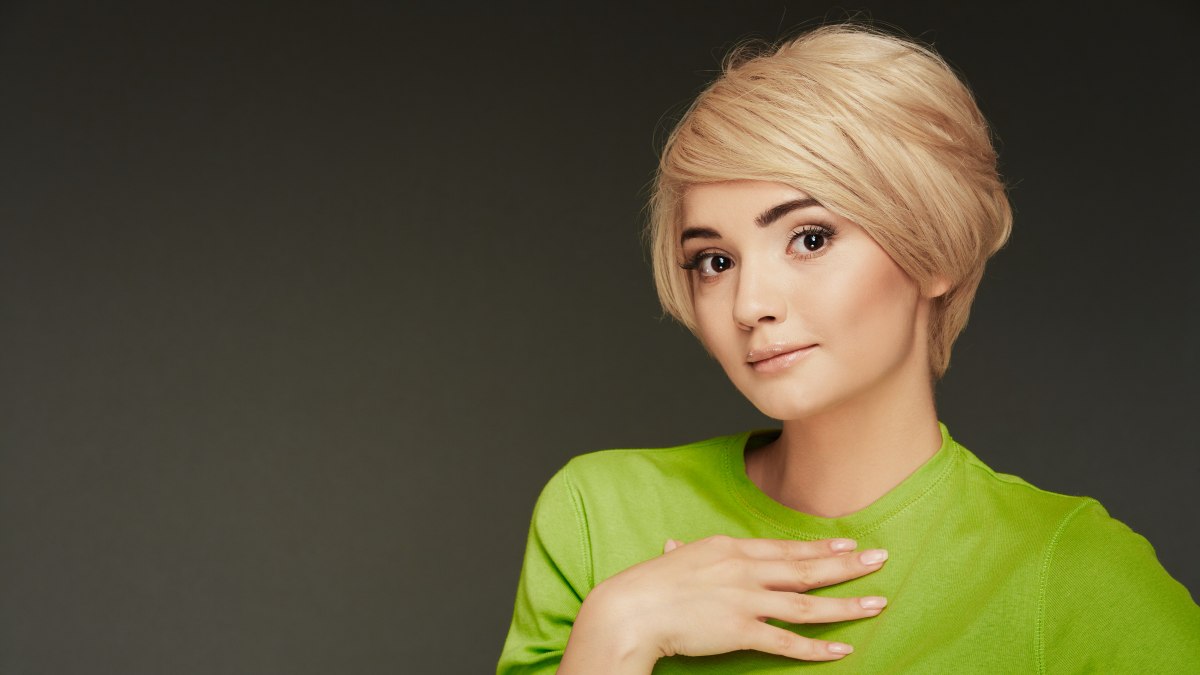
A: Ever since women and men began finding ways to lighten their hair, people have been trying to figure out whether someone is a natural blonde or whether the color came from a bottle. Over the years, countless methods have been passed around, but very few of them hold up.
Many natural blondes have eyebrows that are several shades darker than their scalp hair, due to different melanin concentrations in facial hair vs. scalp hair. Others have blonde hair that darkens with age or appears much lighter during the sunny summer months and darker in the winter. Hair color can also vary from one part of the head to another, so slight differences in shade are perfectly normal.
Likewise, the condition of the hair tells you very little. While bleaching can damage hair if it's done poorly, modern hair color products and techniques have come a long way. Hair that is healthy before coloring and treated by an experienced colorist can end up looking shinier and healthier than naturally blonde hair that has been exposed to years of sun, chlorine, or other damage.
One clue can be how naturally the color suits the person's overall appearance. Hair color is usually accompanied by certain combinations of skin tone, eye color, and facial features. When someone chooses a shade that complements these features, the result can look completely believable. On the other hand, a pale platinum blonde on someone with a very dark skin tone will appear less convincing.
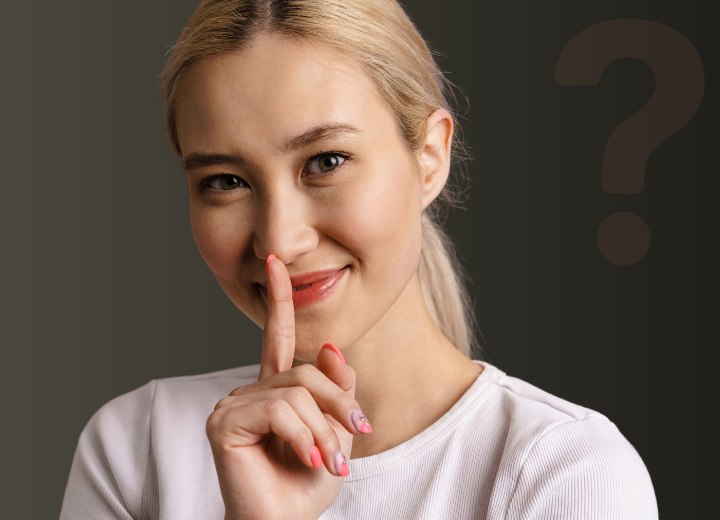
Ethnicity can also provide a hint, although it's far from an absolute rule. Naturally blonde hair is most common among people of Northern and Eastern European ancestry and is relatively rare in other populations. For example, if an East Asian woman has very light golden hair, it's much more likely to be dyed than natural. But, genetics can always surprise you, and naturally occurring exceptions do exist, such as the Indigenous Melanesian people of the Solomon Islands who carry a mutation in the TYRP1 gene.
The truth is that there simply isn't a hard-and-fast rule for identifying artificial hair color. Modern hair dyes are very sophisticated, and talented colorists can produce results that look perfectly natural. Combined with good maintenance and a shade that suits the person's complexion, it can be impossible to tell whether someone was born blonde or simply chose to become one.
©Hairfinder.com
See also:
Hair colors and our complexion
Hair and sun exposure
Cool and warm hair colors