How to Recognize Damaged Hair
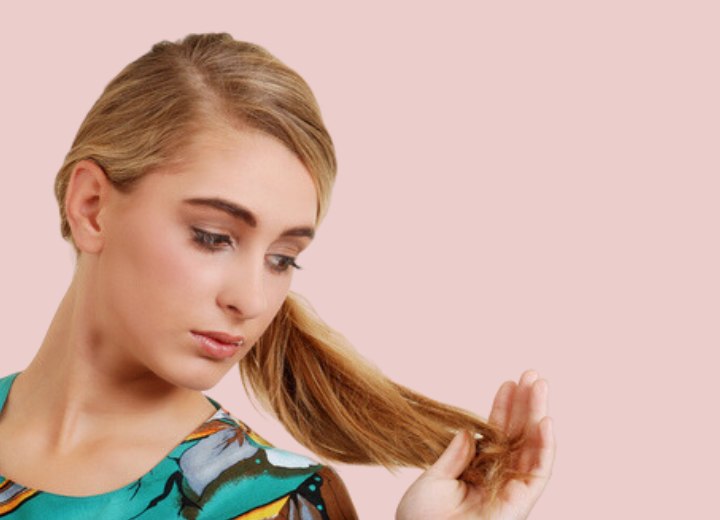
• Rough, uneven, or crunchy texture
• Excessive porosity (absorbing water too quickly)
• Dryness, stiffness, and brittleness to the touch
• Loss of elasticity, a gummy wet feel, and frequent breakage
• Tangling or severe matting when wet
• Micro-signs like tiny white dots along the hair shaft or multi-branched split ends
• Color that fades quickly or absorbs unevenly
Understanding Cuticle and Structural Damage
Rough texture, high porosity, dryness, and brittleness almost always trace back to the same culprit: a compromised cuticle layer.The cuticle is the hair's outer shield, made up of overlapping scales that lie flat when hair is healthy. When those scales get lifted, cracked, or stripped away - whether from heat styling, harsh shampoos, chemical processing, sun exposure, or just friction from daily brushing and wind - the hair loses its ability to hold moisture and reflect light evenly. That's why damaged hair often looks dull even when it's clean.
Restoring some of that smoothness starts with what you put on your hair. Look for conditioners that are moisture-restoring and protein-enriching, and pay attention to pH balance, since alkaline products can cause the cuticle to swell and lift further. If your hair is already showing damage, a deep conditioning treatment once a week is a reasonable place to start, along with a lightweight leave-in conditioner on the days you style your hair.
The Balance of Elasticity and Moisture
Elasticity loss is trickier to spot. When wet, healthy hair can stretch by about 20% to 30% of its resting length and spring back without snapping. Damaged hair loses that stretch, staying stretched out like a wet noodle, or snaps instead.How this damage feels depends heavily on what your hair is lacking:
• The Mushy or Gummy Feel (Severe Protein Loss): When wet, severely compromised hair can feel limp, unusually soft, or even gummy and stretchy like chewing gum. This indicates the internal keratin bonds are deeply degraded, leaving the cortex unable to hold its structure.
• The Crunchy or Wiry Feel (Heat/Moisture Loss): Severe heat damage alters the natural protein structure of the hair, causing it to lose its natural shape or elasticity entirely. This manifests as a dry, stiff, and crunchy feeling even after applying traditional moisturizing conditioners.
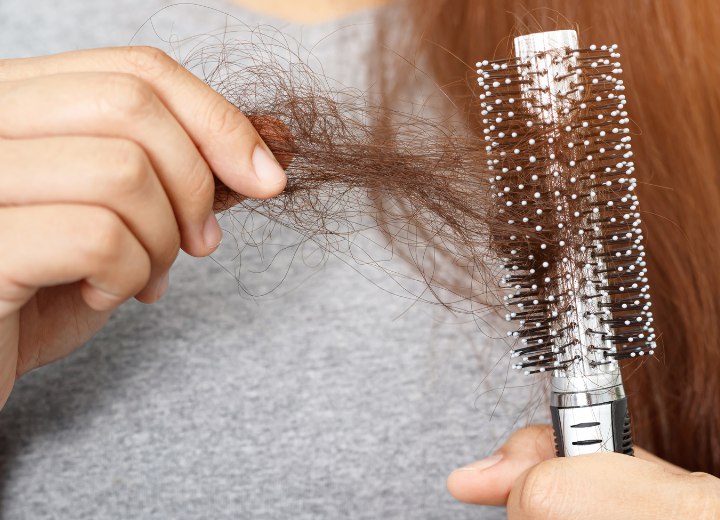
The distinction matters: hairs that come out with a small bulb at the root are shed hairs and part of a normal cycle, while hairs that are broken mid-shaft, with no root attached, point to a structural weakness.
If breakage looks like the issue, a protein-based conditioner or weekly protein treatment can help reinforce the hair shaft. However, be careful not to overuse protein without balancing it with deep moisture, as too much protein can make the hair rigid, stiff, and prone to further snapping.
Visual Micro-Signs of Damage
Before hair completely snaps or splits in two, it often exhibits subtle visual warning signs that tell you a strand is structurally failing:• Tiny White Dots: Tiny white specks near the ends of your hair are often mistaken for lint. Clinically, these are localized fractures (trichorrhexis nodosa) where the cortex has split apart or melted from heat, creating a severe weak point. The hair will eventually snap at this exact spot.
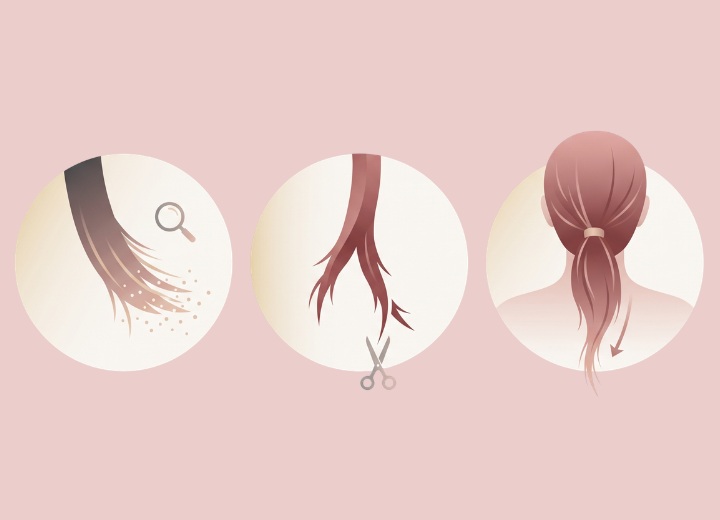
• Advanced Split Ends: Split ends aren't just single "Y" forks. Severe weathering and cuticle loss create multiple, tree-like branches or feathered splits on a single strand.
• Tapered, Thinning Ends: If your ponytail feels thick at the base of your neck but dramatically thins out toward the bottom (without a layered haircut), this "V" or tapered shape points to cumulative, ongoing mid-shaft breakage.
Advanced Porosity and Matting
Matting when wet and rapid, uneven color absorption are signs of more advanced porosity damage. At this stage, the cuticle isn't just lifted, it's significantly worn away, leaving the inner cortex exposed and unable to hold onto color or moisture the way it should.This level of damage takes real commitment to manage: consistent deep conditioning, gentler processing, and more careful heat styling going forward. Some people decide the more practical route is to cut off the damaged length and start fresh with healthy growth, rather than fighting an uphill battle to repair it.
At-Home Hair Damage Tests
If you want to evaluate the current health and porosity of your hair, you can perform these quick, simple diagnostics at home.Test 1: The Slide Test (Cuticle Check)
Close your eyes and pinch a single dry strand of hair near the end between your thumb and index finger. Slide your fingers up the strand toward your scalp (against the grain of growth).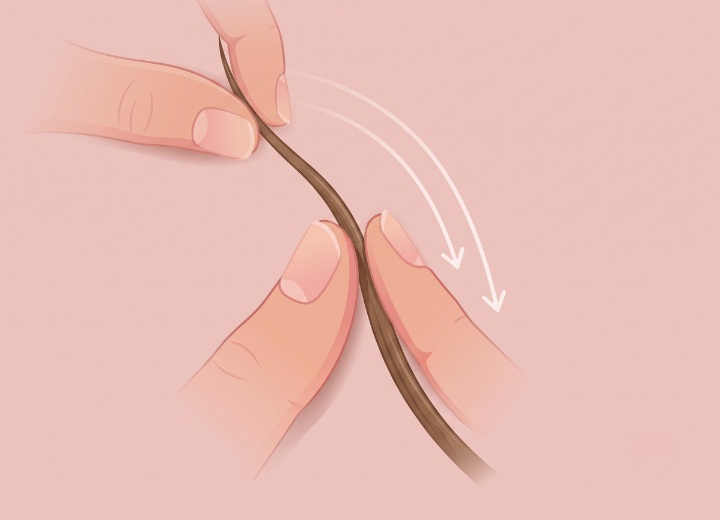
• Healthy Hair: Feels relatively smooth with minor friction.
• Damaged Hair: Feels rough, bumpy, or physically catches your fingers as you slide up, revealing lifted, chipped, or missing cuticle scales.
Test 2: The Spray Bottle Test (Porosity Check)
Mist a small section of clean, dry, product-free hair with water using a fine-mist spray bottle.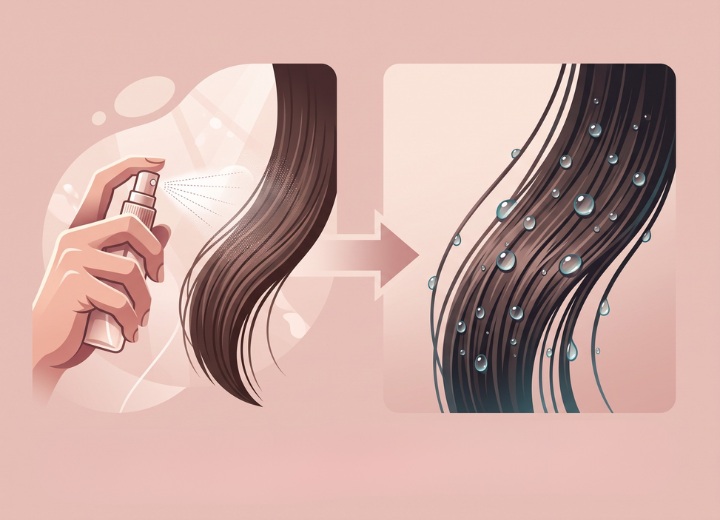
• Low Porosity (Intact Cuticle): The water beads up like water droplets on a freshly waxed car and sits on the surface of the hair before slowly absorbing.
• Normal Porosity (Healthy): The droplets rest briefly on the hair, then absorb evenly within a minute or two.
• High Porosity (Damaged Cuticle): The water is instantly sucked into the hair shaft like a dry sponge, leaving no visible surface droplets.
Test 3: The Drying-Time Test (Cortex Hydration Check)
Pay attention to how your hair behaves as it air-dries naturally after washing.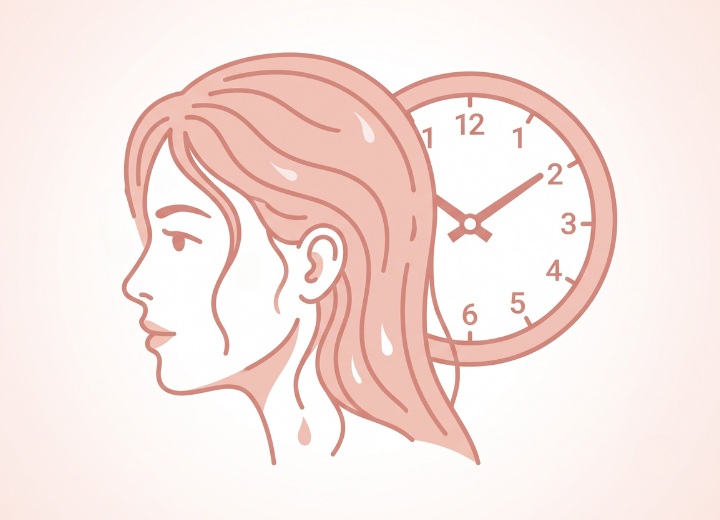
• Healthy Hair: Dries in a reasonable, consistent timeframe because the intact cuticle prevents the inner cortex from holding onto excess, water-logged weight.
• High Porosity (Damaged): High-porosity hair dries unusually fast. Because the protective cuticle layer is raised or missing, water can penetrate the hair easily. But it evaporates just as quickly. It has no barrier to trap the moisture inside.
Conversely, low-porosity hair takes a very long time to dry. Once water finally manages to penetrate the tightly sealed, flat cuticle scales, those same scales lock the moisture in, making it incredibly difficult for the water to evaporate.
It helps to remember that hair, once it grows past the scalp, is no longer living tissue. It has no capacity to heal itself, in the same way the white tips of your fingernails can't heal once they crack. So it's worth being skeptical of products that promise to repair or reverse damage.
What conditioners and treatments actually do is smooth the surface, temporarily patch weak spots, and slow down further wear. They can make hair look and feel healthier, but they can't undo structural damage that's already happened. The most reliable strategy, by far, is prevention: gentler styling habits, protective products, and paying attention before the damage becomes visible.
©Hairfinder.com
See also: Damaged Hair Q&A