1990s Hairstyles
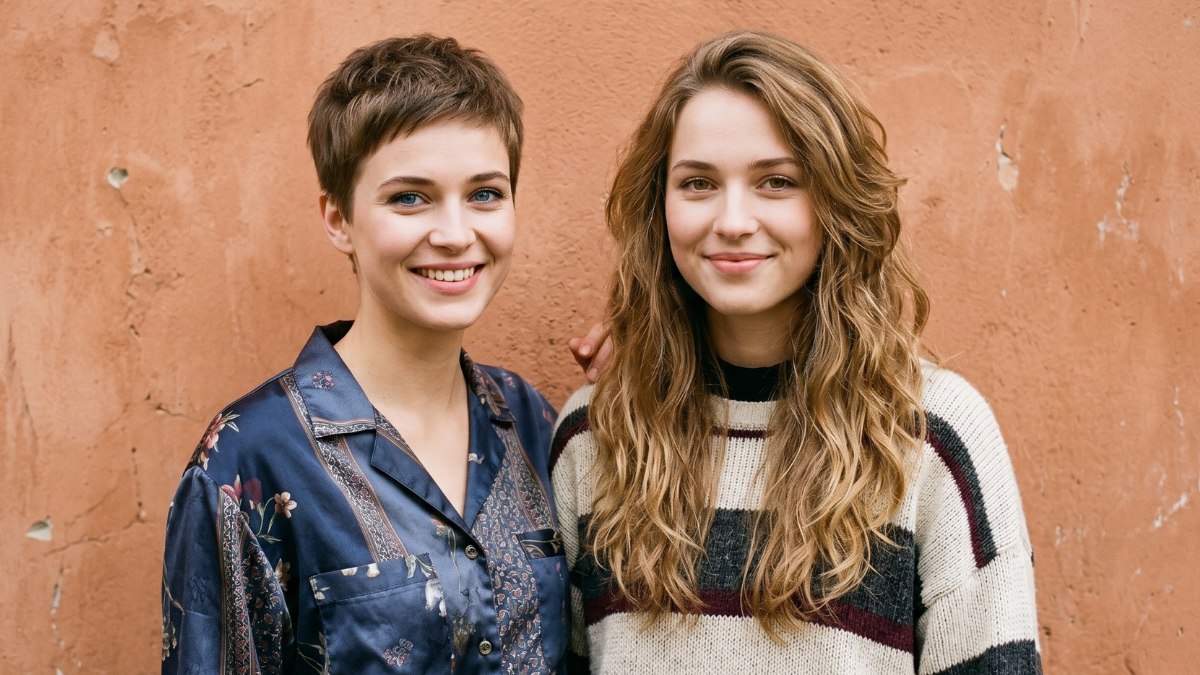
There is one thing that stands out more than almost anything else from the 1990s: the hair. The nineties were a golden age of hairstyles and a time when women everywhere were experimenting, reinventing, and expressing themselves through their locks like never before. The nineties gave us everything from pin-straight hair to wild curls.
We are going to take you on a tour through every major hairstyle that women loved in the 1990s: what the style looked like, why women adored it, and the moments that made it famous. Whether you lived through those years or you are discovering them for the first time, get ready to fall in love with nineties hair all over again!
The Rachel
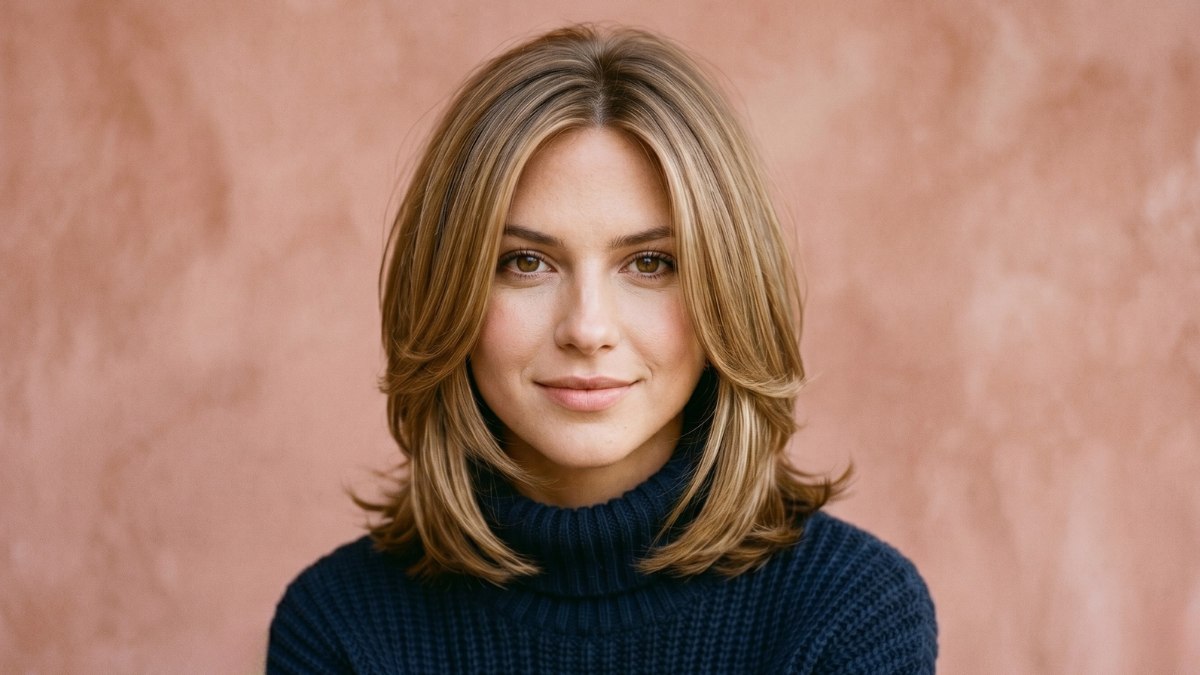
If there is one hairstyle that defines the entire 1990s, it is, without question, "The Rachel." Named after the character Rachel Green from the popular television series Friends, this cut became a sensation when actress Jennifer Aniston debuted it in 1994. Within weeks, women were walking into salons, asking their stylists for "the Rachel."
The Rachel was a medium-length cut that sat just at the shoulders, featuring lots of layers and soft, face-framing pieces. The most distinctive element was the way those layers were styled: blown out with a round brush to create a voluminous, feathery effect, with the ends flicking outward or curling slightly inward. Highlights in golden and honey tones were usually scattered throughout the hair.
What made the Rachel so irresistible was the way it managed to look effortless and polished at the same time. It had volume without looking overdone, structure without feeling stiff, and glamour without being unapproachable. Hairdressers have said in interviews that the late 1990s saw more requests for "the Rachel" than for any other hairstyle.
Poker-Straight Hair
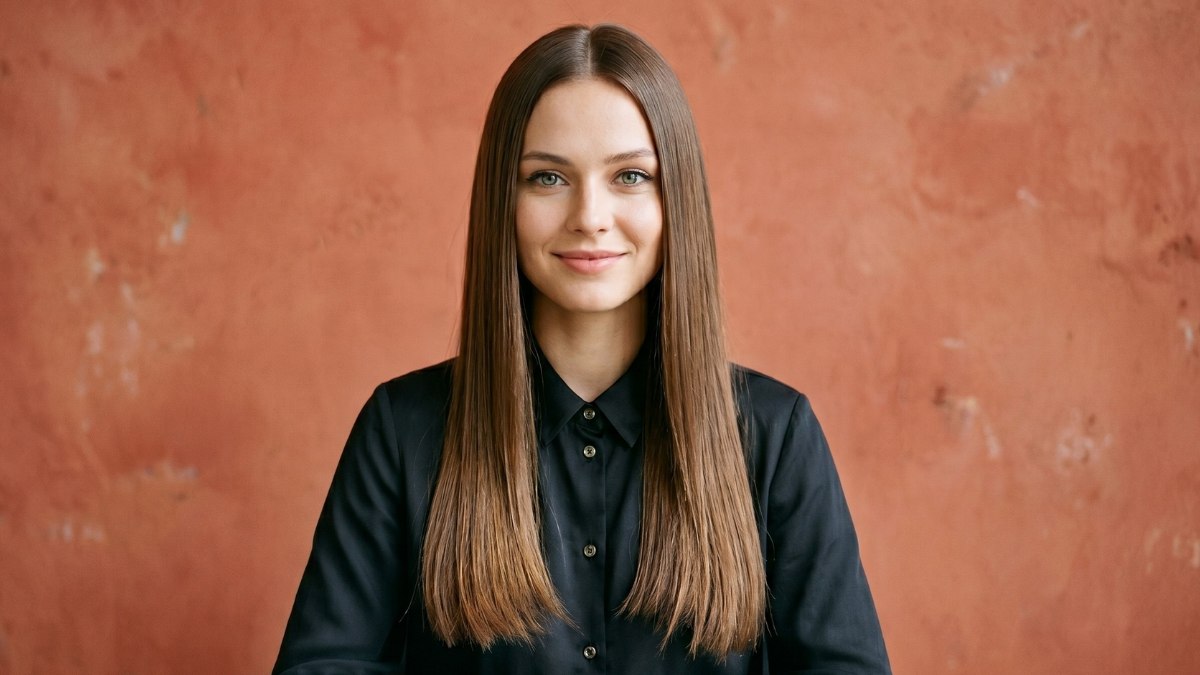
Towards the middle and the end of the 1990s, a very different kind of beauty took over: smooth and perfectly straight hair. Where the early nineties were about volume and bounce, the latter half of the decade was all about shine and precision. Straight hair became a symbol of sophistication, and women everywhere were reaching for their flat irons to achieve it.
Part of what drove this trend was technology. The late 1990s saw the first generation of truly effective ceramic flat irons become widely available. Before this, straightening hair properly was a complicated process. Suddenly, anyone could achieve mirror-smooth results at home, and women embraced that freedom.
The style was often worn with a center parting, which added a sense of symmetry and elegance. The secret to super-glossy straight hair was a lightweight serum applied to damp strands before blow-drying, followed by a shine spray once you finished flat-ironing.
Crimped Hair
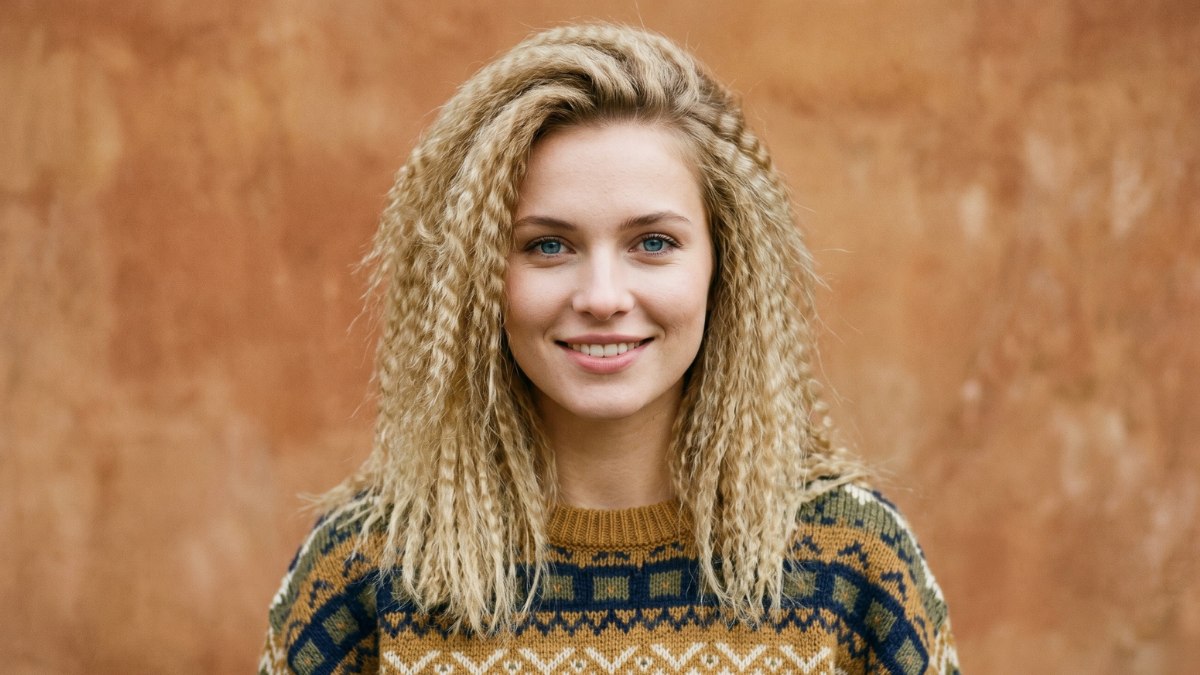
If you grew up in the early 1990s, you almost certainly owned a crimping iron or desperately wanted one. Crimped hair was one of the most distinctive looks of the era, producing a zig-zag, accordion-like texture that added volume and a playful visual effect.
Crimping had actually begun creeping into fashion in the late 1980s, but it reached its peak popularity in the early 1990s. It was the go-to party style for teenage girls and young women. Pop artists were particularly fond of the look because it had an energy and a youthfulness that matched the upbeat music of the time.
The beauty of crimped hair was its accessibility. The crimping iron was inexpensive, easy to use, and gave results that looked impressive without requiring any special skill. You could crimp your whole head of hair for maximum impact, or just the lower half for a more subtle effect.
The High Ponytail
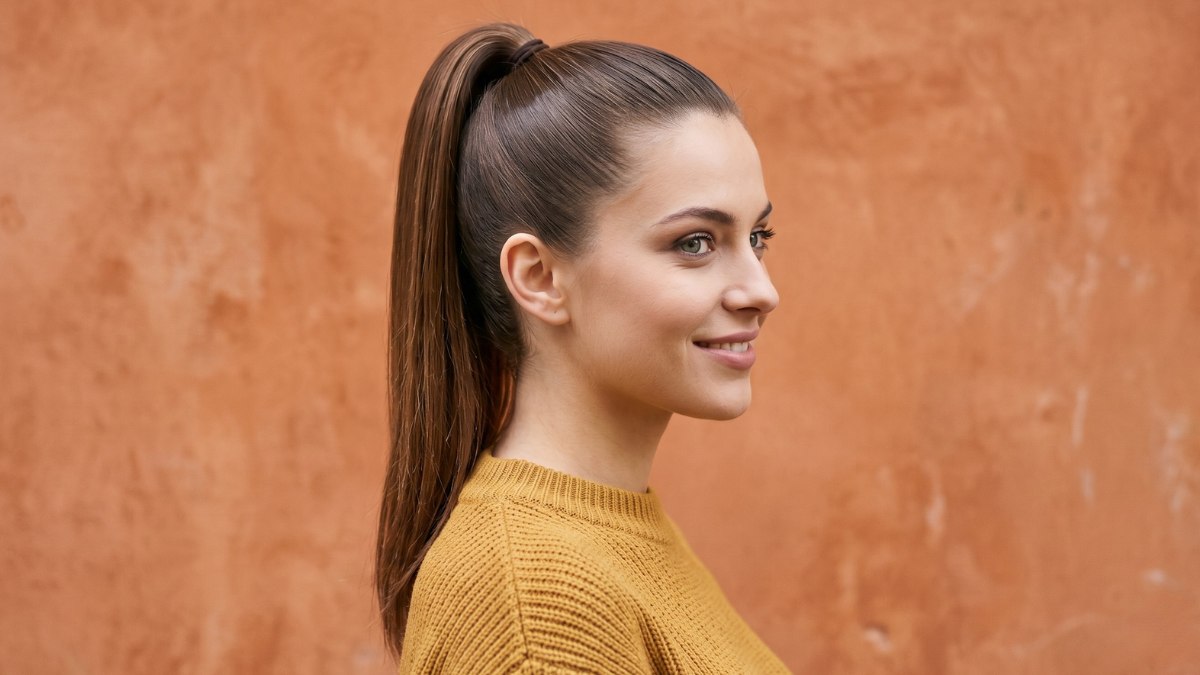
Few hairstyles are as timeless as the ponytail, but the 1990s gave it a particular energy. The high ponytail - pulled right to the top of the head and secured tightly - was everywhere in the nineties, and it was loved for being simultaneously sporty, glamorous, and effortless.
What made the nineties ponytail special was the way it was styled. It wasn't just any ponytail. It was a sleek, smooth, pulled-back style where every strand was combed perfectly into place. Women would use gel, hairspray, and a fine-tooth comb to ensure there wasn't a single flyaway hair in sight.
Sometimes a small section of hair was wrapped around the base of the ponytail to hide the elastic band. Scrunchies - the fabric-covered hair elastics in every color and pattern imaginable - were the essential accessory for the nineties ponytail. A satin or velvet scrunchie was luxurious, and the color of your scrunchie was very important.
The Bob
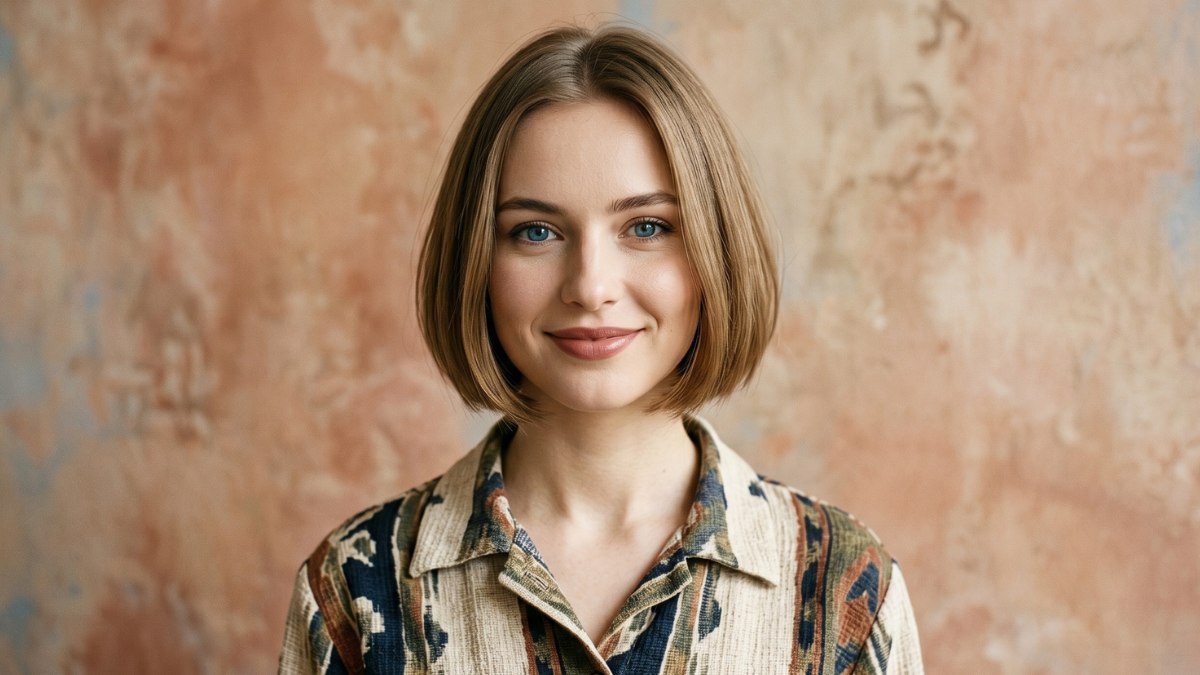
The bob haircut has been a staple of women's hairstyling since the 1920s, but the 1990s gave it a completely new identity. The nineties bob was sharper and more structured than its predecessors, and it became one of the most versatile and widely loved short hairstyles of the decade.
There were several variations of the nineties bob, each with its own personality. The blunt bob was sleek and cut in a perfectly straight line just above or at the chin. The asymmetrical bob, which was longer on one side than the other, was edgier and more avant-garde, favored by those with a taste for something a little unexpected. The layered bob was all about texture.
The bob worked for all ages, all hair types, and all occasions, which explains its enduring popularity not just in the nineties but right up to the present day.
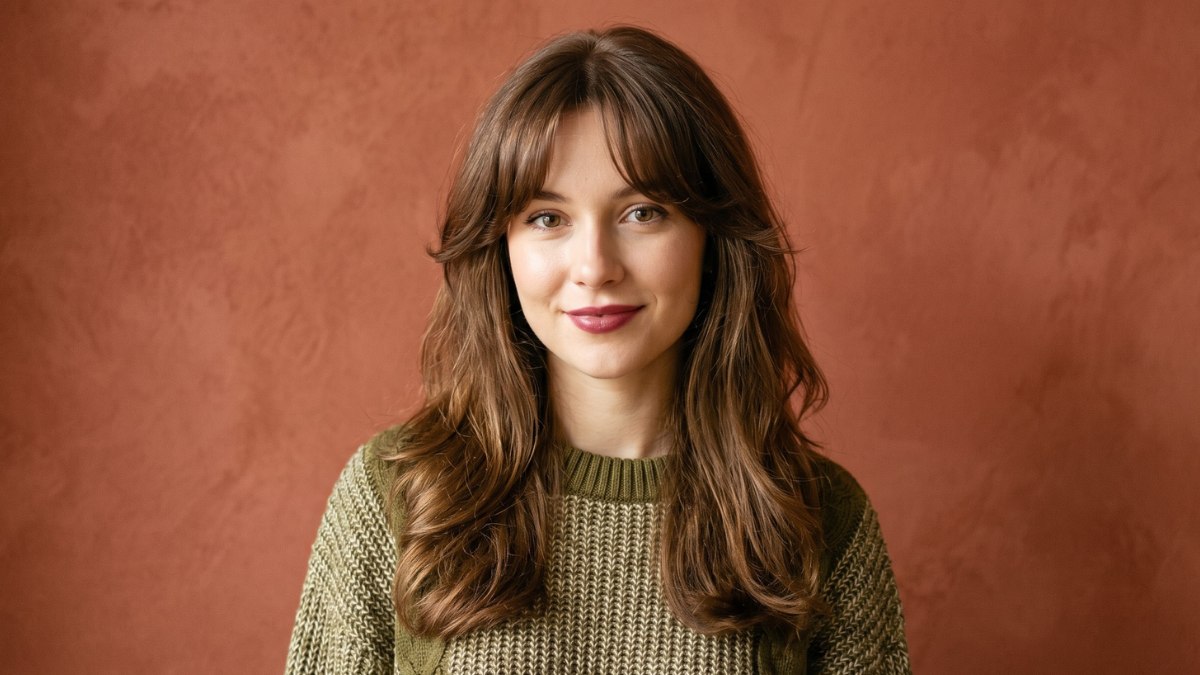
Long before curtain bangs made their return in the 2020s, they were the defining fringe style of the 1990s. Soft, face-framing, and parted down the middle so that they fall to either side like a pair of curtains, this type of fringe was everywhere in the decade.
What made curtain bangs so appealing was that they softened the face. They were easy to grow out, easy to style, and worked with both long and medium-length hair. For women with high foreheads, curtain bangs reduced the appearance of the forehead while still allowing the natural part of the hair to be visible.
To style them properly, the bangs needed to be blow-dried forward and then swept gently to the sides while still warm, holding the shape in place for a few moments. A small amount of serum or light-hold product could be used to keep them in place, though the ideal look was always relaxed rather than rigid.
Space Buns

If you needed a style that was fun and a bit rebellious, space buns were the answer. This look involved dividing the hair into two sections and wrapping each into a bun placed high on either side of the head: one on each side, like a pair of little knots sitting high above the ears.
Space buns had a slightly futuristic, cartoon-like appeal, which was in keeping with the spirit of the nineties. The decade was filled with an almost giddy sense of possibility: the internet was new, pop culture was exploding, and young women were having fun with fashion in ways that felt liberating and joyful. Space buns perfectly captured that energy.
The style was popular at music festivals, concerts, and dance events, where it fit in with the colorful aesthetic of the rave and alternative scenes. Women often accessorized space buns with glitter, or with small flowers or pins tucked into the buns, or let loose tendrils fall forward to frame the face.
The Grunge Look
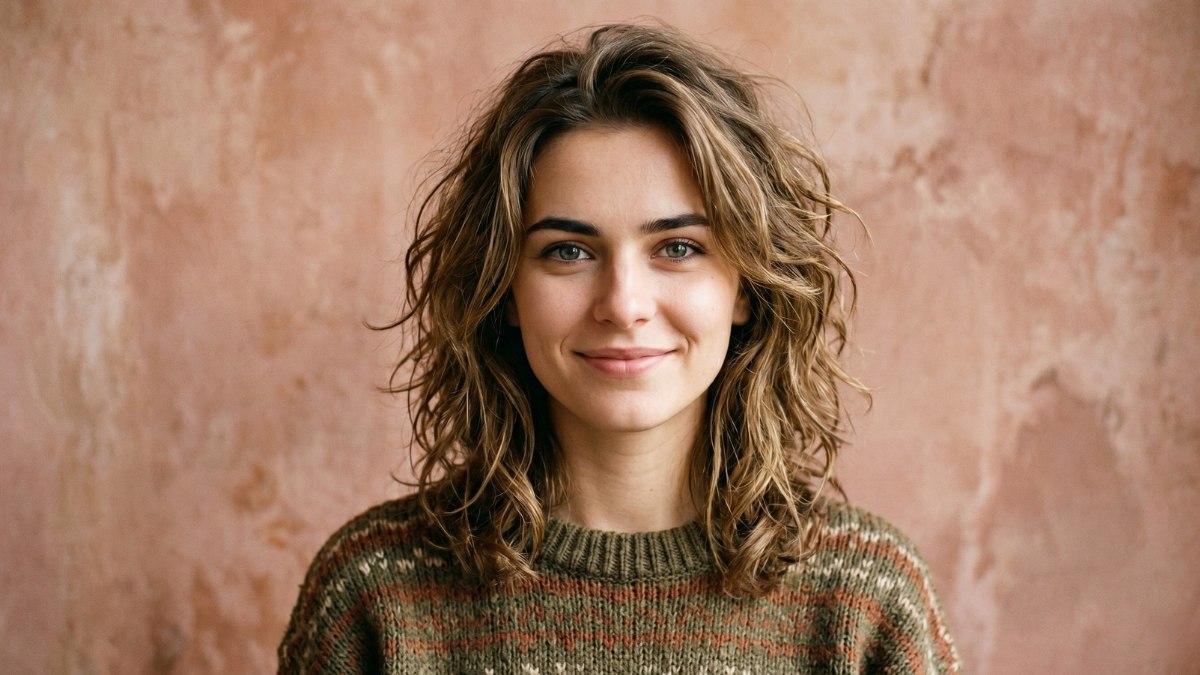
Not every woman in the nineties wanted to spend an hour in front of the mirror perfecting her hair. For a significant number of women, the whole point was to look as though you hadn't tried at all. The message was that real beauty does not require effort.
Grunge hair was long and deliberately slightly messy, and it was often worn in loose, undone waves. The kind of waves that happen when you sleep on your hair slightly damp, rather than waves carefully created with a curling iron. Faded color, split ends, and an overall air of nonchalance were all part of the look.
In practical terms, grunge hair was maintained with minimal products: perhaps a small amount of texturizing spray or sea salt spray to encourage waves, and very little else. The irony, of course, is that looking effortless often required quite a bit of thought and skill to achieve.
The Pixie Cut
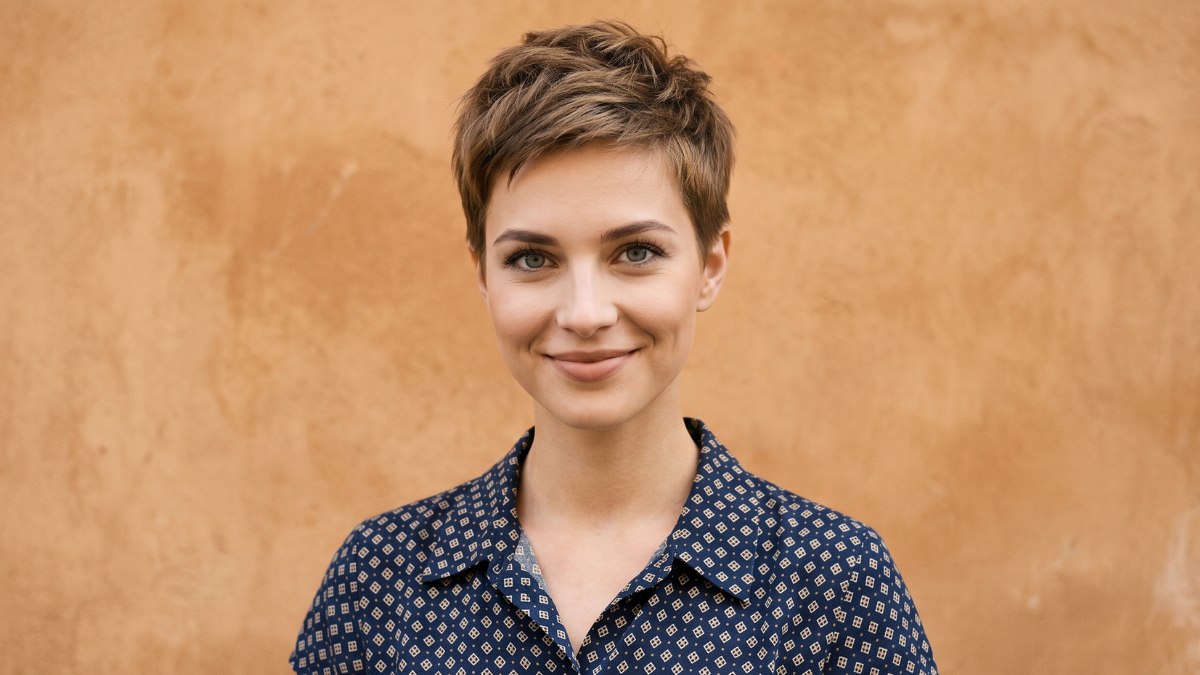
Not everyone in the nineties wanted long hair. For the more adventurous woman, the pixie cut was the ultimate statement of self-confidence. This dramatically short hairstyle required a kind of boldness to wear, and it rewarded that boldness with a look that was striking, modern, and elegant.
The pixie cut of the nineties was typically cropped close at the sides and back, with slightly more length left on top. It could be worn sleek and smooth or tousled and textured. Either way, it demanded attention.
The pixie had enormous practical appeal. It was low maintenance, required minimal drying time, and - unlike many other styles of the decade - looked just as good on the second or third day after washing as it did on the first.
Perms and Spiral Curls
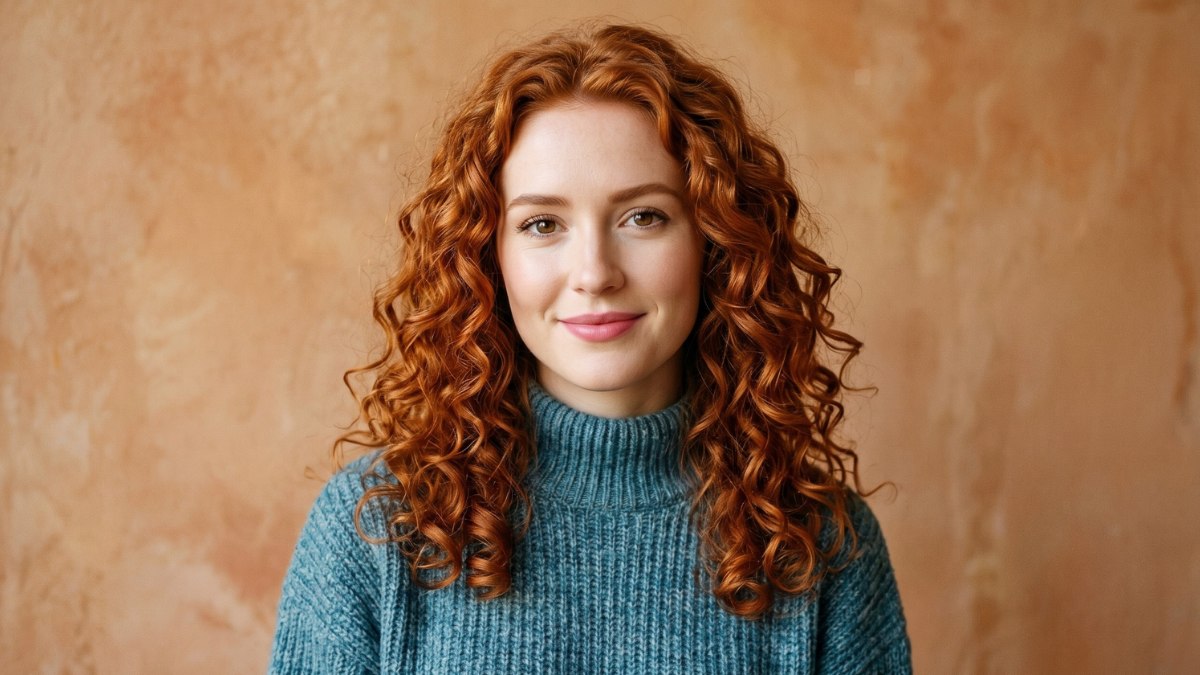
The 1980s were the decade of the big, bouncy perm, and while the style had softened somewhat by the time the nineties arrived, it did not disappear entirely. Early nineties perms were less frizzy and more structured, favoring soft spirals and defined curls over the wild, frizzy volume of the previous decade.
Spiral perms, in particular, were extremely popular in the early nineties. These created long, corkscrew-shaped curls that hung beautifully when the hair was left loose. Women who had naturally straight or slightly wavy hair loved the transformation a spiral perm could provide. Suddenly they had the romantic curls that many of them had always dreamed of.
By the mid-nineties, as sleeker, straighter hairstyles began to become popular, perms started to fall somewhat out of fashion. However, for many women - particularly those with very flat, fine hair - the perm remained a beloved and frequently requested salon treatment throughout the decade.
The Decade That Changed Hair
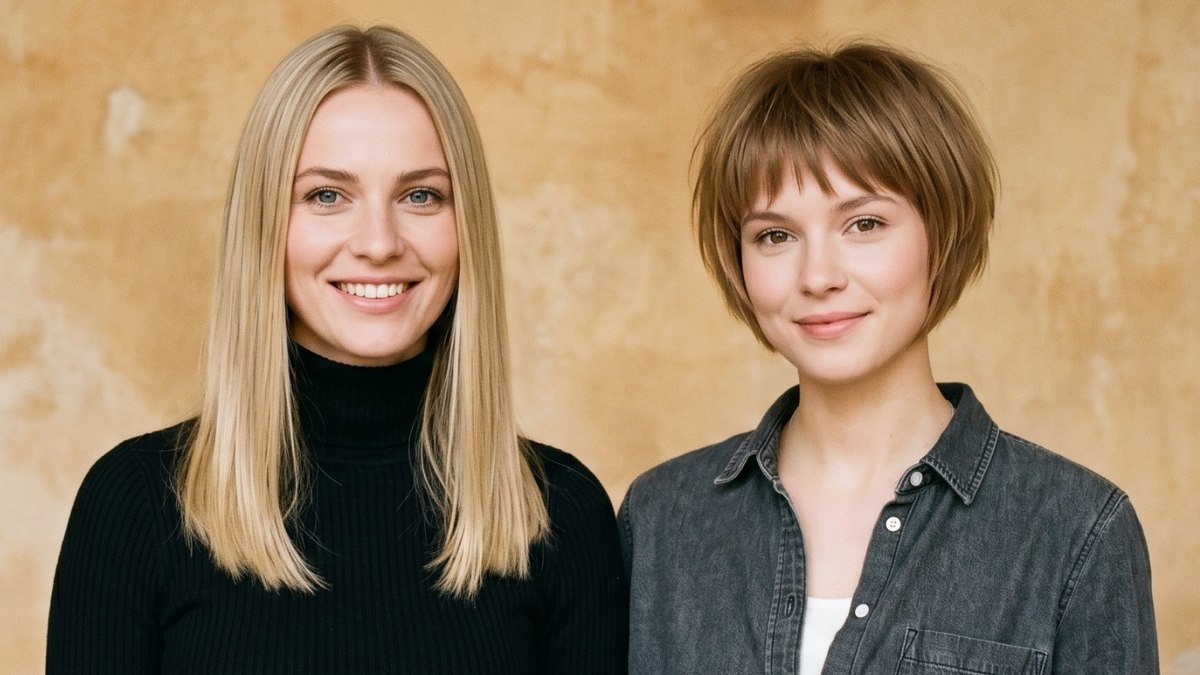
Looking back at the hairstyles of the 1990s, what strikes you most is the sheer range of what women were doing with their hair and the confidence with which they were doing it. The nineties gave women an extraordinary number of choices, and women took full advantage of them.
But nineties hair tells a broader story. It reflects a decade in which women were claiming more space for themselves. The hairstyles they chose, whether conventional or rebellious, polished or casual, were expressions of who they were and what they valued.
The legacy of nineties hairstyles is also visible in today’s hair fashion. Curtain bangs, the pixie cut, the bob, and the sleek straight blowout have made comebacks in recent years, embraced by a new generation who recognize their appeal and, perhaps, feel the same yearning for self-expression that drove the original trends.
©Hairfinder.com