Hair Pulled Out
• Whether or not the hair follicles were physically damaged when the hair was pulled out.
• The rate at which your hair normally grows.
When hair is forcefully pulled out by the root, the follicle is shocked out of its active growth phase and pushed into a resting phase. Before it can grow a new strand, the follicle has to rest, recover, and completely rebuild a new hair bulb. If the follicle remains healthy, this happens naturally over time. However, if the follicle was severely traumatized, it may produce hair much more slowly.
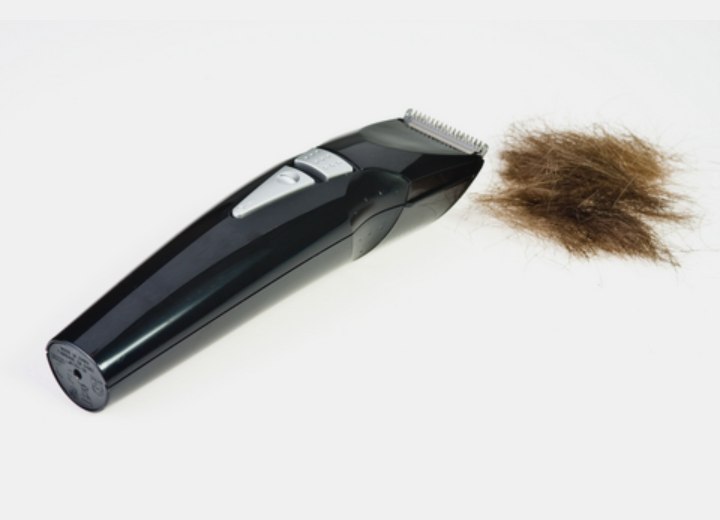
The reason plucking is used as a method of removing unwanted hair is that repeatedly pulling hairs from the root over months or years can eventually damage the follicle enough to prevent future growth. A single accidental incident with an electric shaver is highly unlikely to cause permanent hair loss unless it caused a deep, scarring tear to the skin.
The average rate of hair growth is about 1/2 inch (1.25 cm) per month. Your own growth rate may be slightly faster or slower depending on your genetics, age, overall health, and diet. It's also vital to remember that hair doesn't begin growing back immediately after being pulled out. Because of the required resting and recovery phase, it typically takes 2 to 4 months before a new hair even becomes visible above the scalp line.
Since it's only been about a month, it is completely normal for the patch to still be noticeable. Even if new hairs have structurally started growing beneath the surface, they take time to break through the skin.
While a typical follicle resets in a few months, a highly traumatized follicle can sometimes take up to 6 months to wake up and show visible signs of life. If you still haven't seen any signs of new hair growth after 6 months, or if you notice visible scarring on the skin, the chances of permanent damage become more likely.
Even if the area looks completely smooth right now - which is normal when a follicle is in its resting state - it is worth having it examined by a dermatologist if you see no progress after a few more months. A dermatologist can use a specialized magnifying tool to look beneath the surface, determine if the follicles are still active, and recommend targeted treatments to help encourage regrowth.
©Hairfinder.com
See also:
Is there any medication that can be used to help restore damaged follicles?
Will hair that got burned close to the scalp grow back?
How can I accelerate my hair growth?