Women’s Thinning Hair and Age

A: Hair thinning is a common experience for many women, but it does not begin at a specific age for everyone. It is normal to shed about 50 to 100 hairs per day as part of the normal hair growth cycle. Normal shedding, however, is different from ongoing, long-term hair loss.
Hereditary Thinning
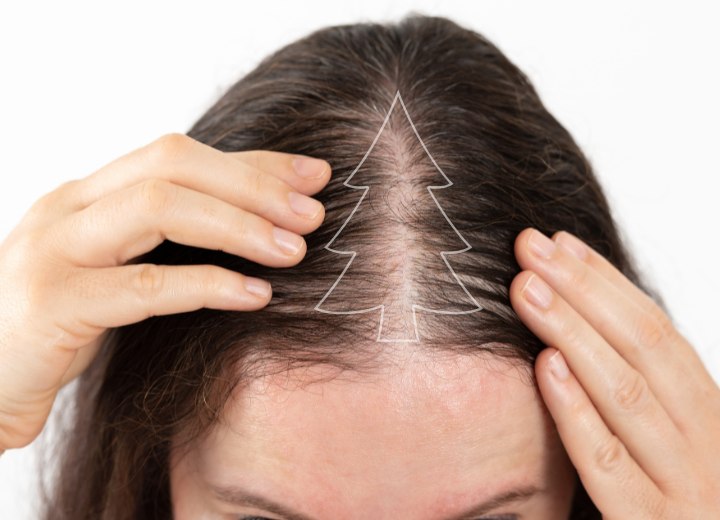
The most common form of hereditary hair thinning in women is known as female pattern hair loss, also called female androgenetic alopecia. It usually causes gradual, diffuse thinning across the top and crown of the head. It often makes the middle part line look wider and is sometimes referred to as a “Christmas tree” pattern. The frontal hairline usually stays intact, although patterns vary from person to person.Genetics plays an important role, with contributions from both sides of the family. Looking at the hair loss patterns of parents, grandparents, aunts, uncles, and siblings can give you an idea of your personal risk. However, family history cannot reliably predict the exact age at which thinning will begin, and some women experience hair loss even if no close relatives have it.
Evaluation and Treatment
If you notice persistent thinning, it is a good idea to consult a dermatologist or trichologist to identify the cause and discuss treatment options. Topical minoxidil is one of the possible options. Results vary from person to person, and it works best to preserve existing hair rather than bringing back hair that is already gone. Early assessment can help find suitable options before hair loss progresses.Sudden or excessive shedding can have causes other than hereditary hair loss. Common triggers include thyroid disorders (both underactive and overactive thyroid), iron deficiency or anemia, sudden weight loss, nutritional deficiencies, major mental stress, severe illness, recent childbirth, and certain medications. Another non-hereditary cause is traction alopecia, which results from constant pulling on hair roots due to tight hairstyles like braids, ponytails, or extensions.
A very common cause of sudden heavy hair shedding is telogen effluvium. This happens when a large number of hairs are pushed into their resting phase all at once, leading to noticeable shedding two to three months after a stressful event. Telogen effluvium is usually temporary. Once the underlying trigger is addressed, shedding slows down over time, but seeing regrowth may take six to twelve months because hair grows so slowly.
This answer is intended for informational purposes only. For medical advice or a diagnosis, contact a doctor.
©Hairfinder.com
See also:
The difference between fine hair and thin hair
Are bob hairstyles a good idea when you have thin hair?
Is it true that shaving your head makes your hair thicker?