Reddish Face and Hair Color

A: First of all, you will want to avoid cool tones and those with heavy green, blue, or drab base colors (such as harsh ash blondes and icy browns). While green color-corrects red in makeup, placing ash or green-tinted hair right against flushed skin creates a stark tone conflict that only emphasizes facial redness.
Lightness and Leveling
Make sure to avoid colors that are very dark or extremely light. As a general rule, try to stay within two to three levels of your natural color.If your natural color is dark brown, you may see a lessening of facial redness by lightening the color slightly with a neutral or golden-beige base. Going darker (especially jet black) will make your skin look redder by washing out your base tone and creating high contrast.
Conversely, if you lighten your hair too much (like a pale platinum) the extreme contrast will make your complexion look even pinker and more inflamed.
Finding Your Natural Base Color
Also, you want to make sure any color choice works with your hair's natural starting point. Step outside into natural sunlight with a hand mirror to inspect your hair's base color. The general tone of the glinting light will reveal your base color, usually falling into one of these categories: golden, yellow-orange, orange, red, red-orange, blue, violet, drab (green), or neutral.Once you've identified your natural base, picking a flattering shade gets much easier:
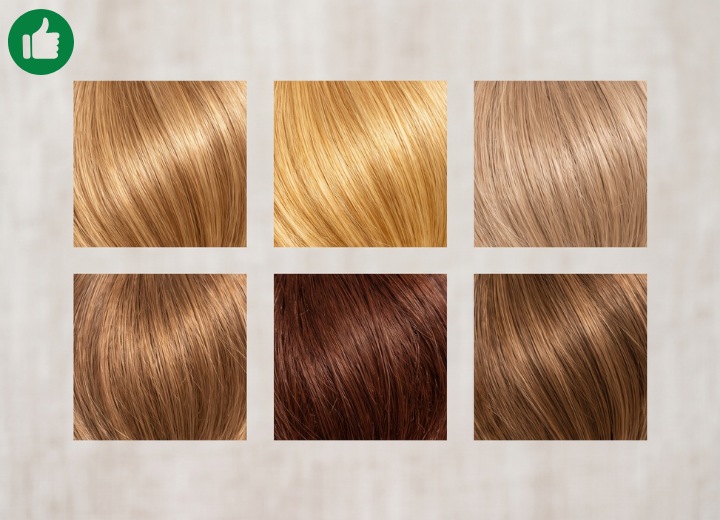
• Flattering Shades: Soft warm hair colors balance facial redness by creating a harmonious frame. Honey blonde, golden blonde, warm beige blonde, light golden brown, chestnut, and soft caramel are excellent choices.
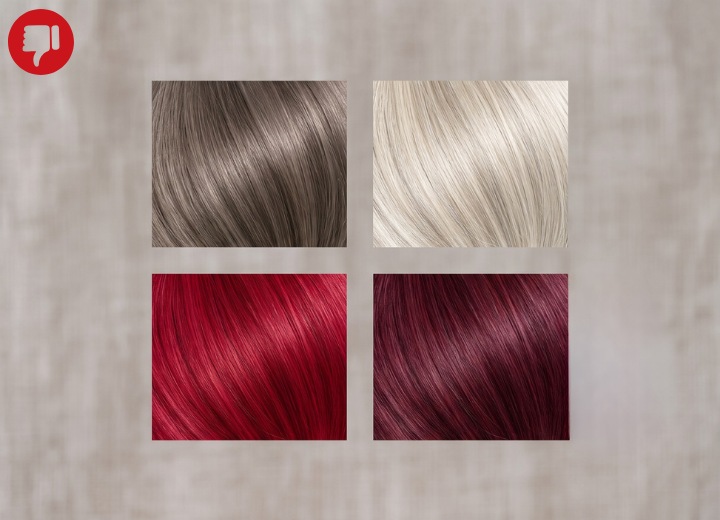
• Shades to Avoid: Extreme ash shades, smoky charcoal browns, cool platinum, and vibrant red or violet-red dyes.
Professional Coloring & Highlights
If you color your hair professionally, ask your stylist for a custom formula with warm or neutral undertones rather than cool ash. Even a slight adjustment in the underlying pigment makes a noticeable difference. Switching from a cool ash brown to a neutral or golden brown often gives the skin an instantly calmer, healthier look.Highlights are another great option if you don't want an all-over change. Soft golden or caramel highlights add warmth near your face without altering your base color drastically. Just steer clear of overly icy or silvery highlights.
Considerations and Testing
Keep in mind that hair color works alongside your eye color and skin depth. If your facial redness is due to rosacea or skin sensitivity, a complementary shade softens the appearance significantly, even if it cannot eliminate it entirely.Before committing to permanent dye, test your intended shade using a color-depositing conditioner, temporary gloss, or a virtual try-on app to preview how the undertones interact with your skin tone in real light.
©Hairfinder.com
See also:
Cool and warm hair tones
Hair colors and our color palette
How to match hair color to your skin tone