Hair Color & Skin Tone
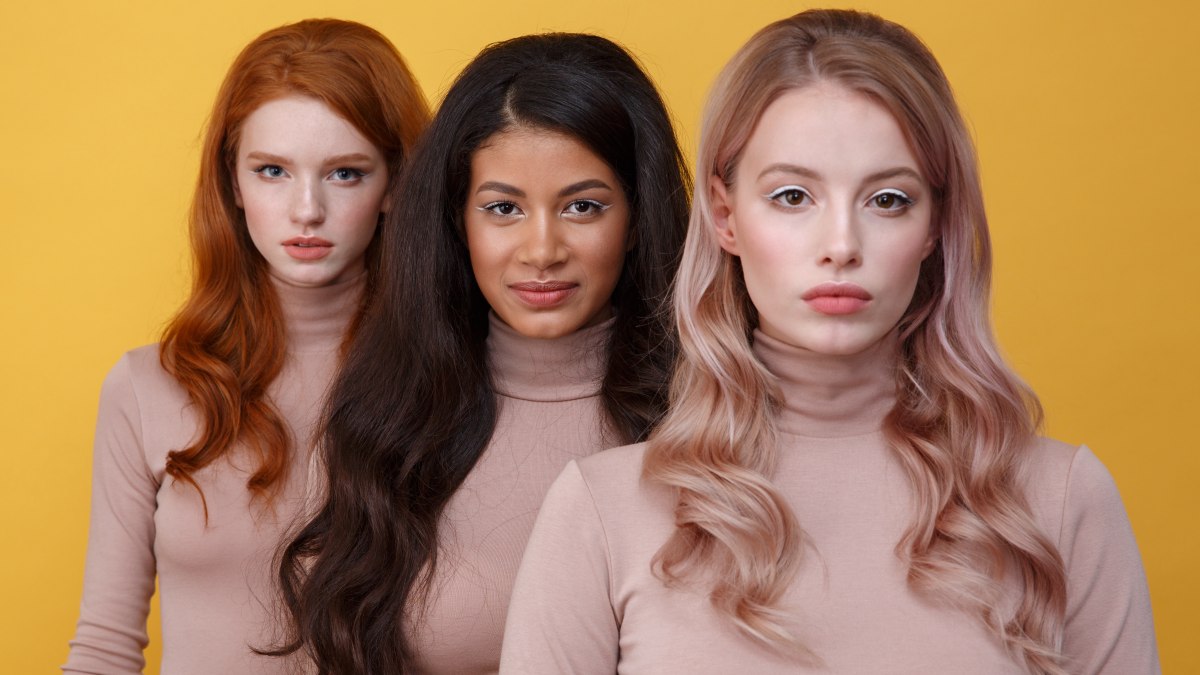
A: Yes, actually, there are basic rules to allow you to match your hair color choices to your skin tone. It all comes down to identifying your undertone: warm, cool, or neutral.
The Jewelry Test
Today, we use a simpler approach to help narrow down undertones: using gold and silver to test your complexion. Place a piece of gold jewelry and a piece of silver jewelry against your skin (without makeup). Whichever metal looks more harmonious and makes your skin look radiant (rather than washed out or dull) indicates your type.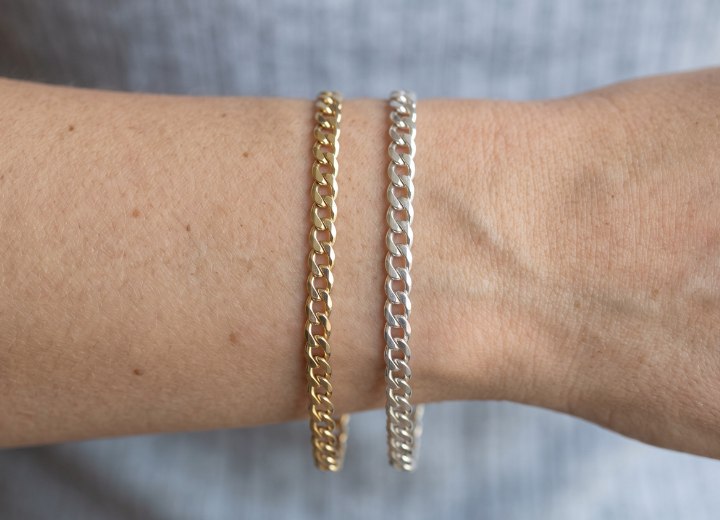
• Gold types have warm undertones. In hair color, these skin tones are best complemented by shades with warm bases: golden, red-orange, auburn, chestnut, and warm honey.
• Silver types have cool undertones. For these skin tones, cool hair colors work best: shades with ash (green/gray), violet, blue, or neutral bases (like icy blonde, cool ash brown, or deep espresso).
• Neutral types flatter both metals equally and can wear almost any color along the spectrum.
Balancing Undertones and Hair Depth
Both metallic types offer color options across the full range of light and dark levels, from the deepest blacks to the palest platinum blondes.The key is finding the right undertone, though you will also want to be careful when making dramatic changes to the lightness or darkness level of your hair. Hairdressers use a Level System from 1 to 10 to measure depth, where Level 1 is jet black and Level 10 is platinum blonde.
If you are naturally a dark brown (Level 2 or 3), suddenly lifting to a pale blonde (Level 9 or 10) can look unnatural against your skin and cause significant chemical damage. It is usually best to stay within 2 to 4 levels of your natural shade to achieve a flattering, healthy result.
The Vein Test
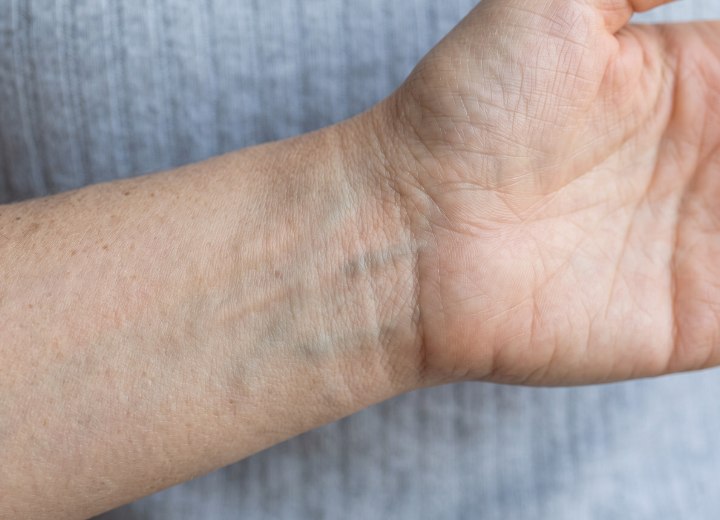
If you are unsure of your undertone using the jewelry test, look at the veins on the inside of your wrist in natural daylight:• Greenish veins indicate warm undertones.
• Bluish or purple veins indicate cool undertones.
• Veins that match your skin or are hard to distinguish suggest neutral undertones.
Of course, it is always best to consult a professional hair colorist who is trained to evaluate both your natural skin tone and hair condition. However, if you prefer to color your hair at home, keeping these rules in mind will help you pick a flattering shade every time.
©hairfinder.com
See also:
Hair color choices and application techniques
The difference between warm and cold hair colors
The 10 different levels for hair colors