Head Wounds and Hair Growth
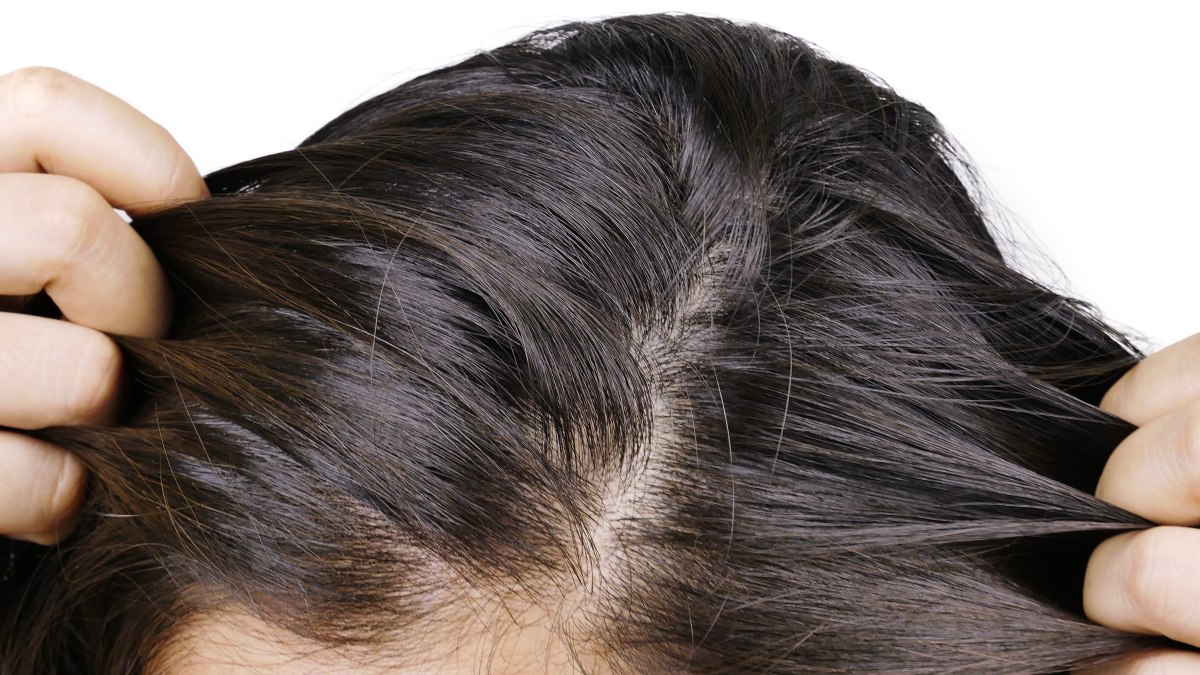
A: I'm sorry to say that, based on what you've described, you are unlikely to find a home remedy or over-the-counter product that can restore hair growth in those areas. I presume that when you say "wounds," you are referring to an injury that left scar tissue on your scalp and permanently damaged the hair follicles.
If these patches of scalp are incapable of growing hair, there isn't any homemade formula, or herbal treatment that can force new hair to grow there to my knowledge. I would be very cautious of anyone promising a miracle cure for hair growth on scar tissue.
In some cases, the hair surrounding a scar may become finer over time, making the bald patches more noticeable. Treatments that improve the health of existing hair may help the surrounding hair look fuller, but they will not create new follicles where they no longer exist.
As a hair stylist, I am not licensed to offer medical advice, so I cannot diagnose your condition or recommend medical treatment. However, based on your description, this appears to be an issue that is most likely to require evaluation by a doctor rather than a cosmetic solution.
I would recommend speaking with your doctor or, even better, a dermatologist who specializes in hair and scalp disorders. They can examine the affected areas to determine whether the follicles are permanently damaged or if any viable follicles remain. Depending on the size and location of the scars, they may discuss treatment options.
This answer is intended for informational purposes only. For medical advice or a diagnosis, contact a doctor.
©Hairfinder.com
See also:
Hair restoration
When you are having a hair transplant, where does the donor hair come from?
How long does hair that is pulled out take to grow back completely?