Donor Hair
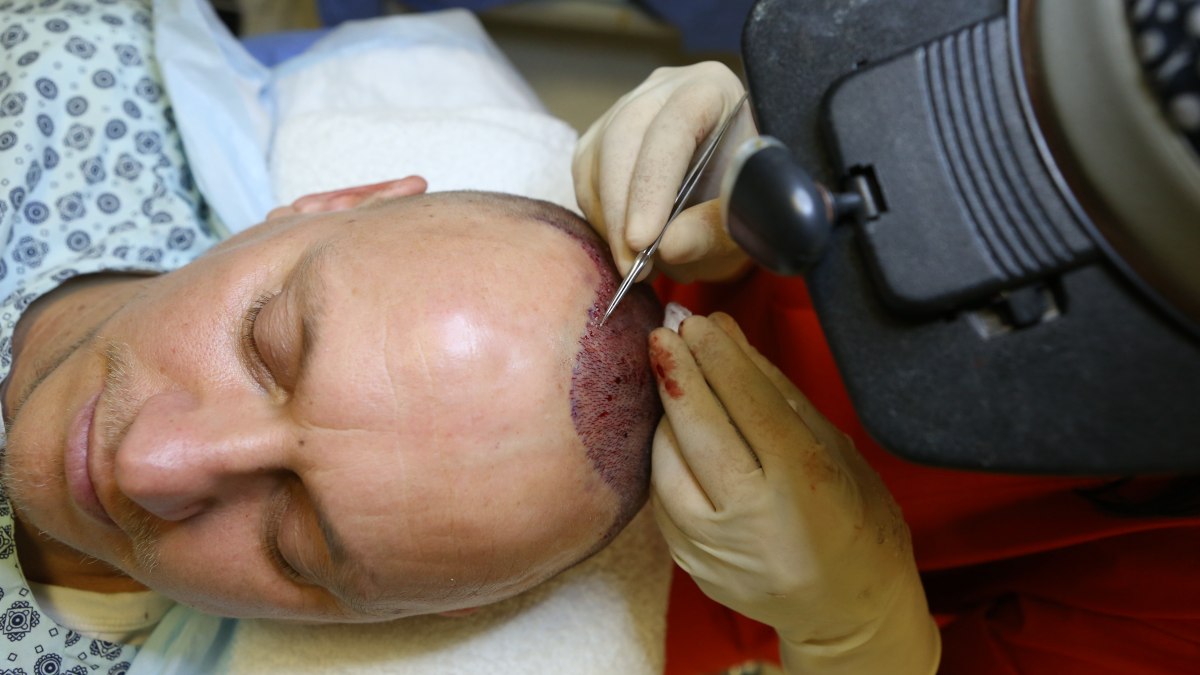
A: In most modern hair transplant procedures, the donor hair comes from the individual's own head. The hair in the denser, more permanent regions of the scalp - typically along the sides and back of the head - is used as donor hair because it is generally more resistant to the effects of genetic thinning.
One of the most important concepts in hair transplantation is that your donor hair supply is strictly limited. The donor region contains a finite number of healthy follicles that can be safely moved. Because of this, a skilled hair transplant surgeon must thoroughly evaluate the entire scalp - not just the areas of current hair loss - to develop a sustainable, long-term treatment strategy. The goal is to use the available donor hair as efficiently as possible while preserving a natural appearance both now and in the future.
During the initial consultation process, your surgeon will assess several key factors:
• The density and health of your donor area
• The current extent and pattern of your hair loss
• Your age and family history of hair loss
• The likelihood of future thinning
This evaluation helps determine exactly how many grafts are safely available and where they can be placed to provide the greatest benefit.
For this reason, hair transplantation is often better suited to individuals whose hair loss patterns have matured and become more predictable. Younger patients who are experiencing the early stages of male pattern baldness may continue to lose significant amounts of hair over the coming years. If a transplant is performed too early, the transplanted hair will remain permanently in place while the surrounding native hair continues to recede. This can potentially create an unnatural appearance and increase the need for additional procedures later on.
Although the scalp is the preferred donor source in the vast majority of cases, some patients with severely limited scalp reserves may be candidates for body hair transplantation. In these instances, hair from areas such as the beard or chest is used to supplement the scalp. However, because body hair differs significantly in texture, growth cycles, and overall appearance, it is strictly considered a secondary option and is not appropriate for every patient.
©Hairfinder.com
See also:
Hair restoration
Is transplanted hair permanent or can I lose that hair too?