Dry or Wet Haircutting
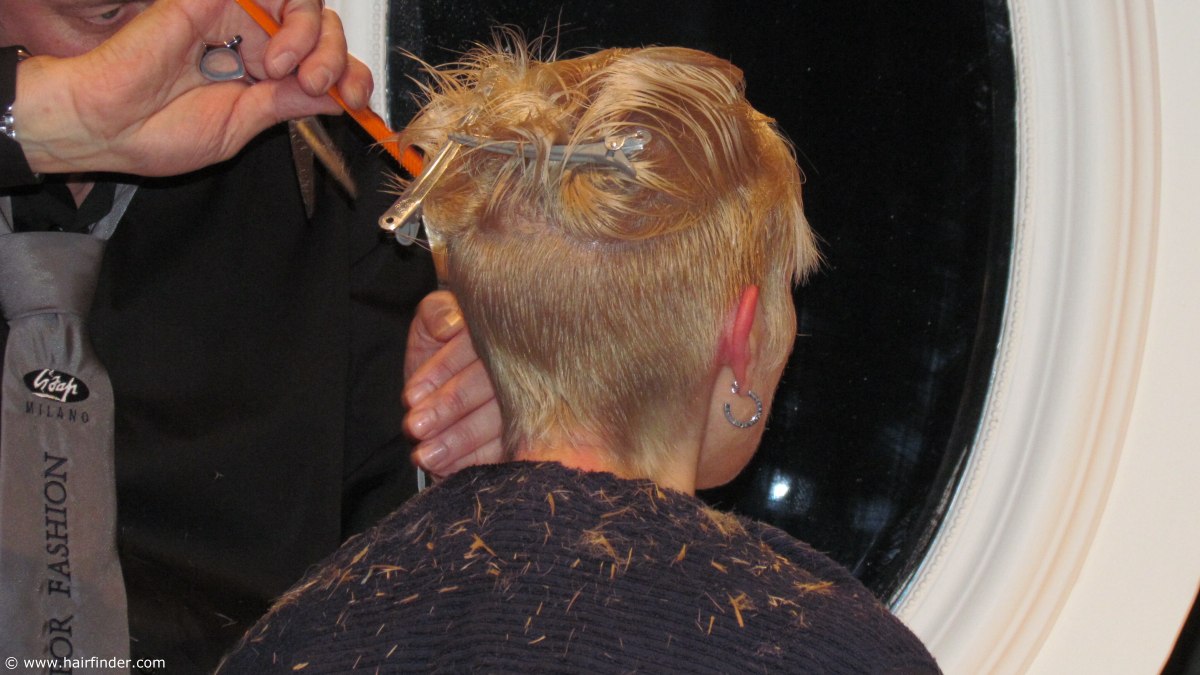
Q: What will give the best results: dry haircutting or wet haircutting? Or should hair just be damp for better results? Does the style or length make a difference when you have to choose between the dry and wet cutting?
A: The best method depends entirely on the cutting tool, the hair's natural texture, and the desired style. Both wet and dry techniques offer distinct advantages, and using them together often yields the best results.
However, keep in mind that hair stretches up to 50% longer when wet. If you pull damp hair too tightly while cutting, it will snap back much shorter once dry.
Dry cutting, on the other hand, is ideal for visual customization. It reveals the hair’s true density, natural fall, and unique growth patterns in real time. While dry, cut-off hair trimmings tend to scatter more easily, working on dry hair gives the stylist complete clarity for texturizing, point-cutting, and removing excess weight right where it builds up.
Hair Texture Considerations
The hair’s texture plays a major role in deciding whether to cut it dry or wet.• Straight and Wavy Hair: Responds well to initial wet sectioning for strong perimeters, followed by dry detailing.
• Curly and Coily Hair: Water relaxes natural curl patterns. Cutting curly hair while wet often leads to extreme shrinkage and uneven shapes once dry. For this reason, many curl specialists cut curly and coily hair completely dry to sculpt each individual curl cluster accurately.
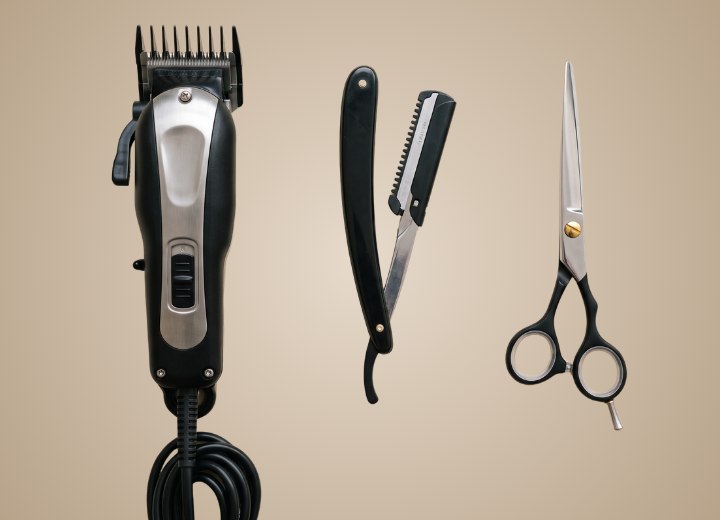
Tool-Specific Considerations
The choice of tool determines the required moisture level in the hair to protect both the equipment and the hair shaft.• Clipper Cutting: Always perform clipper work on dry hair. Moisture causes hair clippings to stick together and clog the blades, leading to pulling, uneven fading, and potential blade rust.
• Razor Cutting: Razors must be used on thoroughly wet or damp hair. Moisture acts as a lubricant; using a razor on dry hair tears the cuticle, creates split ends, and causes uncomfortable pulling.
• Scissor Work: Can be done damp for structural base cuts, or dry for softening edges and checking cutting lines.
Hair Length Considerations
The hair length dictates how much control you need during sectioning and detailing.• Long Hair: Easier to section, control, and pull to even lengths when damp.
• Short Hair: Benefits from a combination approach: damp scissor work to lay the foundation, followed by dry detailing along the neckline and ears to account for natural growth direction.
The most effective strategy for most hairstyles is a hybrid method: establish the primary structural shape and length while the hair is damp, blow-dry the hair, and then complete the cut dry to fine-tune, check accuracy, and personalize the natural fall of the hair.
©Hairfinder.com
See also:
Is it safe to cut hair when it is dry?
Should you not brush hair when wet?
How does hair elasticity affect a haircut?