Tanning Beds & Hair Health
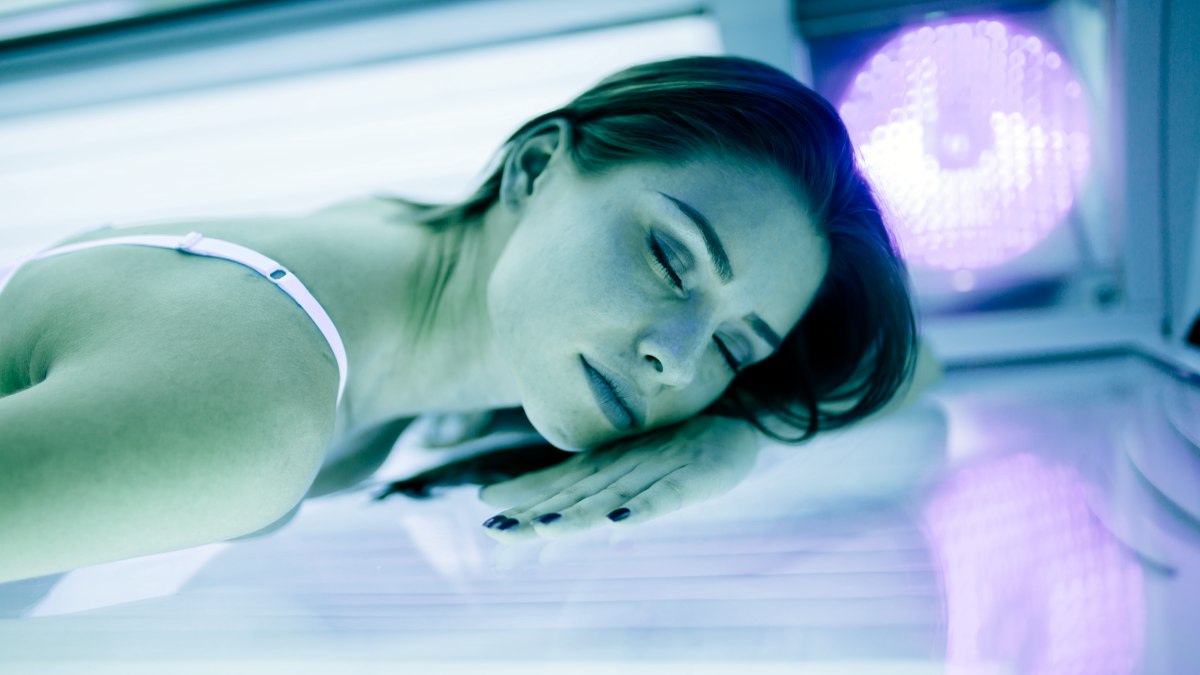
A: Yes, it can. In the same way that overexposure to natural sunlight lightens and damages hair, tanning beds have a similar effect due to the concentrated ultraviolet radiation they emit.
How UV Rays Affect Your Hair
• Color Fading & Lightening: Tanning beds deliver a concentrated dose of UV rays—primarily UVA—in a very short time. Because melanin (the pigment that gives hair its color) is present in your hair just like in your skin, intense UV rays break it down through a process called photobleaching. This causes both natural hair color and expensive artificial dyes to fade quickly.• Dryness & Structural Weakness: UV exposure degrades keratin - the primary protein that gives hair its strength - and strips away its natural protective lipids. Over time, this leaves hair feeling dry, brittle, and frizzy, making it much more prone to split ends and breakage.
How to Protect Your Hair
• Cover It Up: The single best way to shield your hair in a tanning bed is to cover it completely with a towel or a turban. Since hair doesn't need to tan, physical blockades offer 100% protection.• Use UV-Protective Products: If leaving your hair uncovered, apply a leave-in conditioner or hair spray formulated with UV filters (such as Benzophenone-4). These products absorb or reflect radiation, creating a protective barrier that seals in moisture and slows color fade.
Post-Tanning Care
If you use tanning beds regularly, incorporate deep conditioning treatments into your weekly hair care routine. A moisturizing hair mask helps restore lost hydration and smooth the cuticle, while occasional protein treatments help temporarily patch and reinforce weakened strands.Finally, avoid high-heat styling tools (like flat irons or curling irons) immediately after a tanning session, as combining heavy UV exposure with extreme heat compounds structural damage.
©Hairfinder.com
See also:
Hair and sun exposure
Why the sun lightens our hair
Sun block for hair