How To Blow Dry Hair
To fix this, we need to give the basic tips for a really good blowout, as well as some advice for different hair types that will make a world of difference.
As with any styling technique, the most important part of the styling is preparation. You need to make sure you have all the tools necessary to get the results you want. The tools you need vary slightly with different hair types, but all in all, there are some universal tools that everyone needs. These are:
• Wide-tooth comb
• Blutterfly or other clips
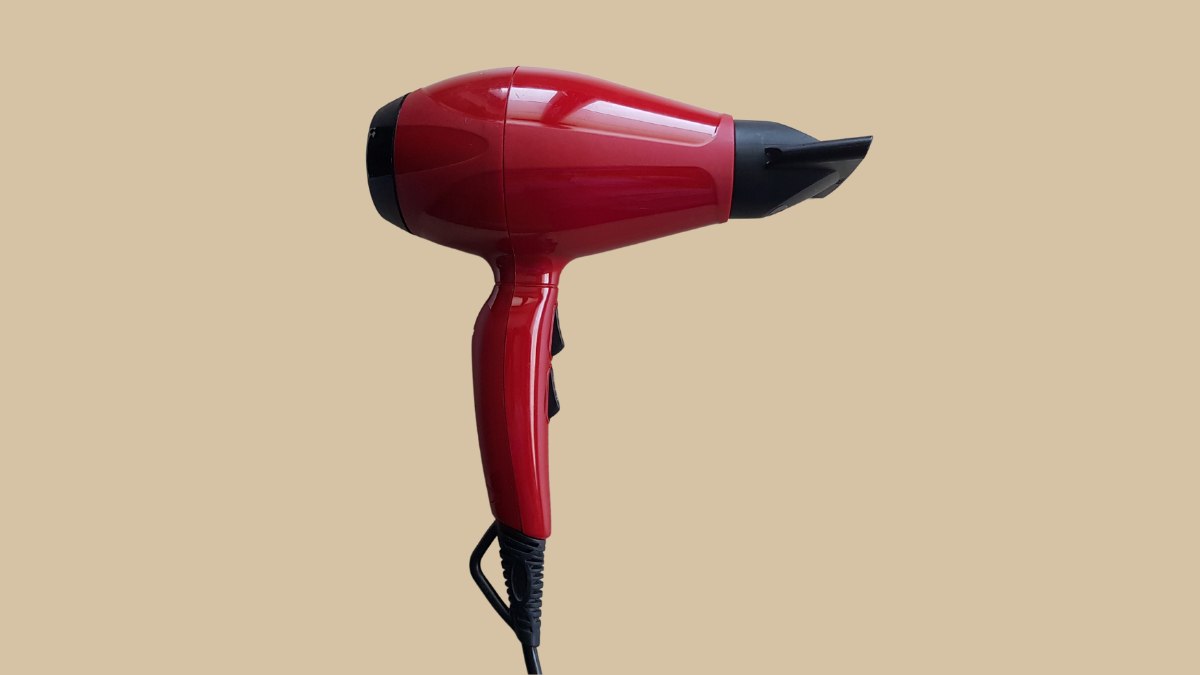
• Blow dryer with adjustable heat and airflow, and cool shot trigger
• Brush (specific type depends on hair type)
• Styling product (specific type depends on hair type and desired results)
Once your tools are assembled, the next stage of preparation is getting the hair ready to be dried. This may sound like an odd thing, but is actually one of the major mistakes many women make in blow drying their hair.
Before attempting to blow-dry the hair, the hair should be carefully towel-dried. Squeeze the hair gently, but firmly, between the folds of a towel, and press the towel against the scalp to absorb as much moisture from the hair as possible. Once towel-dried, apply styling and protective products to the hair and carefully comb them through.
This is the point at which to apply your leave-in conditioners (blotting excess moisture with your towel to keep the hair from becoming overly saturated again) and your smoothing agents like balms and serums. Distribute them evenly with your wide-tooth comb so that they cover the hair from scalp to tip. After the protective products, comes the styling product.
The styling product you choose depends on the specific results you want for the style, and in many cases, the type of hair you are dealing with. For fine to medium-textured hair that is straight to wavy, lighter styling products such as mousse and setting lotions are good because they provide gentle hold and smoothing effects for the hair. For curlier or coarser hair types, stronger hold products like styling gel and wax-based balms are usually more effective in creating longer-lasting styles.
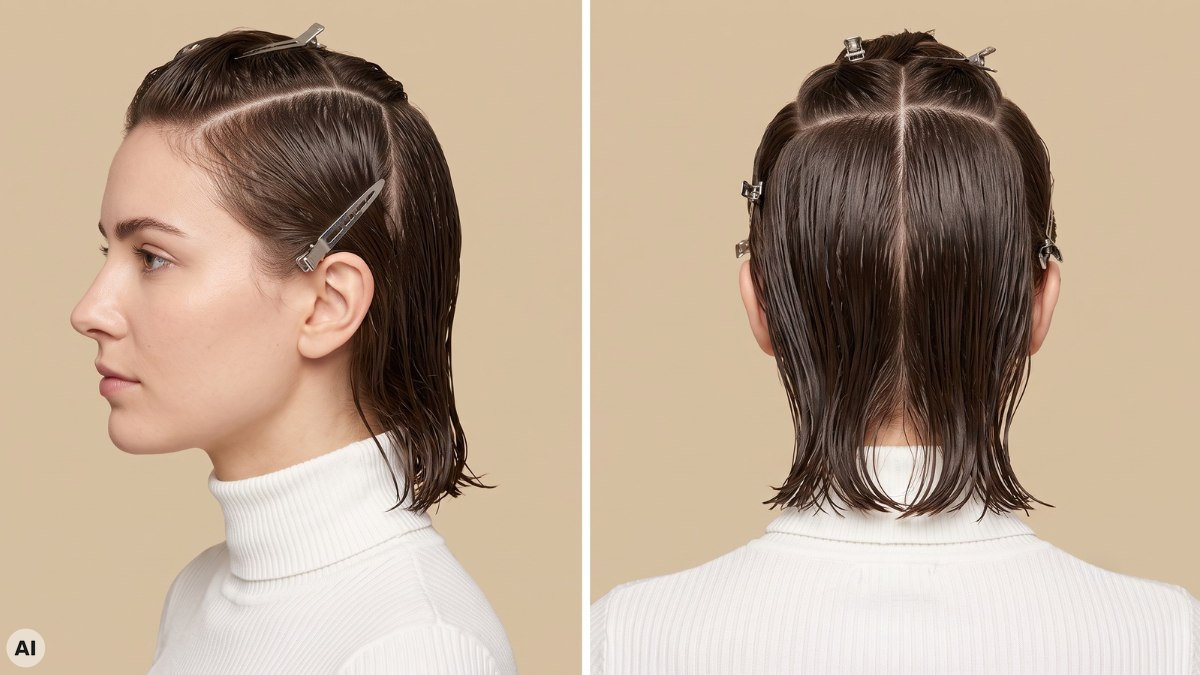
Now that the hair is protected and styled with a product, the next step in preparation is to arrange the hair to make it more manageable. To do this, we need to section the hair so that we can dry it in an orderly fashion. The easiest pattern for sectioning the hair to blow-dry is a four-section parting that divides the hair into a top section (from forehead to mid-crown and from side to side), left and right sides (from the front edge to behind the ears), and the back (from mid-crown to nape).
Using the comb, draw the perimeter of each section, and gather the interior hairs and twist them, securing them with butterfly clips. Once all the hair is secured, begin drying the hair by letting down smaller portions of the sections and drying them one at a time. With less hair to deal with, the drying process goes more quickly.
The brush used varies depending on the results you want and, to a lesser extent, the texture and type of hair. For hair with natural waves that you want to preserve, a vented brush with widely-spaced bristles is good. It will separate the strands for maximum air circulation without exerting excessive tension, which can straighten the hair too much.
If you want to style the hair straight, you should use a flat paddle brush with closely spaced bristles. The larger surface area of the brush head with more bristles separates the hair with increased tension. This allows the hair to be kept taut as it dries, resulting in straighter hair.
Finally, when dealing with naturally curly hair, using a hair brush may not be advisable. To maintain the hair's curl, you can attach a diffuser to your hair dryer and use your fingers or a wide-tooth comb to gently lift and fluff the hair, allowing it to dry without stretching or flattening the curls.
How To Tips
To achieve the best results from your blow-dry styling, there are some tips that can make a dramatic difference. These tips cover various aspects, from the angle of airflow to the elevation of the hair during drying. When incorporated, they can significantly enhance the outcome of your blowout. Here are the tips:
Airflow & Heat: Start high, finish low.
When blow drying the hair, begin with your blow dryer's heat and airflow settings on high to remove excess moisture from the hair. Continue until the hair is partially dry, and then reduce both the heat and airflow to complete the styling. This provides better control over the hair and helps prevent damage from excessive heat.
If you have fine-textured or damaged hair, start with medium settings and quickly switch to low settings as soon as the hair starts to dry.
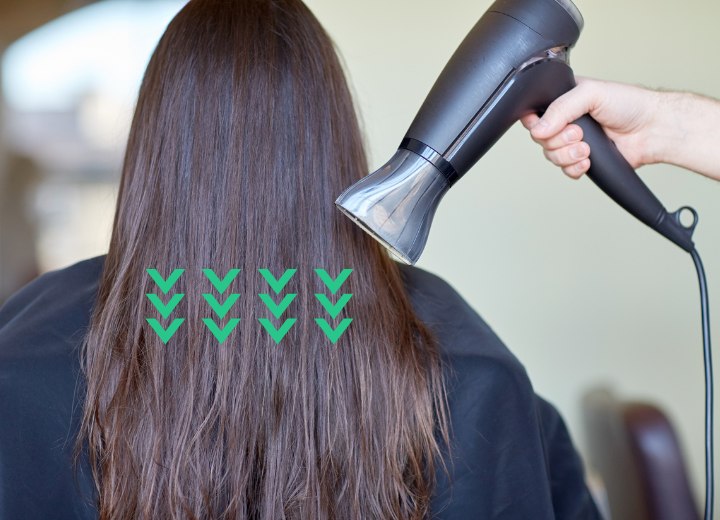
Since the hair grows outward from the scalp and the strands are covered with overlapping scales known as the cuticle, directing the airflow toward the scalp increases the likelihood of raised cuticle scales and frizzy, damaged-looking hair.
On the contrary, by keeping the airflow aligned with the direction of the cuticle, you can maintain a smooth and shiny appearance during the drying process. When it's not possible to direct the air exactly in the direction the hair grows, aim to keep the airflow perpendicular to the hair.
Elevation: Creating volume through lift.
The key to a great blow-dry style often comes down to achieving volume. To create volume, particularly at the scalp, it's important to elevate the hair while drying it.
Use your brush to lift the hair straight out from the scalp as you dry it. This technique helps create lift and volume. Pause the airflow and hold the hair in place for a brief period to allow it to cool down (or use the cool shot feature) and maximize the lift you've created.
Cool Shot: Setting a style.
Most high-quality hair dryers include a "cool shot" button or mechanism that turns off the heat and provides cooler airflow. This feature is beneficial for styling because heat can be used to reshape the hair's wave.
By directing the cool air across the hair while it is shaped around a brush or other styling tool, you can create different styles. This works particularly well with a round brush for curling bangs, flipping the ends of the hair outward, or creating a turned-under effect at the bottom. With practice, you can master other techniques as well.
The blowout can be one of the most valuable styling techniques for women, and although it may require some extra practice to master, it is well worth it when you achieve the looks that make you happiest.
© Hairfinder.com