Fish and Hair Health
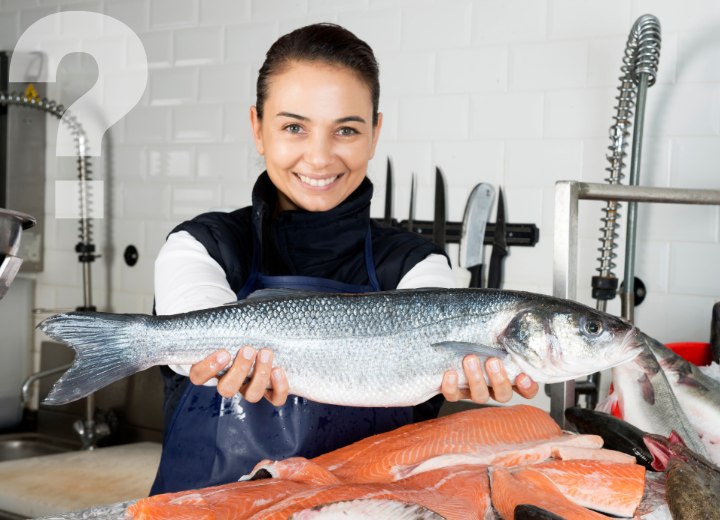
Q: Is eating a lot of fish good or bad for the health of your hair?
A: Eating fish is wonderful for your hair, but like most good things in life, balance is key.
Fish is packed with essential nutrients that nourish your scalp, strengthen hair strands, and help prevent premature shedding. However, eating excessive amounts of certain types of fish can expose you to high levels of mercury, which can ironically lead to hair thinning. Enjoying low-mercury fish a few times a week gives you all the hair-loving benefits without the risk.
Why Fish Supports Healthy Hair
Your hair reflects what you feed your body, and fish happens to pack a powerful combination of nutrients that care for your hair from the inside out.• High-Quality Protein: Your hair is made almost entirely of a tough protein called keratin. When you don't get enough protein, your body prioritizes your vital organs over your hair, which can cause hair strands to weaken or shed. Because the protein in fish is so easy for your body to absorb, it gives your hair follicles a steady supply of what they need to thrive.
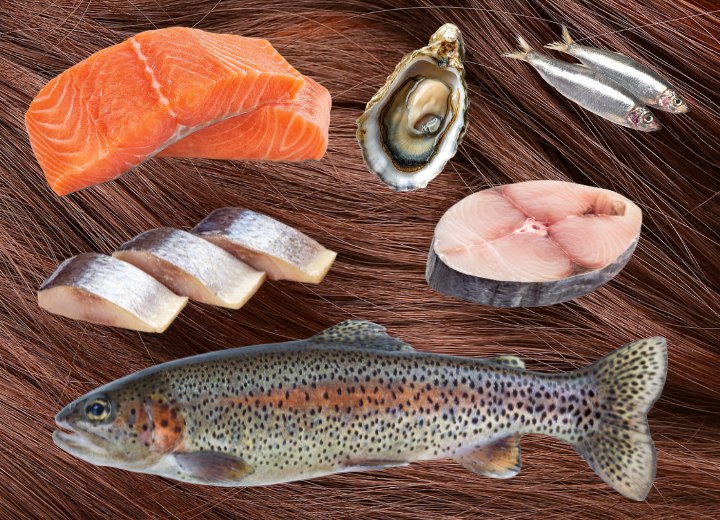
• Omega-3 Fatty Acids: Oily fish - like salmon, sardines, herring, trout, and mackerel - are rich in omega-3s. These essential fats nourish the oil glands in your scalp, reduce inflammation, and help keep your hair looking hydrated and shiny from the inside out.
Essential Hair Nutrients Found in Fish
Beyond protein and healthy fats, fish is packed with a rich variety of vitamins and minerals that act as silent partners in keeping your hair healthy. These micronutrients work beneath the surface to feed your scalp, support tissue repair, and protect your hair roots.• Vitamin D: Essential for creating new hair follicles. Fatty fish is one of the very few natural food sources of this crucial vitamin.
• Vitamin B12: Helps form red blood cells that carry fresh oxygen and nutrients directly to your scalp.
• Zinc & Selenium: Essential minerals that repair hair tissue, keep oil glands working properly, and protect follicles from environmental stress. Tip: Oysters are the world's richest source of zinc!
• Iron: Supports healthy blood flow. While red meat is higher in iron, shellfish and certain fish still offer a gentle nutrient boost to guard against iron-deficiency hair loss.
Fish and Hair Growth
Eating extra fish won't make your hair grow at super-speed. Hair growth rate is largely guided by your genetics, age, hormones, and overall health.Think of fish as a way to help your hair reach its natural strength and potential, rather than a magical growth accelerator. Once your body has the nutrients it needs, eating more won't speed up the hair growth process.
The Downside
Watch out for mercury. Eating large amounts of big, long-lived predatory fish can lead to mercury buildup in your body. High mercury levels can interfere with your nervous system and, over time, can cause hair loss.• Fish to limit or avoid: Shark, swordfish, king mackerel, tilefish, and some large tuna (particularly bigeye tuna).
• Safe, low-mercury choices: Wild salmon, sardines, anchovies, trout, herring, and Atlantic mackerel.
How Much Fish Should You Eat?
Aiming for 2 to 3 servings a week (around 100–150 grams or 3.5–5 ounces per serving) gives your hair all the nourishing benefits while keeping mercury levels low. Try baking, grilling, or poaching your fish to preserve the healthy fats!©Hairfinder.com