Age and Dandruff
Q: At what age do people start getting dandruff?
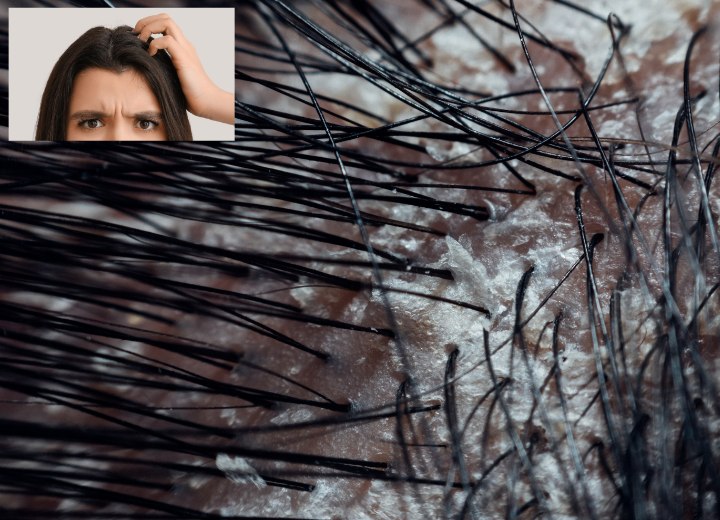
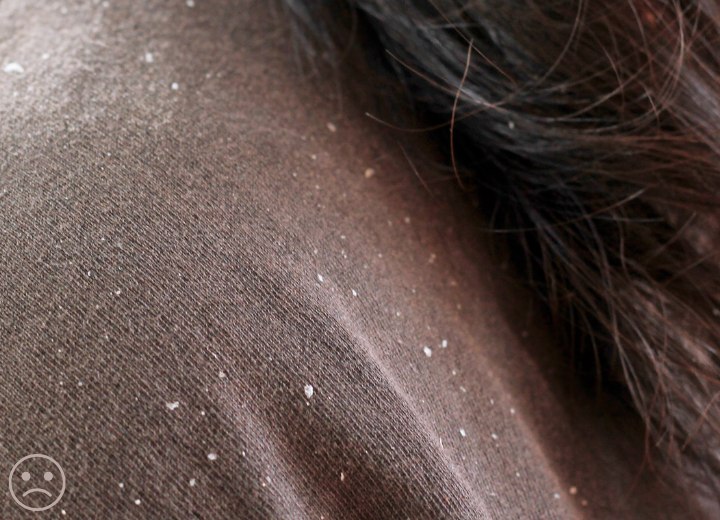
A: Dandruff is a scalp condition that causes white or yellowish flakes of skin to shed from the scalp. It may be accompanied by itching and mild redness. It is not contagious or a sign of poor hygiene, but dandruff can be persistent and embarrassing.
Men are slightly more likely to be affected than women, due to higher androgen levels. After middle age, dandruff often becomes less common as the scalp's oil production decreases. However, some older adults continue to experience it.
Why dandruff starts around puberty
The main reason dandruff usually begins during puberty is that hormonal shifts (specifically a surge in androgens) stimulate the sebaceous glands in the skin to produce more oil (also called sebum).As these glands produce excess oil, the scalp provides an ideal environment for a naturally occurring yeast called Malassezia. Most people have Malassezia living harmlessly on their skin as part of the normal microbiome. In people prone to dandruff, this yeast feeds on scalp oils and produces fatty acids like oleic acid.
In susceptible individuals, oleic acid can penetrate the scalp, disrupt the skin barrier, and trigger inflammation that accelerates skin-cell turnover. Rapid skin-cell turnover causes dead cells to clump together into visible flakes, and scalp oil helps these flakes adhere, making them more noticeable.
Dandruff before puberty
Although uncommon in young children, infants can develop a related condition known as cradle cap, which causes greasy, yellowish scales on the scalp. This is driven by lingering maternal hormones affecting the baby's oil glands. It is distinct from dandruff and normally resolves on its own within a few months.Older children can occasionally develop dandruff, but true dandruff is much less frequent before puberty because the oil glands are not yet fully active.
Factors that contribute to dandruff
Dandruff is the result of several interacting factors. While Malassezia, sensitive skin, and scalp oil are central to its development, other factors influence whether dandruff develops and how severe it becomes.• Genetics: Inherited traits play a strong role in a person's susceptibility to dandruff. Genetic factors appear to influence susceptibility by affecting skin barrier function and immune responses. This explains why dandruff often runs in families.
• Stress: Emotional stress (such as anxiety, exams, or work pressure) and physical stress (such as illness, surgery, or sleep deprivation) do not directly cause dandruff, but it can alter immune and inflammatory responses in the skin. This can worsen existing dandruff or trigger flare-ups. Many people notice significant improvement once stressful periods pass.
• Cold, dry weather: Dandruff often worsens during autumn and winter. While cold air and dry indoor heating do not increase yeast growth, they strip moisture from the scalp, disrupting the skin barrier and making it far more vulnerable to flaking.
• Infrequent or improper hair washing: Not washing hair often enough does not cause dandruff, but it allows oil, dead cells, and yeast byproducts to accumulate. This makes flakes larger, more visible, and itchier. For people prone to dandruff, regular shampooing (especially with an anti-dandruff shampoo) helps remove excess oil, reduce Malassezia, and wash away loose flakes.
This answer is intended for informational purposes only. For medical advice or a diagnosis, contact a doctor.
©Hairfinder.com
See also:
Dandruff shampoo
Dandruff causes and treatments