Dandruff
The Facts About Dandruff
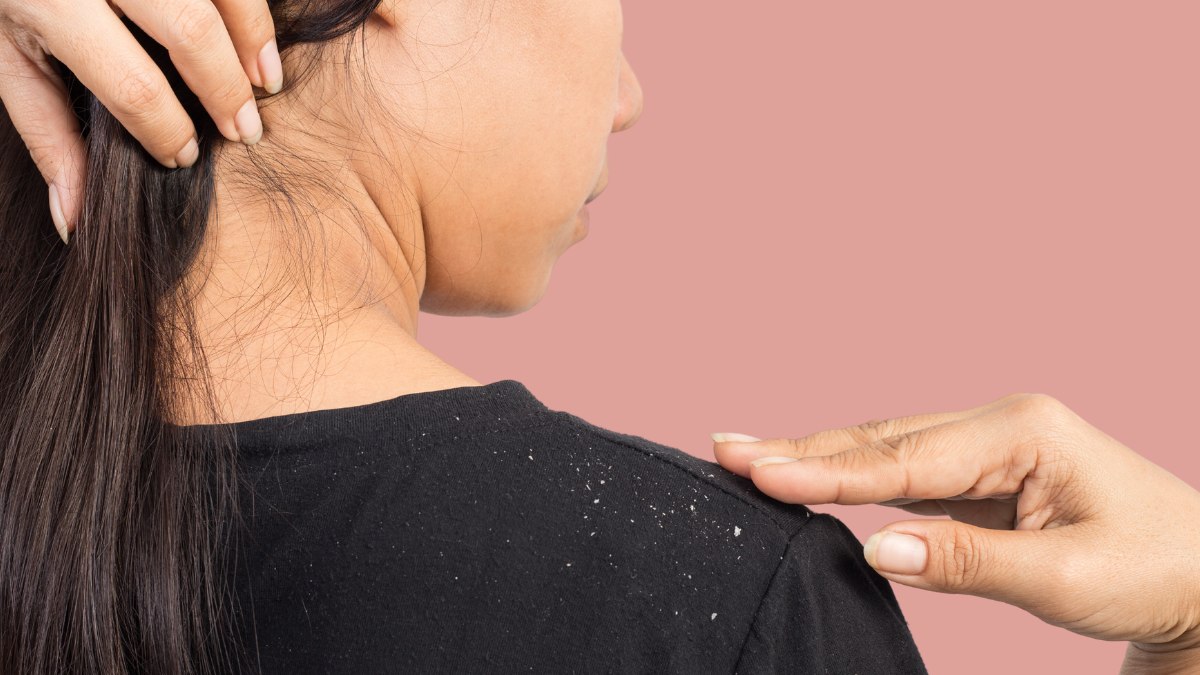
Dandruff is probably one of the most common complaints people have about their hair and scalp. It can cause itching and visible flakes that show up on dark clothing.Many people believe that any flakes they see are dandruff, but a dry scalp and dandruff can look very similar. They are not always easy to distinguish based on the appearance of the flakes alone. Dry skin occurs when the scalp loses too much moisture, while dandruff is generally associated with changes that involve scalp oil and a yeast called Malassezia.
Identifying Dandruff
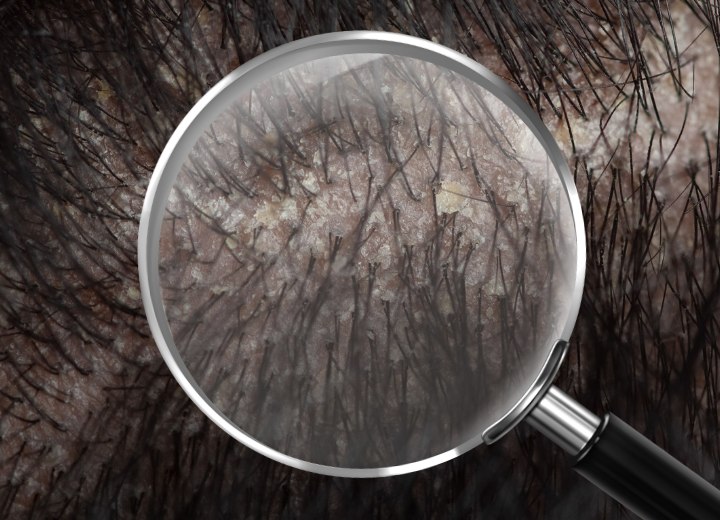
Dandruff usually causes flakes to shed from the scalp and may cause itching. The flakes can be white or sometimes yellowish and are more noticeable when the scalp is oily. But the size, color, or appearance of a flake is not enough on its own to reliably distinguish dandruff from a dry scalp or another scalp condition.A dry scalp can also cause itching and flaking. In general, dry scalp is related to a lack of moisture, while dandruff is more closely associated with the scalp's oil-producing environment and seborrheic dermatitis. Some people can have overlapping features of both.
Dandruff can occur without obvious redness or inflammation. When there is significant redness, swelling, irritation, or more extensive scaling, the problem may instead be seborrheic dermatitis or another inflammatory scalp condition. Seborrheic dermatitis is closely related to dandruff and is generally considered a more inflammatory form of the same spectrum of disease.
Dandruff-like scaling can also be caused by other conditions, including psoriasis, eczema, contact dermatitis, and fungal infections such as scalp ringworm. These conditions can have different causes and may require different treatments. If your symptoms are severe, it is best to have your scalp assessed by a doctor.
Dandruff Causes
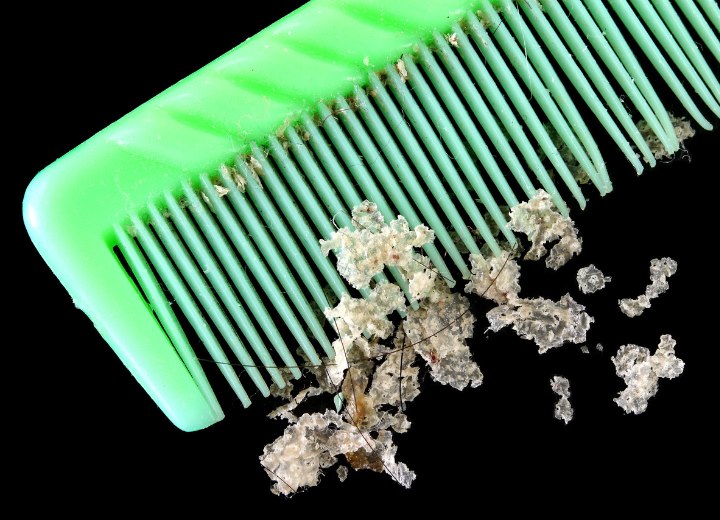
The exact causes of dandruff are more complicated than simply having too much yeast on the scalp. Dandruff and seborrheic dermatitis are closely related conditions, and dandruff is generally regarded as the milder, non-inflammatory end of this spectrum.One factor involved is a group of yeasts called Malassezia. These yeasts live on human skin, including the scalp. They use components of skin oil as part of their growth. In people who are susceptible, their activity and interaction with the scalp can contribute to irritation and inflammation.
Dandruff therefore appears to result from an interaction between several factors, including the scalp's oil production, Malassezia, the skin barrier, and an individual's sensitivity or inflammatory response. The exact mechanisms are not yet completely understood.
Several factors can trigger or worsen dandruff. These may include stress, cold or dry weather, oily skin, some hair-care products, and individual washing habits. Dandruff is not caused by poor personal hygiene, but flakes may become more noticeable when the scalp is not washed regularly.
Dandruff is often a recurring condition. It may improve with treatment and then return later, so some people need ongoing or intermittent treatment to keep it under control.
Treatment for Dandruff
Dandruff can usually be controlled. Treatment aims to reduce flaking and itching, improve scalp health, and prevent or reduce future flare-ups.Choose the right ingredients
For mild dandruff, start with regular washing using a gentle shampoo. If this does not control the problem, an anti-dandruff shampoo may help. Common active ingredients include ketoconazole, selenium sulfide, zinc pyrithione, salicylic acid, sulfur and/or coal tar.Different ingredients work in different ways. Some help control Malassezia and other microorganisms associated with dandruff, while others help loosen and remove excess scale or reduce flaking. Availability varies between countries, and not every ingredient is suitable for every person.
Follow the instructions on the product carefully. Anti-dandruff shampoo should generally be applied to the scalp, rather than simply spread through the hair. Some products need to remain on the scalp for several minutes before being rinsed off so that the active ingredient has time to work.
Give treatment enough time
It can take several weeks to determine whether an anti-dandruff shampoo is working. Use it consistently according to the product instructions rather than judging the result after only one or two washes.If one type of shampoo does not help, trying another product containing a different active ingredient may be useful. Some people benefit from alternating different anti-dandruff shampoos.
Once dandruff is under control, many people continue using an anti-dandruff shampoo periodically to help prevent it from returning. A common maintenance approach is once a week, although the appropriate frequency depends on the product, hair type, scalp condition, and individual needs.
Wash the scalp regularly
Regular cleansing helps remove excess oil, dead skin cells, flakes, and product buildup.How often you need to wash your hair depends on your scalp and hair type. People with an oily scalp or fine, straight hair may need to wash more frequently.
People with curly hair may need to wash their hair less frequently and use medicated shampoo less often to avoid drying it out. If you have curly hair, applying medicated shampoo primarily to the scalp can help reduce unnecessary drying of the hair itself.
Avoid unnecessary irritation
Some hair care products can irritate the scalp or trigger contact dermatitis. Hair dyes, fragrances, sprays, gels, mousses, and some shampoos can cause irritation in susceptible people.If a product consistently causes stinging, itching, or a rash, stop using it. Consider switching to a gentler, fragrance-free product if appropriate.
Avoid scratching
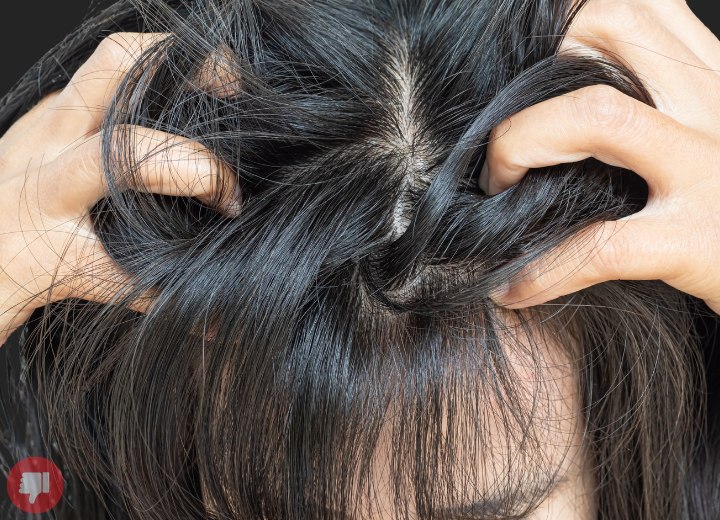
Scratching may provide temporary relief from itching, but it can further irritate the scalp and damage the skin.If itching is difficult to control, treating the underlying scalp condition is usually more effective than repeatedly scratching. Significant inflammation or persistent itching may require advice from a pharmacist or doctor.
Be careful with home remedies
Many home remedies for dandruff are promoted online, but evidence for many of them is limited. Some substances can also irritate an already sensitive or inflamed scalp.For example, there is not strong evidence that tea tree oil is an effective dandruff treatment, and it can cause allergic reactions in some people. Undiluted essential oils, vinegar, lemon juice, and other acidic or concentrated substances may also irritate the scalp.
A properly formulated anti-dandruff treatment with a recognized active ingredient is usually a more predictable choice.
This article is intended for informational purposes only and is not a substitute for professional medical advice, diagnosis, or treatment. If you have persistent, severe, or unusual scalp symptoms, consult a doctor.
©Hairfinder.com
See also:
Hair Diseases
Scalp Problems