Contagious Dandruff
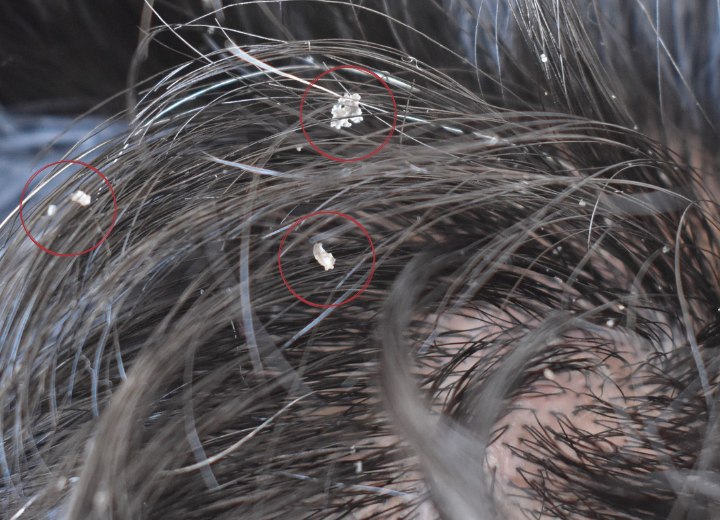
Q: Is dandruff contagious?
A: A myth about dandruff is that it can spread from one person to another. Many people worry that they'll catch dandruff if they use someone else's comb or hairbrush, borrow a hat, or sit close to someone whose shoulders are covered with white flakes. That's not true.
Why People Think Dandruff Is Contagious
The myth persists because dandruff is so visible. The white or yellowish flakes drop onto clothes and furniture and make it easy to think they carry an infectious bug. But these flakes are just harmless, dead skin cells bound together by scalp oils. They do not transmit dandruff or any infectious disease.Another reason for the mix-up is the advice against sharing combs, brushes, and hats. While this is great hygiene advice, it has nothing to do with dandruff. Sharing hair care accessories and hats is discouraged because it can spread contagious conditions like head lice or scalp ringworm. Scalp ringworm is a fungal infection that causes scaly, itchy patches.
If you happen to use the same brush after someone with dandruff, the worst thing that will happen is finding a few loose skin cells on the bristles. However, they cannot infect your scalp.
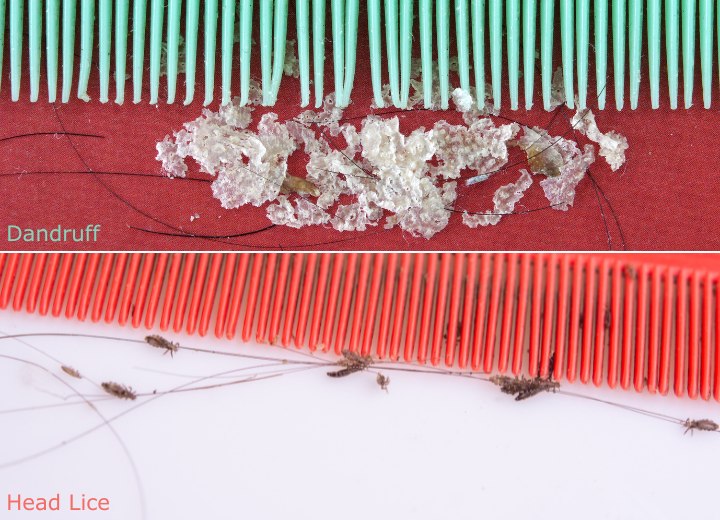
Dandruff vs. Head Lice and Dry Scalp
Dandruff is frequently confused with other scalp issues, and this often leads to unnecessary panic:• Dandruff vs. Head Lice: Dandruff flakes are loose and slide out of the hair easily with a light touch or with a brush. Head lice are tiny parasites, and their eggs (called nits) are glued to individual hair strands near the root. Nits will not shake loose or brush away.
• Dandruff vs. Dry Scalp: Simple dry scalp produces tiny, dry white flakes due to a lack of moisture. True dandruff produces larger, sometimes oily or yellowish flakes caused by excess oil and yeast, although mild dandruff may also produce fine white flakes.
Dandruff and head lice are completely unrelated. Dandruff cannot turn into lice, and lice cannot cause dandruff. But it's possible, if unlucky, to have both at once.
Managing Dandruff
Dandruff is one of the most common scalp conditions in the world. While it can feel frustrating or embarrassing, it poses no risk to your family, friends, or coworkers.With good hair care, regular washing, and the occasional use of an over-the-counter anti-dandruff shampoo, it can usually be controlled.
This answer is intended for informational purposes only. For medical advice or a diagnosis, contact a doctor.
©Hairfinder.com
See also:
Dandruff causes and treatments
Dandruff shampoo