Girl with Very Thin Hair
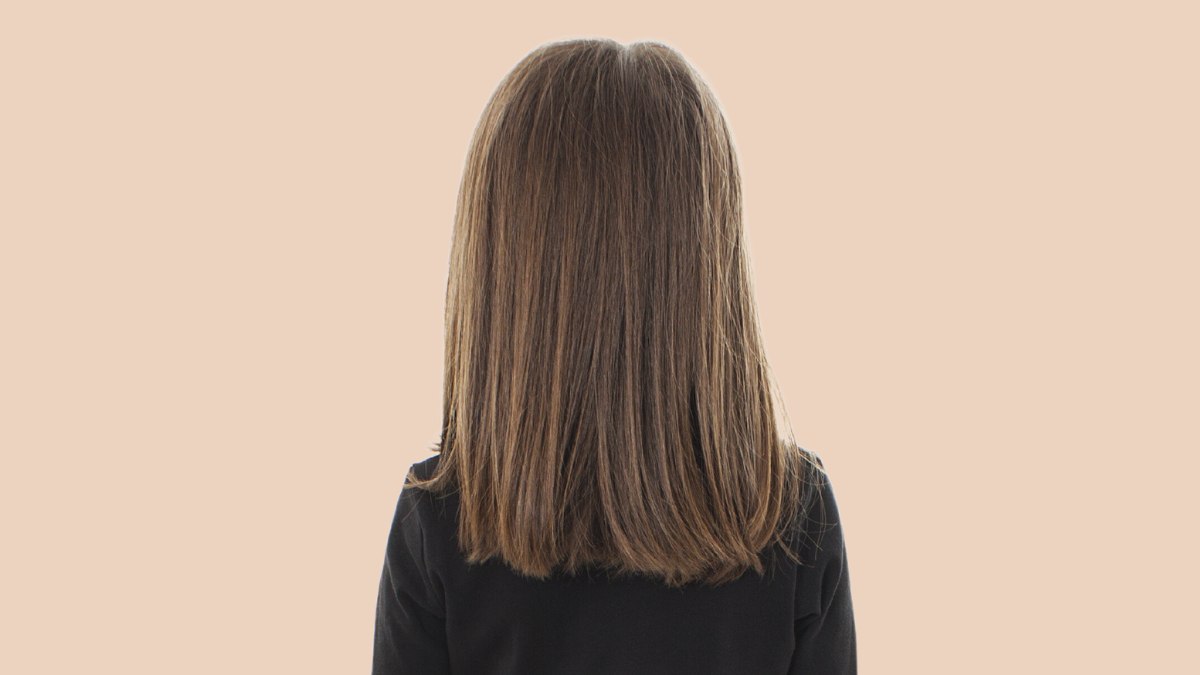
I don’t want her to go in to her teenage years hating her appearance as so many girls that age do. She eats a well-balanced diet, but I have not included any multivitamins, and my hairdresser suggested that this may help. What are your thoughts? Is there anything that can be done? Is there a style that may help her hair appear thicker as she gets older and becomes self-conscious of this?
Getting a Doctor’s Opinion
Before deciding it is purely genetic, your best first step is to set up an appointment with her pediatrician or a pediatric dermatologist. The most important detail for a doctor to figure out is whether her hair has always been this thin, or if she is actually losing hair and experiencing a change in density.Even when a child eats well, hidden and treatable medical issues can sometimes cause hair thinning. Things like low iron levels or a sluggish thyroid can be the culprit. A lack of Vitamin D has also been linked to certain types of hair loss, though that connection is less straightforward. Depending on what the doctor finds, they might recommend blood tests, such as an iron panel or a thyroid test. There isn't one universal blood test that works for every child with thin hair, so any testing will match what the doctor observes.
A dermatologist can also check for specific childhood conditions that affect hair growth. For example, a condition called Loose Anagen Syndrome makes hair slip out of the follicle very easily and without any pain. Other causes could include damage from tight hairstyles, abnormalities in the hair strands themselves, patchy hair loss (alopecia areata) or scalp inflammation.
It is helpful to understand a key difference: having sparse hair is not the same thing as having hair loss. If your daughter's hair has always been on the thinner side and it isn't shedding abnormally, breaking, or showing the exposed scalp area get wider, she likely just has low hair density.
Multivitamins and Supplements
Regarding multivitamins, I wouldn't give them specifically to make her hair thicker. If she eats a balanced diet and doesn't have a nutritional deficiency, there is no solid evidence that adding vitamins will increase hair density. Vitamins aren't completely risk-free either, as taking too much of certain nutrients can cause health issues.If her doctor identifies an actual vitamin or mineral shortage, then correcting it may help her hair return to its normal growth pattern. But think of supplements as correcting a nutritional problem, not as a way of creating more hair follicles.
Puberty
Keep in mind that she is only 7 years old, and puberty is still years away. The shift in hormones during the teenage years will change how oily her scalp gets, how her hair feels, and the hair-growth cycle may change as well.It is impossible to predict what her hair will do. Some kids experience a change where their hair gets fuller or changes texture, while others keep the exact same hair density. Because of this, try not to rely on puberty to fix the issue, but don't worry that it will automatically make it worse either.
Haircut and Styling
When it comes to styling, a haircut can make a big difference in how sparse hair looks, even though it doesn't increase the number of hairs growing from the scalp.Hair that extends past the shoulder blades can look extra flat because the length and weight pull the strands downward. If you want to try a new look, a shorter cut (such as a blunt chin-length bob) can make the hair look much fuller. Try to stay away from lots of layers or heavily thinned-out ends, as those techniques will make sparse hair look even thinner.
Adding soft waves or gentle curls can give fine hair more visual volume. It is best to stick to heat-free styling methods instead of frequently using hot tools. If you use rollers, make sure they are loose and comfortable rather than tight or pulling at the roots.
What to Avoid
I would avoid chemical services, especially while she is still young. Perms can damage the hair shaft and irritate the scalp, which can make fragile or fine hair look even thinner. If she wants to experiment with hair treatments when she gets older, that can be reconsidered then, but protecting her hair while it is already thin makes the most sense.Avoid hairstyles that constantly pull on the scalp. Tight ponytails, buns, braids, extensions, and similar styles can cause traction-related hair loss when they're worn frequently.
This answer is intended for informational purposes only. For medical advice or a diagnosis, contact a doctor.
©Hairfinder.com
See also:
Roller styling techniques
Kids hair and hairstyles