Transplanted Hair
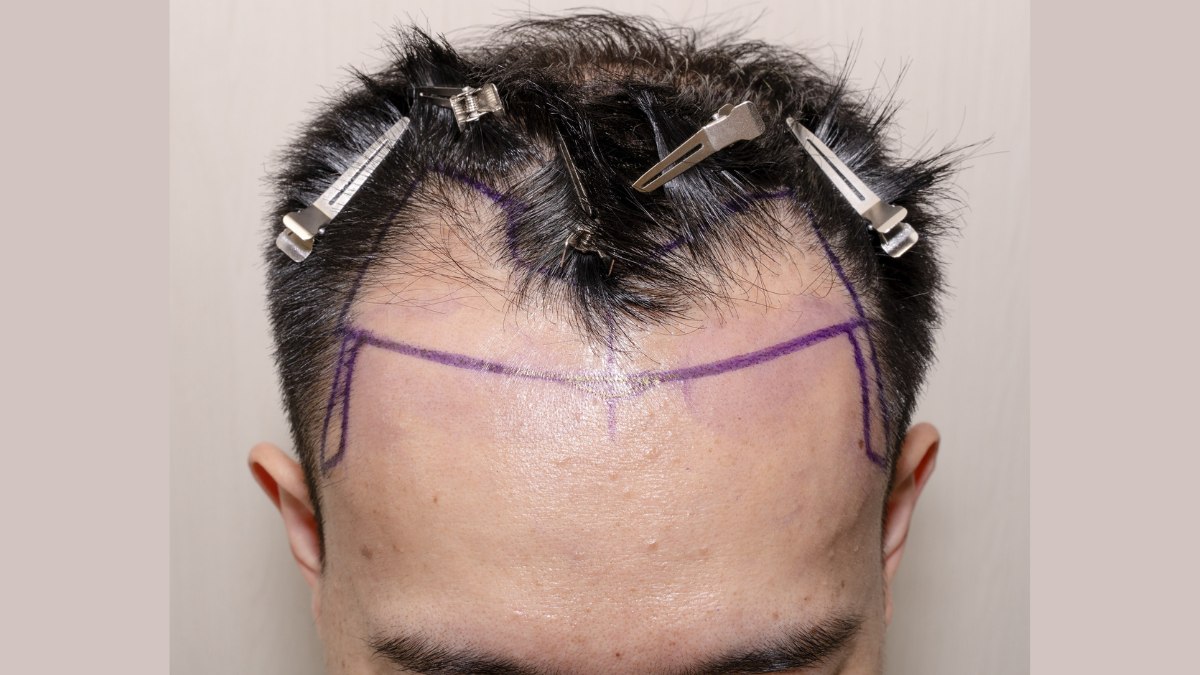
A: The short answer is that while the transplanted follicles themselves are generally permanent, you can still end up looking like you lost your hair - or lose the results you paid for - if you don't understand how the process actually works.
That’s because these hair follicles are harvested from the "safe donor zone" at the back and sides of your head, where hair is genetically programmed to resist DHT. Thanks to a phenomenon called donor dominance, those follicles retain that genetic immunity even after being moved to the front or top of your head. They will not fall out due to DHT.
However, that doesn't mean you're in the clear. There are several very real ways a transplant can fail to give you the permanent fix you were expecting:
• Your native hair keeps falling out: While the transplanted hairs stay put, the surrounding original hair will continue to thin and fall out if the underlying DHT issue isn't treated. This can leave you with isolated islands or patches of transplanted hair surrounded by bald spots, creating an unnatural look that requires additional, expensive surgeries or lifelong medical maintenance (like finasteride or minoxidil) to fix.
• Temporary Shock Loss: Shortly after surgery (usually within 2 to 8 weeks), almost all transplanted hair shafts will shed. This is completely normal shock loss, and the roots remain alive beneath the skin to grow new hair months later. However, if patients aren't prepared for this, it can look like a total failure.
• Graft failure during surgery: Not every transplanted graft survives the trip. If a graft fails to re-establish a healthy blood supply in its new location - due to poor surgical handling, poor scalp health, or improper post-operation care - it won't grow back. If enough grafts fail, your results will end up thin, patchy, and disappointing.
• Non-DHT hair loss conditions: If your hair loss isn't classic pattern baldness, but rather caused by autoimmune conditions (like Alopecia Areata) or scarring alopecias, the underlying disease can absolutely attack and destroy the newly transplanted hair just like it did the original hair.
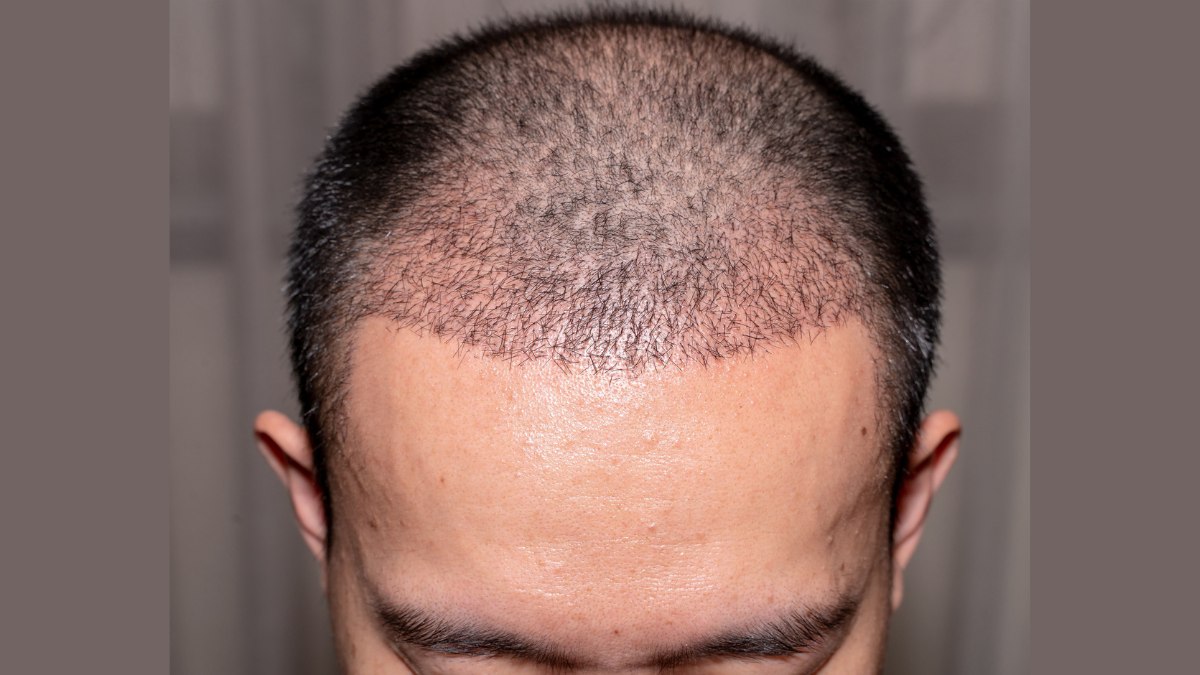
Your surgeon should conduct a rigorous scalp evaluation before taking your money: assessing donor density, hair loss stability, and underlying scalp health. Even then, you need to ask tough questions and make sure they explain not just the ideal outcome, but every way the procedure can leave you needing touch-ups down the road. Hair transplantation rearranges the hair you have; it isn't a cure for ongoing, untreated hair loss.
This answer is intended for informational purposes only. For medical advice or a diagnosis, contact a doctor.
©Hairfinder.com
See also:
Hair restoration
When you are having a hair transplant, where does the donor hair come from?