Get Your Hair's Elasticity Back

A: The honest truth is that only time and new growth will permanently give you a fresh slate. Because hair is non-living tissue, it cannot biologically heal itself once damaged. However, you don't have to just wait around. There are proven ways to temporarily rebuild your hair's internal strength and protect it in the interim.
When you layer those chemical services with regular heat styling, friction, and environmental wear, the end result can leave hair feeling brittle, snap-prone, or stretchy and gummy when wet.
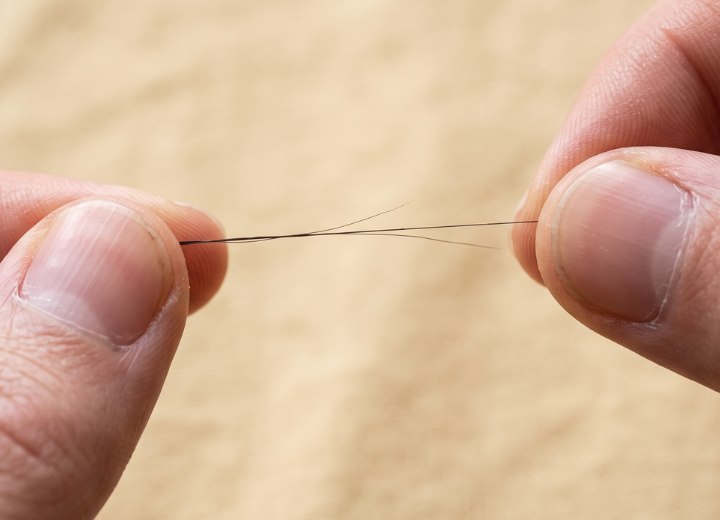
What You Can Do
• Bond-Building Treatments: Modern hair care has come a long way. Multi-step bond builders go beyond surface conditioning. They actually reform the broken disulfide bonds (the connections between cysteine amino acids in your hair) to temporarily rebuild elasticity from within.• Balance Moisture and Protein: Elasticity relies on a fine balance. Hair needs structural protein to prevent snapping, but it also needs internal hydration to bend without breaking. Using deeply hydrating conditioners alongside light protein treatments helps keep damaged hair pliable.
• Tender Love and Care: Reduce heat styling, switch to low-tension hairstyles, and get routine micro-trims to prevent split ends from traveling up the hair shaft.
We have to remember that our hair, much like our fingernails, is not living tissue. It is made of dead, keratinized proteins produced by the living follicles beneath the scalp. While treatments can improve strength and elasticity, true restoration comes down to protecting your locks while healthy hair grows in.
©Hairfinder.com
See also:
How to test the elasticity of your hair
What hair is made of and how it grows
How hair elasticity affects a haircut