Hair Coming Back
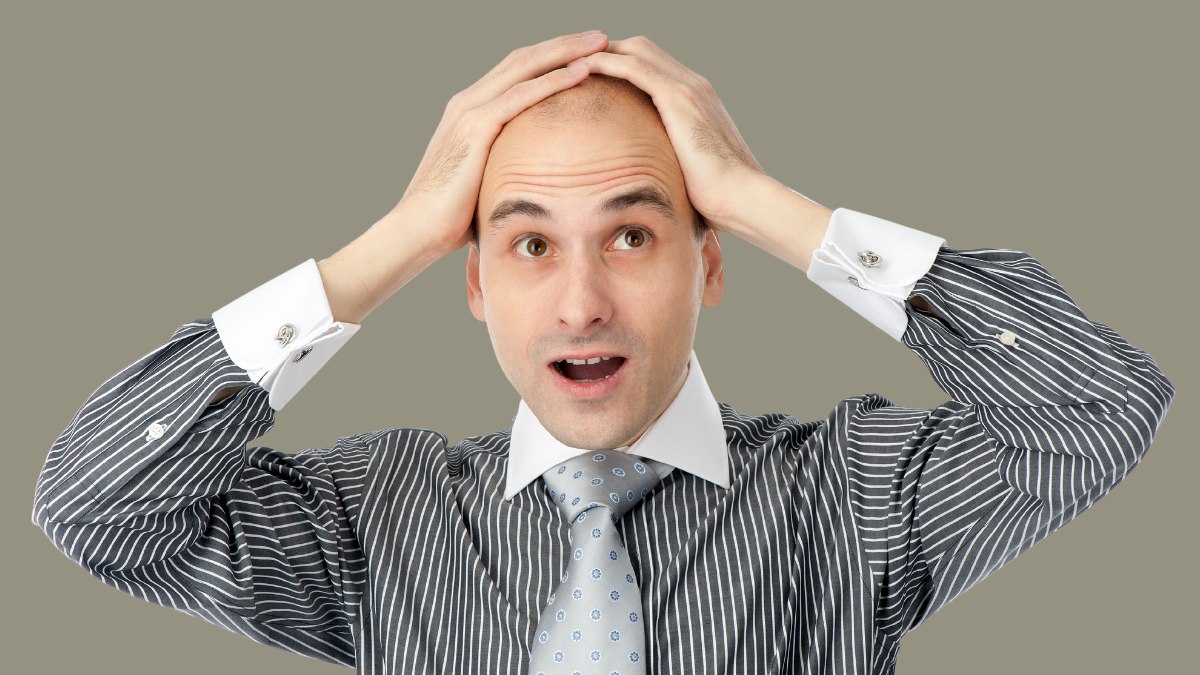
My question is: can hair actually grow back naturally on a bald head, and if so, is there anything I can do to encourage it?
The normal pattern of male hair loss (androgenetic alopecia, or male pattern baldness) is primarily driven by genetics and sensitivity to Dihydrotestosterone (DHT). This is an androgen hormone that shortens the hair growth cycle and gradually shrinks (miniaturizes) hair follicles. Over many years, these miniaturized follicles eventually stop producing visible hair and can become dormant or replaced by microscopic scar tissue.
Because of this, standard male pattern baldness does not spontaneously reverse on its own; especially after nearly two decades. True long-term baldness rarely heals itself. However, noticeable hair regrowth on a head you thought was permanently bald points to a few specific possibilities:
• It may not have been just typical pattern baldness: Conditions such as Alopecia Areata (an autoimmune form of patchy hair loss) or Telogen Effluvium (widespread temporary shedding triggered by severe stress, illness, or nutritional deficits) can cause hair to fall out and then surprisingly regrow months, or even years, later once the underlying trigger resolves. If you had one of these conditions on top of your standard hair loss, resolving it could bring back a noticeable amount of hair.
• Thickening of existing invisible hair: Sometimes, very fine, light vellus hairs (peach fuzz) that were still alive on the scalp can thicken up and gain pigment due to changes in local blood flow, shifts in hormones, or changes in your health. This gives the appearance of completely new hair popping up out of nowhere.
• Systemic or health changes: Regrowth or thickening can occur if you’ve recently recovered from a metabolic issue (like a thyroid imbalance), significantly improved your diet (e.g., correcting an iron, zinc, or vitamin deficiency), stopped a medication that was causing subtle shedding, or experienced a major shift in overall health.
Can you encourage it?
If the hair follicles are active and growing again, maintaining a balanced diet rich in protein, zinc, iron, and key vitamins, along with gentle scalp care, supports healthy growth. Proven clinical treatments like over-the-counter topical Minoxidil (Rogaine) can also help stimulate follicle activity and increase blood circulation if you choose to optimize and maintain this new growth.Next Steps:
That’s not to say you are suffering from any medical condition. I am not a physician and am not qualified to give medical diagnoses. But because sudden or unexpected bodily changes can sometimes reflect underlying hormonal shifts, health recoveries, or medication effects, it is a good idea to schedule a visit with your doctor or a dermatologist. Mention the noticeable hair reversal, along with any other recent changes in your diet, medications, or how you feel overall.This answer is intended for informational purposes only. For medical advice or a diagnosis, contact a doctor.
©Hairfinder.com
See also: Receding hair lines