Increased Ear and Nose Hair Growth
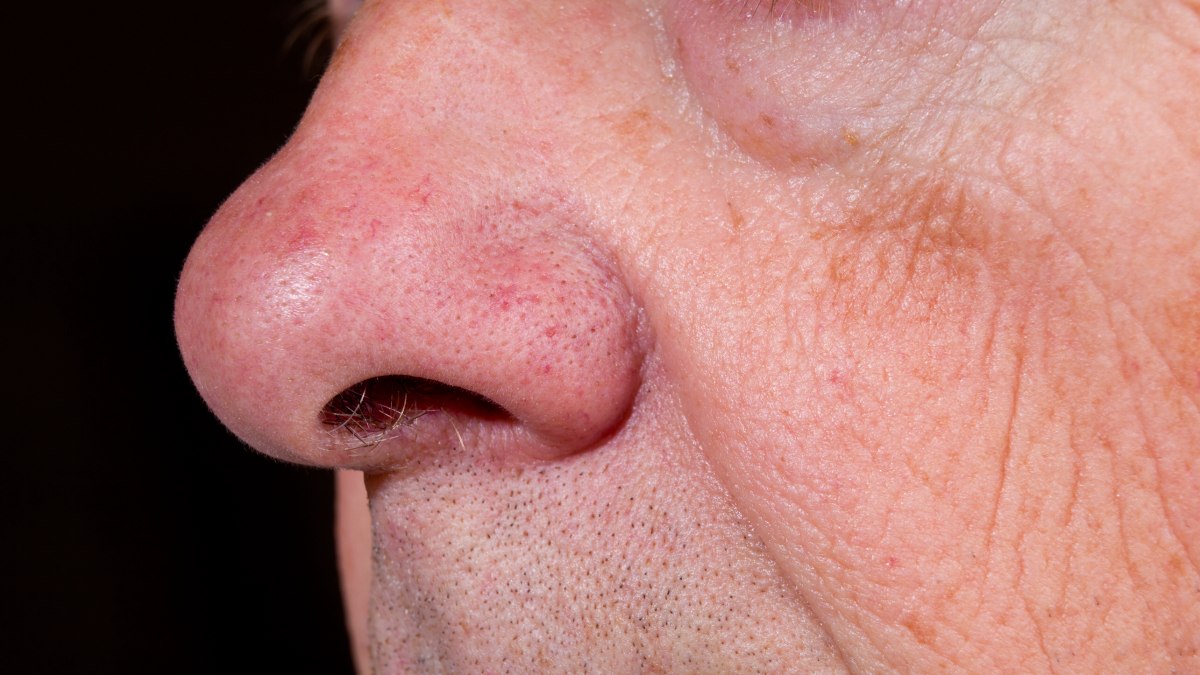
A: The increased growth of hair in the nose and ears among aging men is tied to the same underlying factor responsible for male-pattern baldness: the effects of the hormone dihydrotestosterone (DHT) and how individual hair follicles respond to it over time.
• On the scalp: In genetically susceptible individuals, cumulative exposure to DHT causes follicular miniaturization. Over time, these follicles shrink, producing finer, shorter hairs until they eventually stop producing visible hair altogether, resulting in male-pattern baldness.
• In the nose and ears: Hair follicles respond to DHT in almost the opposite way. Many of the fine, light-colored vellus hairs naturally present in these areas become thicker, darker, longer, and coarser under the influence of the hormone. Rather than shrinking, these follicles become more active, making the hairs increasingly noticeable with age.
The reason for these opposite effects lies in the unique biology of different hair follicles. Follicles in various parts of the body contain different numbers and types of androgen receptors and respond differently to hormones. While scalp follicles may be sensitive to DHT in a way that promotes hair loss, follicles in the nose, ears, beard, and chest are stimulated to produce more visible hair.
It is worth noting that this process is driven by long-term exposure and receptor sensitivity rather than an increase in hormone levels. While circulating testosterone and DHT levels actually decline gradually with age, decades of exposure trigger these changes in sensitive follicles.
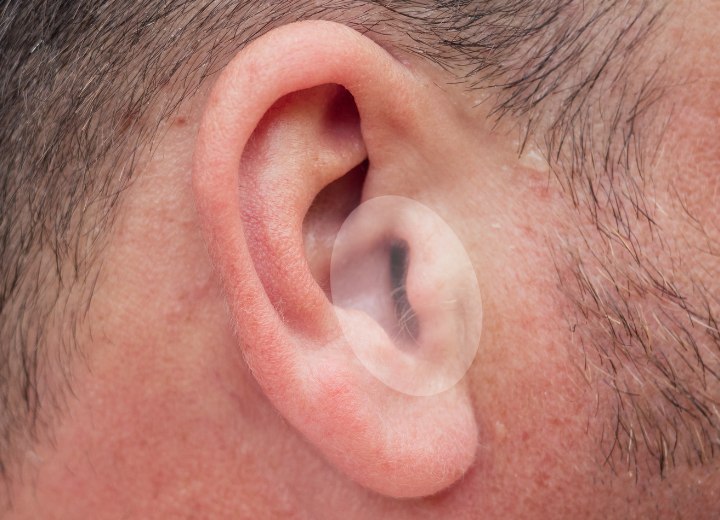
Genetics also plays a significant role. Inherited factors influence both baseline hormone sensitivity and receptor distribution. This explains why some older men develop very noticeable ear and nose hair while others see only minimal changes.
Age-related changes in the hair growth cycle also contribute. As the years pass, the active growth phase of certain body hairs lengthens before shedding occurs. Combined with hormonal influences, this causes ear and nose hair to grow longer and appear denser than it did earlier in life.
Although increased ear and nose hair growth is a normal part of aging for many men, the extent varies from person to person. Regular trimming is the safest way to manage excess hair. Remember that nose hair serves an important physical purpose by helping to filter out dust, allergens, and other particles before they enter the respiratory system.
©Hairfinder.com
See also:
How to remove ear hair
How to remove nose hair
Is it ok to remove nasal hair and what is the best way to remove nose hair?