Elderly Women and Hairstyles
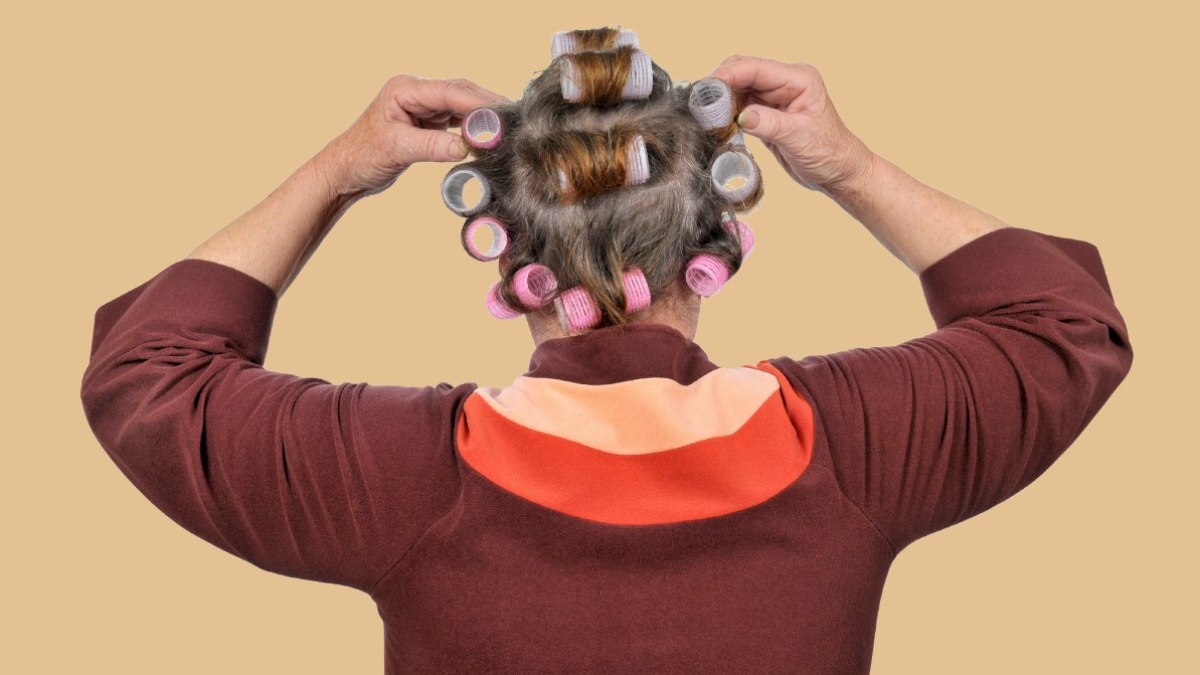
A: While I wouldn’t characterize any woman’s look in quite such uncharitable terms, the specific trends you are noticing - the structural, tight curls and the distinct blue, purple, or pinkish tints - are very common. Far from being accidents or a lack of upkeep, these hairstyles are actually a mix of generational fashion, deliberate styling choices, and clever practical solutions to the changes that happen to hair as we age.
1. The "Strange Color" is a Functional Hair Treatment
The pastel blue or violet tint you often see on elderly women is known as a "blue rinse."As hair loses its natural pigment and turns white or gray, it becomes highly porous and easily absorbs environmental pollutants, smoke, and minerals from hard water. This causes white hair to take on a dull, yellowish tinge. To counteract this, hairstylists use a diluted violet or blue toner. Because blue and yellow sit opposite each other on the color wheel, the blue neutralizes the yellow, making the hair look bright, clean, and silvery.
If the toner is left on a fraction too long, or if the hair is incredibly porous, it absorbs more pigment and results in a visible pastel blue or purple shade. For many women of that generation, this distinct tint became an intentional, stylized badge of elegance.
2. The Tight Perm Combats Thinning Hair
As women age, hormonal changes cause the hair to naturally become much thinner, finer, and flatter.A tight perm physically alters the structure of the hair to create artificial volume, body, and texture. What looks like a dense, tight "orb" is a deliberate technique to lift the hair away from the scalp, effectively concealing thinning areas or bare patches that would otherwise show if the hair were kept straight and flat.
3. Generational Trends and Comfort Zones
We are all deeply influenced by the fashion and grooming standards of our youth. The women sporting these styles today grew up in the mid-to-late 20th century (the 1950s through the 1970s), an era when highly structured, set, and lacquered hair was the height of fashion.Just as younger generations will likely stick to their own preferred styling habits as they age, many older women are simply maintaining the aesthetic standards and salon routines they mastered decades ago, surrounded by a peer group that shares the same style language.
4. Low-Maintenance Longevity
A structured, permed hairstyle is incredibly practical for someone with changing physical capabilities.As people age, conditions like arthritis or reduced shoulder mobility can make washing, drying, and styling hair every day difficult or painful. A tight perm allows a woman to visit a salon just once a week for a professional "wash and set." The structural integrity of the perm, held together by setting lotion or hairspray, ensures the hairstyle stays neat, voluminous, and presentable for seven full days with minimal daily brushing or effort at home.
©Hairfinder.com
See also:
The changing hair of aging women
Choosing hairstyles for elderly women
Why do so many women cut their hair shorter and get a perm when they get older?