Thicker Hair Growth
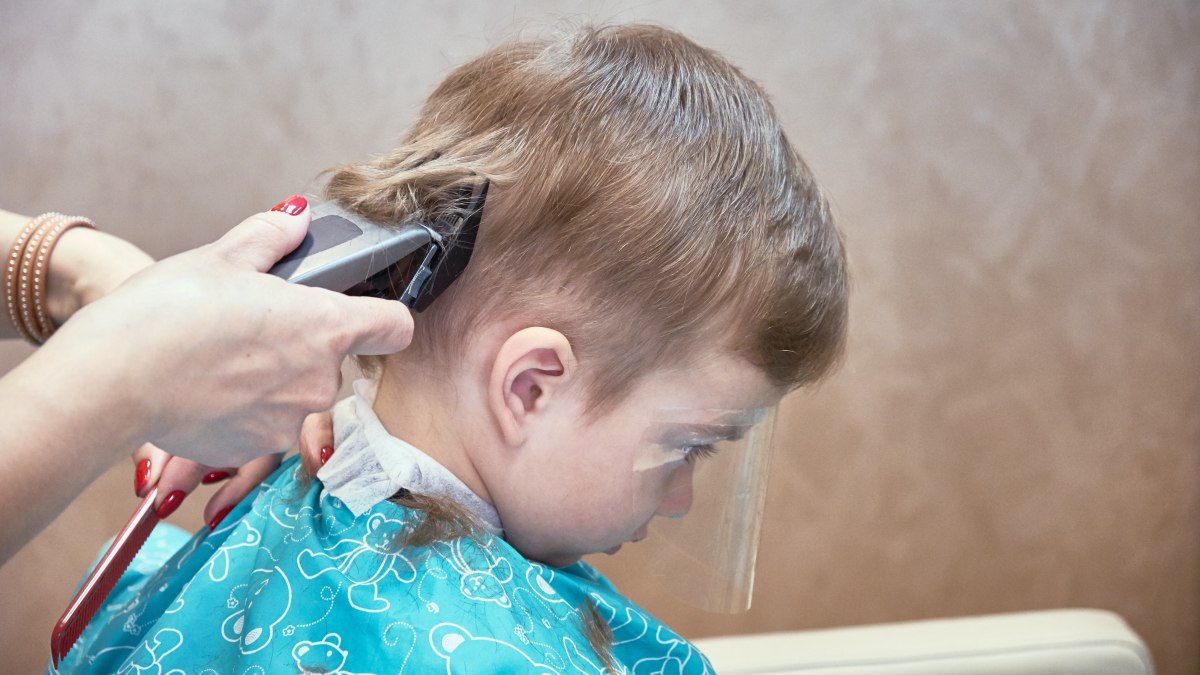
A: Your daughter is misinformed. There is no evidence, and there never has been any indication, that cutting or shaving hair causes it to grow back thicker, denser, or faster.
Why the Thicker Hair Myth Persists
One reason this myth has lasted for so long is that freshly cut hair genuinely feels different. When hair is cut very short, each strand is left with a blunt end instead of the naturally tapered tip that develops over time. As the hair grows out, those blunt ends can make it feel much thicker to the touch, even though the individual hairs have not changed in diameter. Likewise, when new hair is short, it stands more upright and can appear fuller than longer hair that lies flat under its own weight.Many people also believe that cutting hair can cause dramatic changes in growth patterns, density, or wave patterns because these changes often happen gradually. When hair is cut to a super-short length, the new growth may look noticeably different from the older hair, which was exposed to months or years of sunlight, styling, and everyday wear. This stark contrast creates the illusion that the haircut caused the change.
How Children's Hair Naturally Changes
Children’s hair naturally evolves as they grow. It is incredibly common for a child’s hair to become thicker, finer, straighter, curlier, lighter, darker, or even change in overall texture during infancy, childhood, and adolescence. These transitions are part of normal development and are heavily influenced by genetics and hormonal shifts, not by how often the hair is cut.For example, many babies are born with very fine hair that sheds during the first several months of life. The hair that replaces it may look and feel completely different. Similarly, a child with straight hair may gradually develop waves or curls as they get older, while another child’s hair may become darker or coarser over time.
The Reality of Shaving a Child’s Head
Another common misconception is that shaving a child’s head will encourage healthier or stronger hair growth. In reality, shaving does not improve the health of the hair follicles or increase the number of hairs that grow. The hair simply grows back from the exact same follicles, at the exact same rate it would have if it had been left completely alone.©Hairfinder.com
See also:
What is hair made of and how does it grow?
Will trimming the ends of a child's hair encourage growth?
Does short hair grow faster than long hair?