Replacement of a Shed Hair
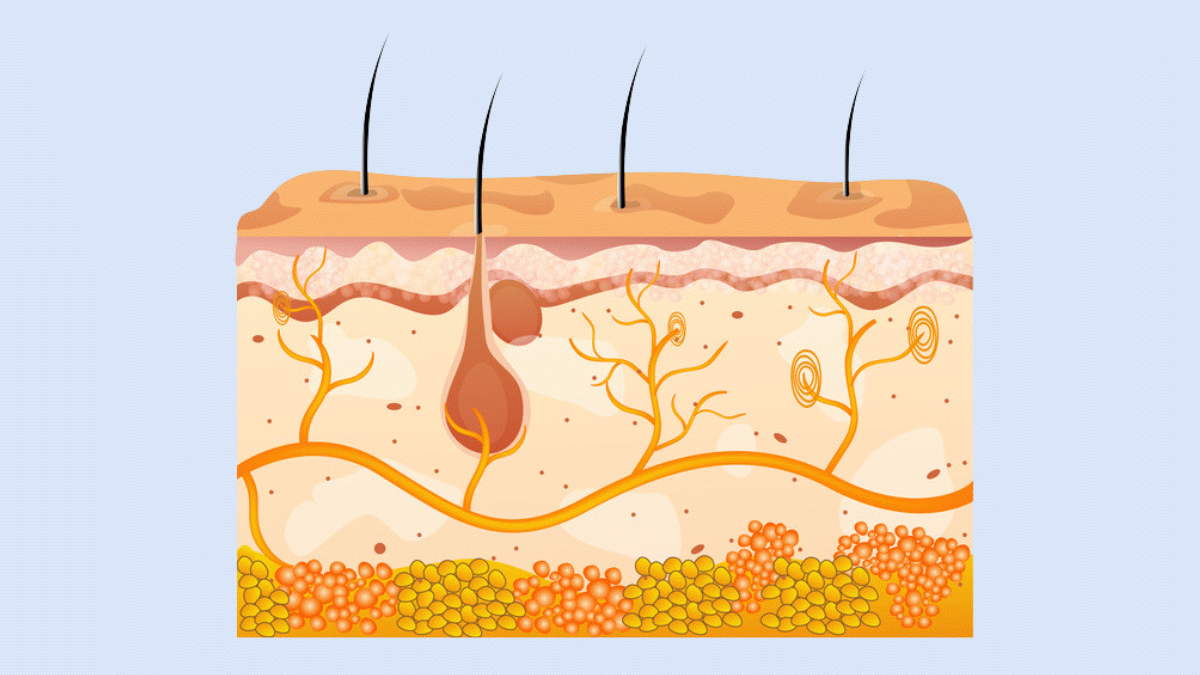
A: Under normal circumstances, each hair follicle goes through a cycle with four distinct phases.
The catagen phase is a short transitional stage following anagen. The follicle stops producing hair, detaches from its blood supply, and the lower portion shrinks. This phase lasts one to two weeks, with only about 1 percent of follicles in catagen at a time.
The telogen phase is the resting phase, lasting roughly two to three months. The hair remains anchored while the follicle rests. About 9 to 10 percent of hair is in this stage.
Following telogen is the exogen phase, the shedding phase. This is when the old hair shaft detaches completely and falls out, either spontaneously or pushed out by a new hair growing beneath it.
What happens after a hair sheds?
Once a hair sheds at the end of exogen, the follicle is usually already transitioning back into the early anagen phase. However, a follicle can sometimes sit empty in a dormant latent phase (kenogen) for 2 to 5 months before starting new growth.Once a new hair begins to grow from the base of the follicle, it takes about 4 to 8 weeks to work its way up the follicle tract and break through the scalp surface. From there, because hair grows about half an inch (1.25 cm) per month, it can take 3 to 6 months to notice visible stubble, and 12 to 18 months for those new hairs to reach enough length to contribute significantly to your overall hair density.
Your specific situation
In your case, the previous episode of iron deficiency triggered telogen effluvium, causing a large wave of follicles to prematurely enter the resting phase together.• The Iron Buffer: Hair follicles require ferritin levels to be consistently restored before they resume normal cycling.
• The Lag Time: Even after your iron levels normalize, there is a built-in 3 to 6 month lag before shedding stops, followed by another 6 to 12 months for density to noticeably rebuild.
Layering a routine seasonal fall shed on top of a recovering case of telogen effluvium will temporarily make your hair look much thinner, but the follicles themselves are intact. Provided your iron stores remain optimal, those empty follicles will re-enter anagen and produce new hair.
Because your hair loss was associated with iron deficiency, your doctor or dermatologist is the best person to confirm that your ferritin stores are fully optimized for hair regrowth and to rule out any overlapping factors.
This answer is intended for informational purposes only. For medical advice or a diagnosis, contact a doctor.
©Hairfinder.com
See also:
Hair loss
How fast hair grows
What hair is made of and how it grows