Razor Cut and Scissors Cut
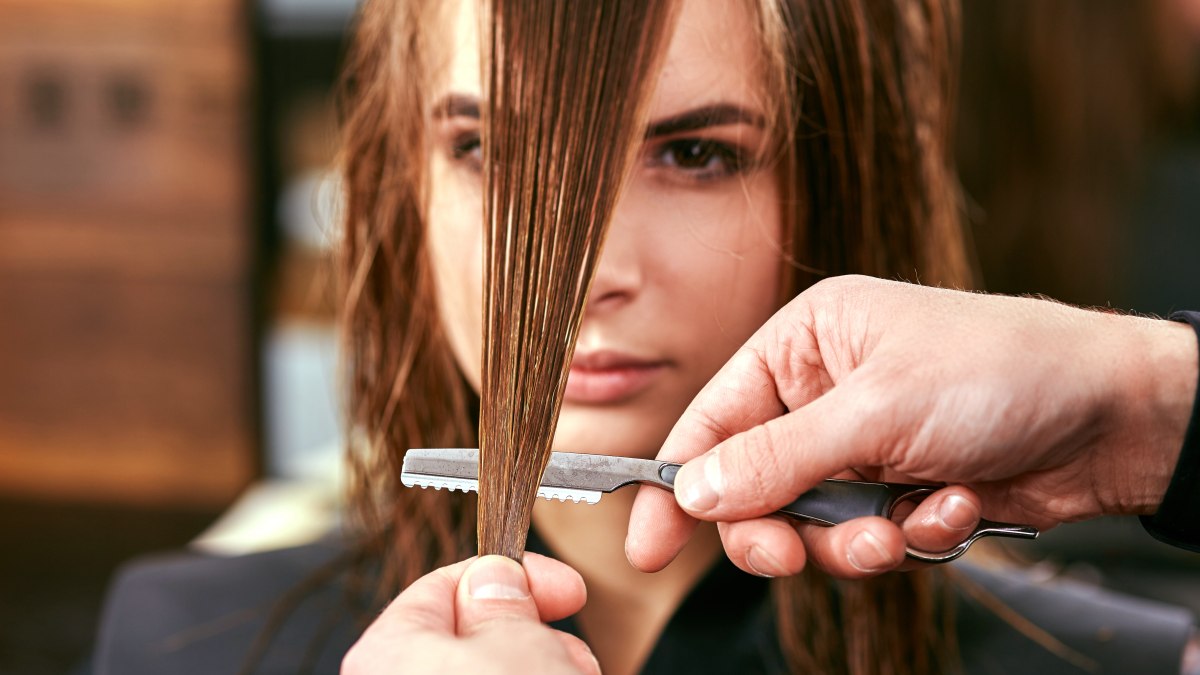
A: Yes. There is a difference between a razor cut and a scissors cut. While the differences in technique are obvious to the stylist, clients will notice a clear difference in how their hair looks, feels, and styles day-to-day.
Stylist’s Techniques
For the stylist, razor cutting and scissor cutting involve two very different techniques. The hair is held differently, the tools are used in different ways, and each method requires its own cutting motions and level of skill.Mastering razor cutting takes practice because the blade removes hair differently than scissors, allowing the stylist to create texture and softness with each stroke. And razor cuts must always be performed on wet hair using a fresh, sharp blade to avoid pulling, tearing, or splitting the hair shaft. Scissors, on the other hand, offer the flexibility to cut hair either wet or dry.
Some stylists prefer working almost exclusively with scissors, while others enjoy the versatility of a razor. Many experienced stylists are comfortable using both tools and will choose the one that best suits your hair type and the hairstyle you want. Many modern haircuts combine both techniques. The basic shape is often created with scissors, and then a razor is used to soften the edges, remove bulk, or add texture where needed.

What Clients Notice
For the client, the biggest difference is the finished look and how the haircut behaves as the hair grows out. Razor cuts typically create a softer, smoother appearance with lighter, feathered ends. This technique is especially popular for shag cuts, layered bobs, curtain bangs, and styles that are meant to have plenty of movement.Good to know: Because razor cuts taper the hair shaft toward the ends, they often require more frequent trims to prevent the hair tips from fraying.
Scissor cuts, on the other hand, generally produce cleaner, more precise lines. Because scissors cut straight across the hair shaft to create a blunt edge, they are often the preferred choice for classic bobs, geometric cuts, and any hairstyle where sharp cutting lines are important. A scissor cut can also make the hair appear thicker and fuller because the ends remain more solid and hold structure longer as the hair grows out.
The Right Method for Your Hair Type
Your hair type and texture also play a major role in determining which cutting method is best:• Ideal for Razor Cutting: Straight to medium-wavy hair that is medium to thick in density. It is excellent for carving out bulk and creating wash-and-go movement.
• Avoid Razor Cutting: Tightly curled or coily hair. Razors disrupt the natural curl pattern and lead to intense frizz. Extremely fine, dry, chemically damaged, or low-density hair should also avoid razors, as tapering the ends further can make the hair look thin and make it prone to split ends.
• Ideal for Scissors: All hair types, but especially tight curls, fine hair, or damaged hair where controlled tension, structure, and healthier ends are essential.
©Hairfinder.com
See also:
Who should get razor cuts and who should not?
How to use a razor tool
Hair cutting techniques