Radiation Therapy & Hair Straightening
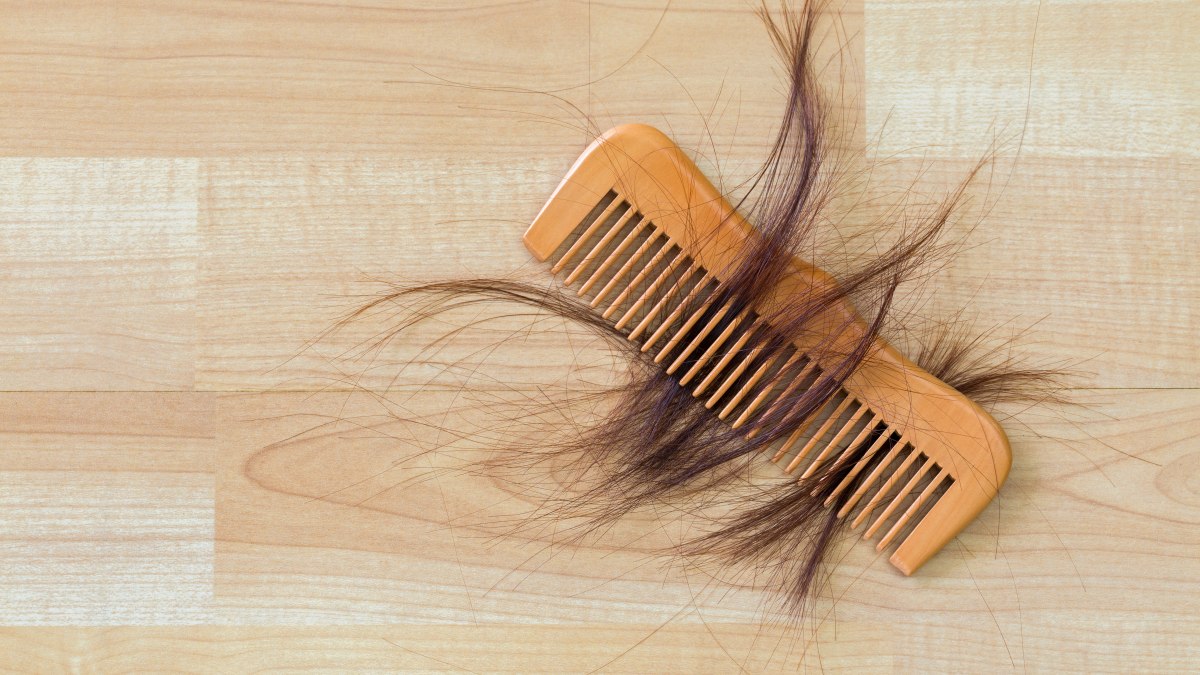
I would love to get my salon-colored hair professionally straightened, but I'm afraid it might fall out in the irradiated area. I know you can't predict the future, but I am curious to get your opinion. If it were your hair, would you?
A: Having seen the effects of cancer treatments on my sister, my aunt, and my best friend's mother, there is little that would surprise me when it comes to the different ways people can react to cancer treatments.
As I understand it, hair can respond in a variety of ways to radiation therapy, depending on the individual, the dose of radiation, and the area being treated. Radiation can damage the hair follicles enough to cause permanent hair loss, but at lower doses the follicles may recover and hair can grow back. The new hair may sometimes be thinner, finer, or otherwise different in texture or color from the hair that was there before.
So yes, I have heard of hair growing back after radiation and then later becoming thinner or falling out again. Radiation can cause long-term, subtle damage to the tiny blood vessels supplying the scalp, which over time can weaken the follicles and lead to delayed thinning.
However, I wouldn't automatically assume that a new episode of hair loss decades later is necessarily caused by the original radiation. There are many other common causes, and a dermatologist who specializes in hair disorders can examine the scalp to help determine what is actually happening.
Scalp Health and Chemical Straightening
As for having your hair professionally straightened: Even though your radiation treatment was decades ago, the passage of time by itself doesn't guarantee that the previously irradiated follicles and scalp skin have fully returned to normal. Radiation can permanently alter skin elasticity and blood supply in that area, leaving the scalp more delicate and less capable of healing.The fact that your hair has tolerated professional coloring is encouraging in the sense that your hair shaft has tolerated that particular chemical process, but it doesn't tell us for certain how the underlying follicles or scalp will respond to a chemical straightening treatment. Straightening products are much more aggressive than standard dyes. They can cause significant scalp irritation or chemical burns, and they break down the structural bonds of the hair, making it prone to breakage. On previously irradiated skin, a bad reaction or chemical burn can take much longer to heal and could lead to permanent scarring and hair loss.
Recommended Steps Before Proceeding
If it were my hair, I wouldn't automatically rule out having it professionally straightened, but I also wouldn't rely on the fact that many years have passed or that I've been able to color my hair as proof that it is safe. I would first have the previously irradiated area looked at by a dermatologist, preferably one with experience in hair and scalp disorders.If the scalp looks healthy and the dermatologist doesn't see a reason to avoid the treatment, I'd then have an experienced stylist evaluate the condition of the hair before proceeding. I would probably choose the gentlest appropriate straightening method (or consider non-chemical alternatives like professional heat styling with proper heat protectants) and make sure any chemical product isn't applied directly to or rubbed into the scalp.
A strand test would be a vital step. It can give your stylist useful information about how your hair shaft will react to the chemical service. Just keep in mind that a strand test only evaluates the hair itself. It can't guarantee that the underlying scalp and hair roots will tolerate the treatment.
I would be especially cautious if the hair in the irradiated area is already unusually thin or fragile or if the scalp in that area is prone to irritation. In that situation, I'd definitely skip chemical straightening altogether.
This answer is intended for informational purposes only. For medical advice or a diagnosis, contact a doctor.
©Hairfinder.com
See also:
Chemotherapy and hair loss
Can you have a permanent when you are having radiation and chemotherapy?
Is a home perm safe, 2 years after radiation?