Contaminated Scissors & Fungal Infections
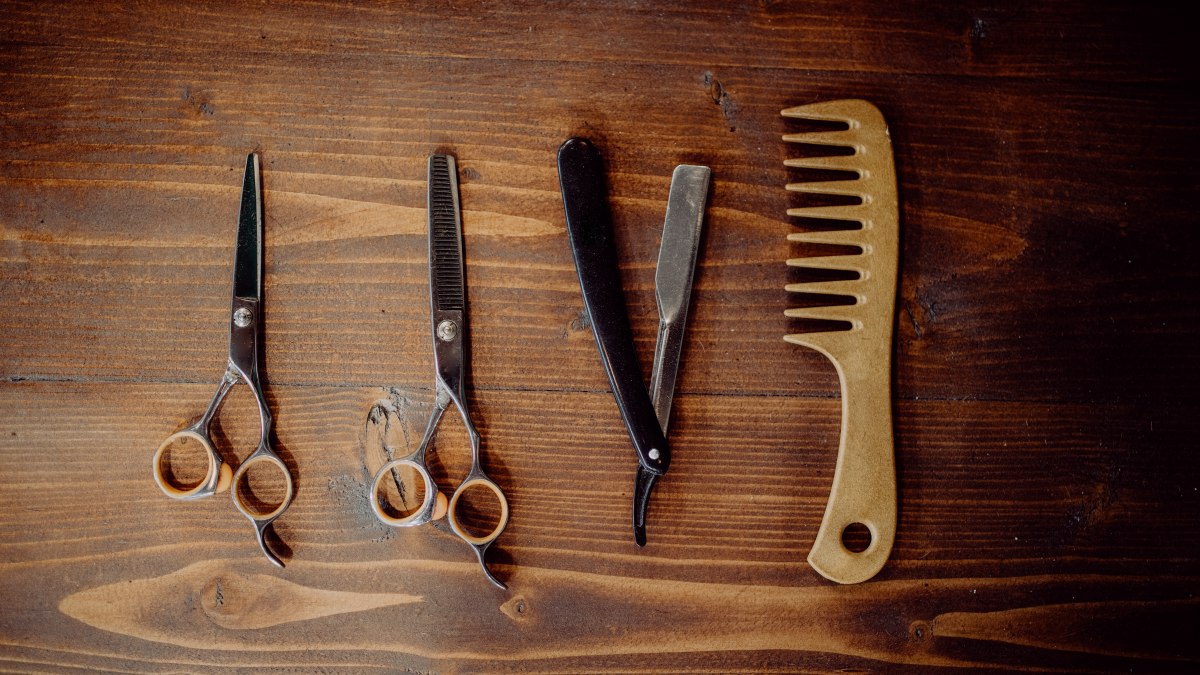
A: It is possible to contract a fungal infection from contaminated scissors, clippers, or combs. However, most professional salons are bound by strict state or local licensing board requirements to sanitize tools in hospital-grade disinfectant between every client, keeping the overall risk low.
Alternative Causes to Consider
A fungal infection is only one of several possibilities for what you are experiencing. Other possibilities are:• Contact Dermatitis or Irritation: Professional-strength shampoos, toner sprays, or styling products can strip the scalp's natural lipid barrier or trigger an acute allergic response.
• Neuropathic Sensitivities: The crawling sensation or tingling on your upper back and scalp often points to nerve irritation, heightened skin sensitivity, or stress-induced nerve responses rather than a spreading fungus.
• Underlying Scalp Conditions: Scalp sensitivity, eczema, or early-stage psoriasis can produce intense itching before visible patches appear.
Recommended Next Steps
If you are concerned about an infection, schedule an appointment with your doctor or a dermatologist. They can perform a physical evaluation, wood's lamp test, or scalp swab to identify the exact cause and prescribe the correct targeted method.In the meantime, refrain from scratching to avoid breaking the skin and introducing secondary bacterial infections. Stick to gentle, fragrance-free shampoos, hold off on heat styling, and avoid trying harsh over-the-counter medicated shampoos until a doctor evaluates you.
If a doctor confirms a fungal diagnosis and suspects salon transmission, you should inform the salon management so they can audit their sanitation protocols. However, it is best to avoid jumping to conclusions beforehand. Sudden sensitivities to product ingredients or environmental factors can develop overnight, even with products you have used for years. Keep an open mind and let a doctor guide your next steps.
This answer is intended for informational purposes only. For medical advice or a diagnosis, contact a doctor.
©Hairfinder.com
See also:
Hair diseases
Hair salon sanitation guidelines
Occupational diseases among hairdressers