Extensions & Special Brush
A: The condition of your natural hair must be the absolute first consideration. If the breakage was caused by highlighting, your hair is severely compromised and fragile in that area. Extensions add weight and tension, so placing a standard extension system onto already damaged strands risks snapping them entirely. A qualified specialist must examine the hair first to determine if it can safely support any hair extensions.
For localized damage, lightweight micro-tape-ins (which spread weight across a wider strip of hair without heat) or temporary clip-ins are usually safer options while your natural hair recovers. Extensions do not repair hair, they merely cover damage, and improper application can compound the problem.
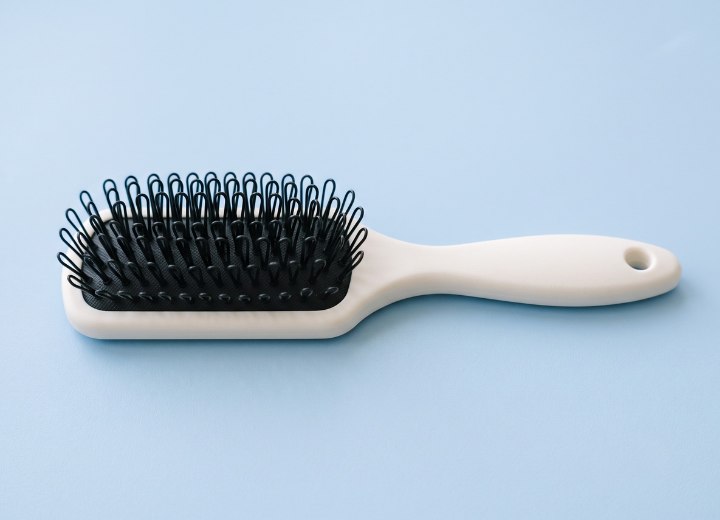
As for the special brush, it is absolutely necessary. Standard hairbrushes feature round, ball-tipped bristles that catch on attachment points, ripping out bonds along with your natural hair. Extension brushes use soft boar bristles or looped nylon bristles that slide smoothly over attachment zones without snagging.
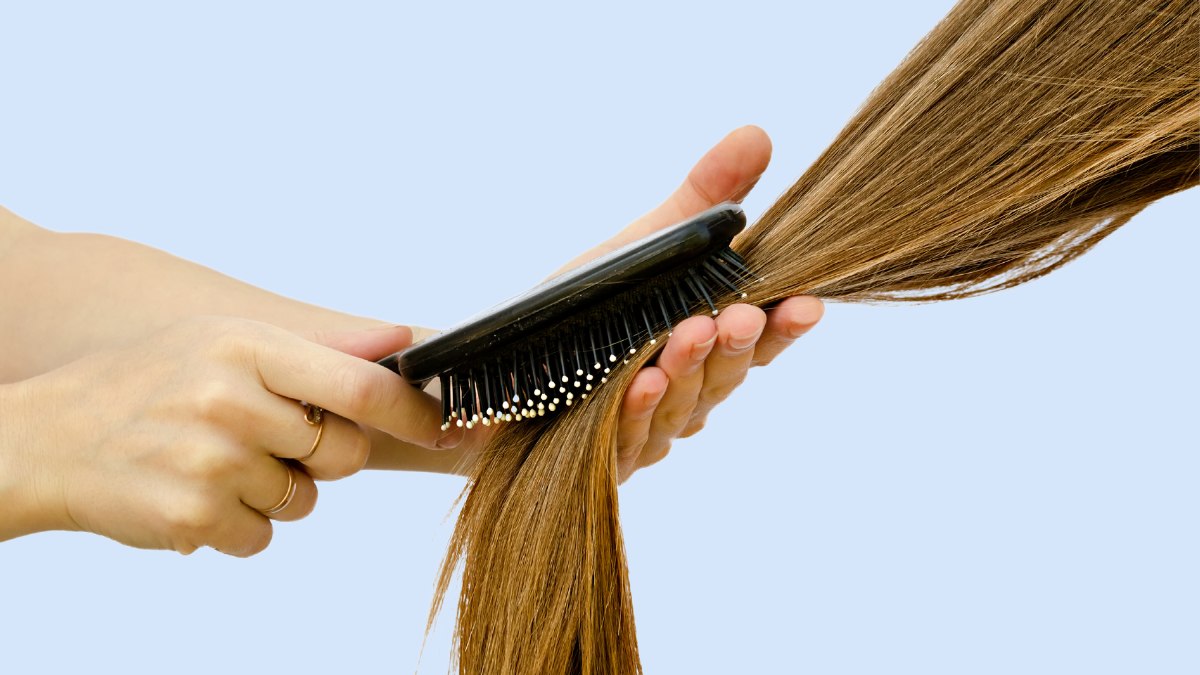
The brushing technique is equally vital: always work gently from the ends upward while firmly holding the hair near the root. Supporting the base isolates tension so your brushing force does not pull directly on the attachments.
Buying the recommended brush protects your service guarantee. Most professional salons explicitly void their warranties or complimentary correction policies if you decline their recommended home-care tools. Keep your receipt and written aftercare instructions so the salon cannot attribute any premature shedding or bonding issues to improper home care.
©Hairfinder.com
See also:
Cold fusion hair extensions
How to choose a good hairbrush
Hair combing and brushing basics