Menopause and Frizzy Hair
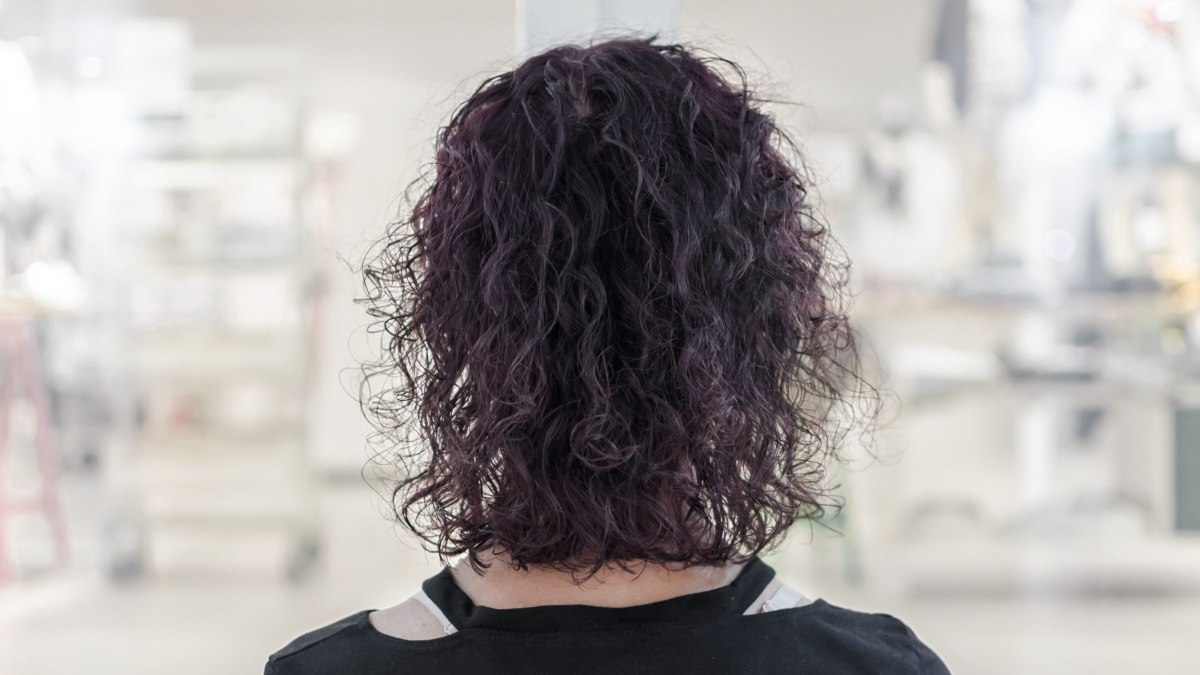
The best way to prevent frizz is to seal the cuticle layer against the penetration of moisture. Increased perspiration caused by hot flashes can make frizz worse, but it is not an insurmountable problem.
Menopause itself can also affect the condition of your hair. As estrogen levels decline, many women notice changes in hair texture. Hair may become drier, more porous, or less elastic than it was before. Curly hair is naturally more prone to dryness because the scalp's natural oils have a harder time traveling down the bends of the hair shaft. During menopause, this dryness can become even more noticeable, making curls more susceptible to frizz.
Using a moisture-rich, sulfate-free shampoo and conditioner formulated for smooth, silky hair is an excellent place to start. Look for products that provide hydration without weighing the hair down. After washing, gently squeeze excess water from your hair with a microfiber towel or a soft cotton T-shirt rather than rubbing it, as friction will rough up the cuticle and cause more frizz.
Apply a smoothing serum or leave-in conditioner to towel-dried hair while it is still damp. This helps lock in moisture. If you blow-dry your hair, always use a diffuser on a low or medium heat setting. A diffuser helps preserve your curl pattern. Excessive heat can dry the hair even further, so keeping the temperature moderate is important.
To finish your style, look for a flexible anti-humidity styling cream or lightweight hair oil rather than heavy, traditional wax pomades. Wax-based pomades can create heavy buildup on curly hair that requires harsh shampoos to remove. Instead, a light coating of a water-based anti-humidity gel or a non-comedogenic oil (like argan or jojoba) will seal the cuticle and block excess moisture without weighing down your curls or drying them out.
©Hairfinder.com
See also:
Menopausal changes in the hair
How to make curly hair resist humidity
Will my extremely curly hair grow straight with the onset of menopause?