Wavy Hair Falling Flat

I don't want crunchy, stiff hair, but I would like my waves to stay defined and bouncy all day. Can you give me any suggestions on how to keep the wave looking fresh from morning until evening?
The first things to look at are the steps you take to style the hair. The products you use, the order in which you apply them, and the way you dry your hair all play an important role in how well your waves hold their shape.
1. The Styling Routine
After shampooing and conditioning, detangle your hair with a wide-tooth comb while it is still soaking wet. Instead of towel-drying first, apply your styling products to soaking wet hair. Use a lightweight, strong-hold spray gel or mousse from the roots to the ends, glazing it over the hair and gently scrunching upward. Applying product to wet hair helps lock in moisture and keeps your natural wave clumps intact.Once the product is evenly distributed, use a microfiber towel or an old cotton t-shirt to gently squeeze and blot out the excess moisture. Avoid rubbing the hair vigorously, since this can rough up the cuticle and encourage frizz. If your hair tends to flatten quickly at the roots, you can clip a few hair rollers near the crown for added support while drying.
2. Drying Techniques
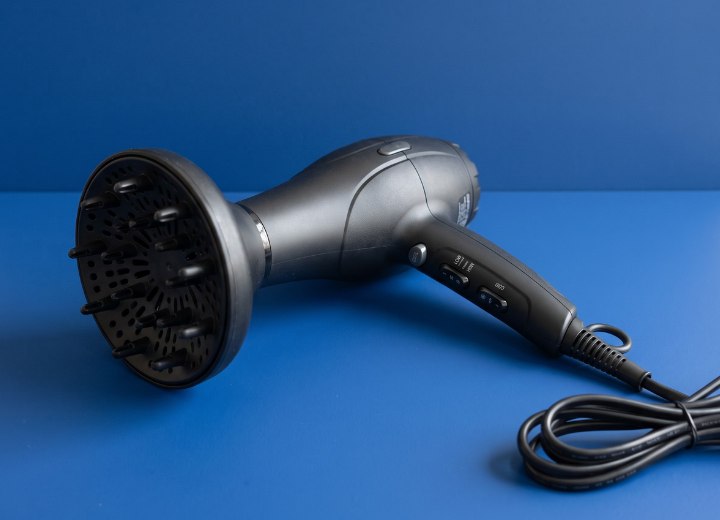
Dry your hair with your head inverted using a blow dryer fitted with a diffuser attachment until the hair is mostly dry. Drying upside down helps lift the roots away from the scalp, creating more volume that can last throughout the day. The diffuser also minimizes disturbance to the natural wave pattern while encouraging definition.You may need to avoid completely blow-drying the hair if you find that doing so causes frizz. Instead, stop when the hair is about 90 to 95 percent dry and allow it to finish drying naturally.
3. Setting and Refreshing
Once the hair is completely dry, you may notice a slight stiffness or cast from the gel. Simply scrunch your hair gently with dry hands to break the cast, revealing soft, touchable waves. To set the style, you can use a fine-mist, flexible-hold hairspray.Resist the temptation to brush or comb your hair after it has dried, since this will stretch out the wave and turn it into a cloud of frizz. If you need to refresh your style later in the day, simply mist your hands lightly with water or a wave-refreshing spray and gently scrunch the hair again.
4. Product Selection
Another factor to consider is the weight of the products you're using. Heavy creams, raw oils, and rich leave-in conditioners can weigh thick hair down, especially if your hair has a looser wave pattern.If your waves lose their bounce quickly, try replacing heavier styling products with lightweight mousses, foams, spray gels, or texturizing sprays that provide hold without adding excess weight.
5. The Right Haircut
If you continue to have problems with your style falling flat, you might consider talking to your stylist about adding strategic layering to your haircut, such as long internal layers. This removes bulk and weight from the bottom of your hair, allowing your waves to spring up into their natural pattern more easily.Avoid letting a stylist use thinning shears on your waves. Thinning shears cut hairs at random lengths, which chops up your wave clumps, creates frayed ends, and significantly increases frizz. A proper layered cut will reduce bulk safely without making the ends appear thin or uneven.
Every head of wavy hair behaves a little differently. You may need to experiment with different combinations of styling products and drying techniques before finding the routine that works best for your hair type.
©Hairfinder.com
See also:
How to blow dry hair
How to use a diffuser