Hair Cutting Angles
Q: Is there a certain angle I need to focus on when cutting hair?
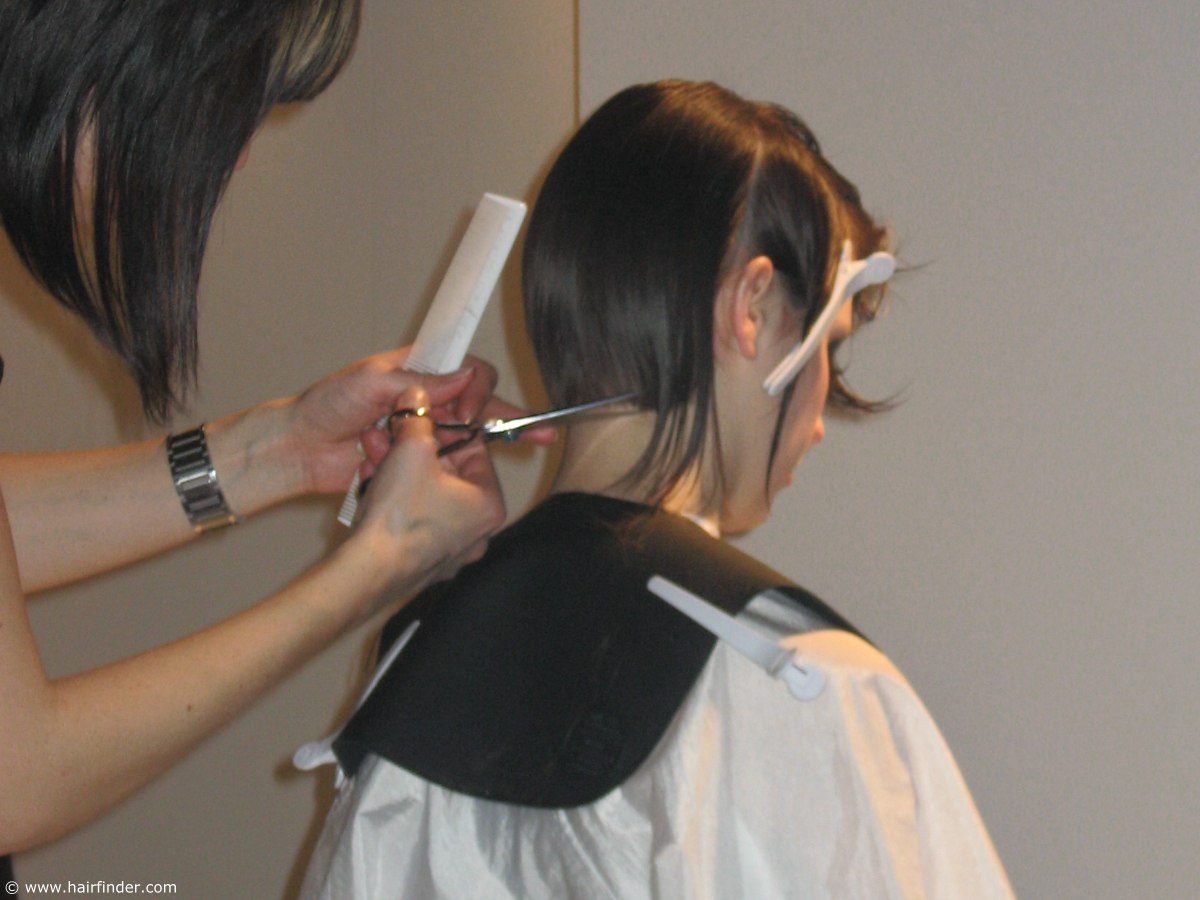
A: When people ask about the angle in hair cutting, they are usually looking for a single rule to follow. A rule like cutting at a 45-degree angle for graduation or 90 degrees to cut layers. However, hair cutting is a three-dimensional process. This means precision depends on controlling several variables simultaneously rather than focusing on a single angle.
• The position of the client’s head. Place the client's head in a position that helps you create the style you want to cut. While keeping the head straight and upright is often useful, the client’s head may need to be tilted, turned, or otherwise repositioned during a haircut to achieve the desired result.
• The position of your body. Position yourself so that you have a clear view of the section you are cutting and can work comfortably with your hands, tools, and guideline. Your position may change as you move around the client’s head and work through different sections.
• Hair Elevation. Hair elevation refers to how far a section of hair is lifted away from the head before it is cut. Raising or lowering the hair affects the distribution of weight and the amount of layering created. Different elevations are used to create different shapes and effects.
• The cutting line angle. The position of your fingers and the cutting line you establish relative to the parting can affect the shape, length, and graduation of the haircut. This should be considered separately from elevation, which describes how far the hair is lifted from the head.
• Overdirection. This means pulling a section of hair away from where it naturally hangs (shifting it forward, backward, or toward the sides). Dragging hair out of its natural fall allows you to keep extra length and weight in specific areas. It is an important part of controlling the final shape of a haircut.
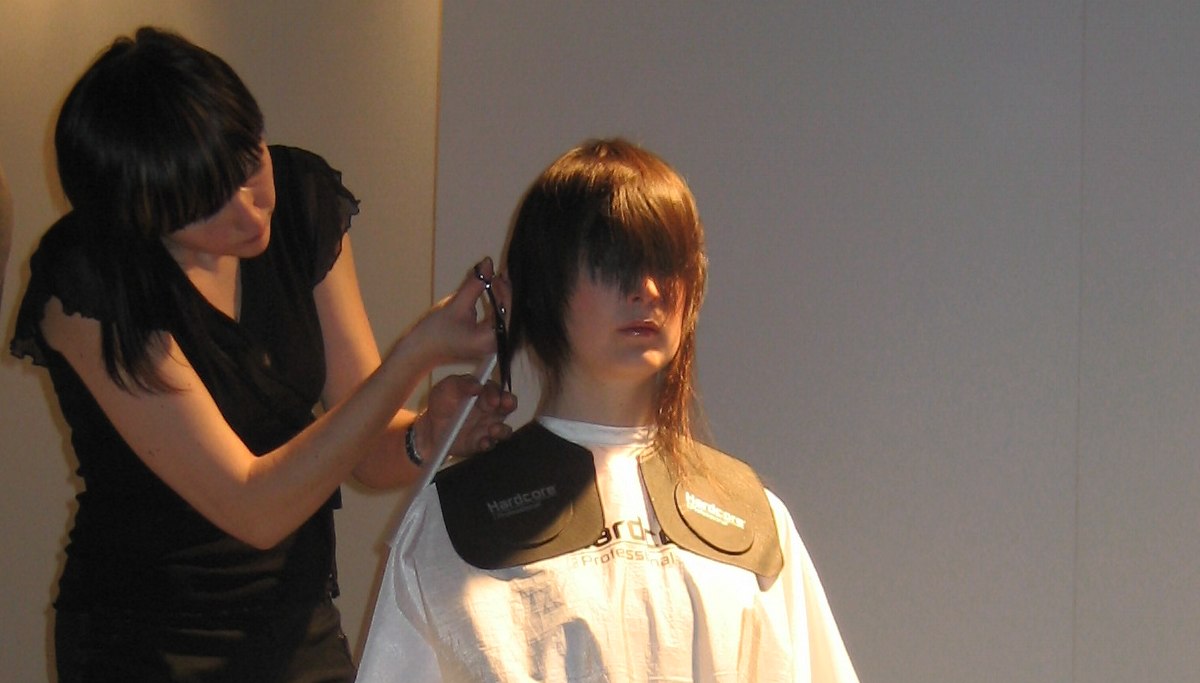
You need to keep all of these factors in mind because changes in head position, body position, elevation, overdirection, or cutting line during a haircut can alter the final result. Even a tiny change can affect the haircut.
If you leave a section too long, it can generally be corrected by removing additional length. However, if a section is cut too short, you cannot put that hair back. Fixing the mistake may require cutting the surrounding hair even shorter to create a balanced result, which can leave the client with a shorter haircut than requested.
Stylists often forget to pay attention to their own body position, but it directly affects accuracy. Proper positioning gives you a better view of the section and guideline, helps you maintain consistent elevation and tension, and allows you to work with greater control and accuracy. Poor positioning can make it more difficult to maintain the other factors consistently and can increase the risk of an uneven cut.
Great haircuts do not come from focusing on one angle. A successful haircut depends on coordinating head position, stylist position, elevation, overdirection, and the cutting line. Consistency across all these factors is what allows you to achieve the intended shape and length.
©Hairfinder.com
See also:
Angles and elevations for hair cutting
How to cut hair
Anatomy of the head