How Often to Color Your Hair
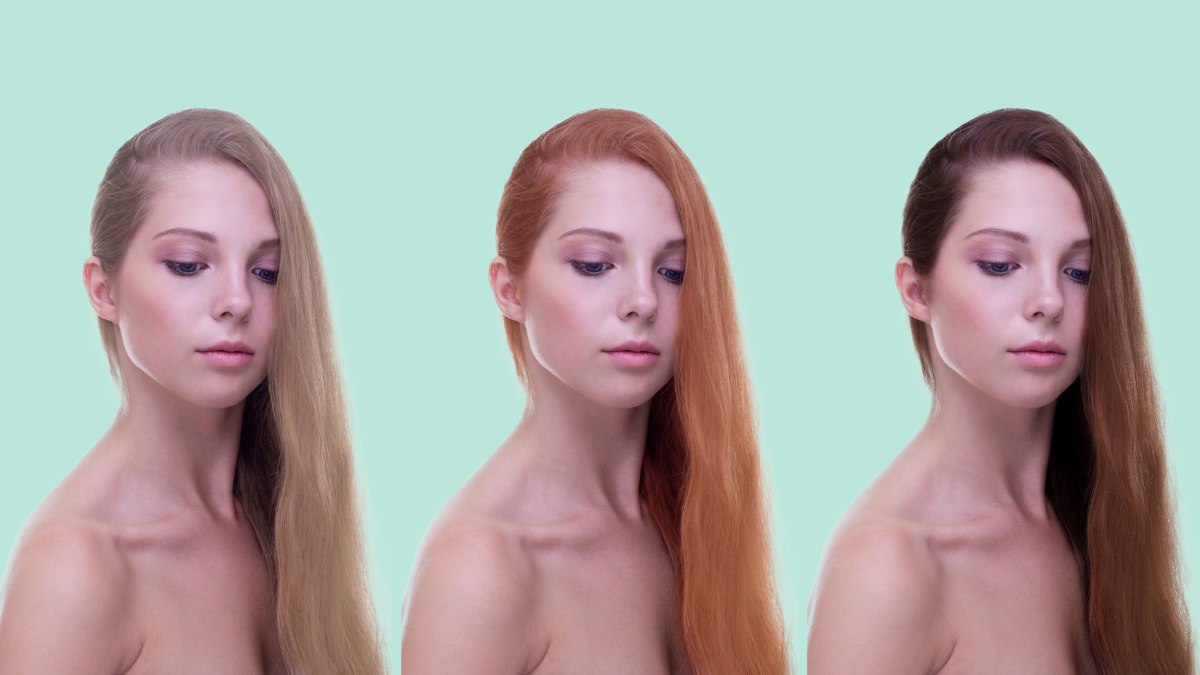
A: Coloring your hair every six months is a very gentle, low-maintenance schedule that keeps your hair well within safe limits. Professional hair colorists generally suggest coloring your hair every 4 to 8 weeks, but it is important to treat these numbers as flexible guidelines rather than strict rules.
Industry Standards by Color Type
Because different types of hair dye interact with your hair’s internal structure in different ways, each type comes with its own recommended timeline.• Bleach & Lighteners (Wait 6 to 10 weeks): Bleaching works by breaking down the internal chemical bonds of your hair shaft to strip away its natural pigment. This process carries the highest risk of structural hair damage. Only apply bleach to new growth and never overlap onto previously bleached hair, because overlap can cause severe weakening of the hair and breakage.
• Permanent Color (Wait 4 to 8 weeks): Permanent dyes open the outer layer of your hair using ammonia or similar alkaline ingredients to deposit pigment inside the hair shaft. To avoid dryness and split ends, apply permanent dye only to new uncolored roots during touch-ups. If needed, refresh the ends of your hair with a milder formula instead.
• Demi-Permanent Color (Wait 4 to 6 weeks): Demi-permanent dyes use low-strength developers to deposit color slightly under the outer layer of your hair without lifting natural pigment. They fade gradually over 12 to 24 washes and carry low damage risk. This makes them great for toning or refreshing faded lengths.
• Semi-Permanent Color, Glosses & Toners (Wait 3 to 4 weeks): These products deposit color strictly on the outer layer of your hair without using ammonia or peroxide. They carry very low damage risk and can be used frequently to restore shine and fresh tone.
• Temporary Direct Dyes (Use as often as you like): Temporary colors use large dye molecules that rest entirely on the surface of your hair and wash out in 1 to 3 shampoos. Because they contain no chemical activators, they cause zero structural damage and can be used as often as desired.

Your Hair’s Health
Rather than following a rigid schedule, pay attention to the condition of your hair to decide when it is safe to color again.• Warning signs: If you notice increased elasticity when wet, hair that snaps easily, split ends, or severe dryness, pause all chemical treatments immediately, even if your usual 4 to 8 weeks window has already passed.
• Supportive care: Use bond-repairing treatments and deep-conditioning masks between your color appointments to keep your hair strong and well-hydrated.
• Customize your routine: Healthy, low-porosity hair can usually handle shorter waiting periods, while hair that is prone to damage requires longer intervals between coloring processes.
Beneficial for Oily Hair?
Coloring is not a solution or treatment for an oily scalp. The oil on your head comes from the sebaceous glands located inside your skin, and hair dye cannot slow down or stop oil production.However, chemical dyes temporarily swell and roughen the surface of your hair strands while soaking up surface oils. This rougher texture makes it harder for natural oils to slide down your hair shaft. Because of this, your hair may be less greasy for a short while after coloring, even though your scalp is still producing the exact same amount of oil.
©Hairfinder.com
See also:
Signs of hair damage
Solutions for oily hair
How many times can you bleach your hair in a year?