The flammability of hair
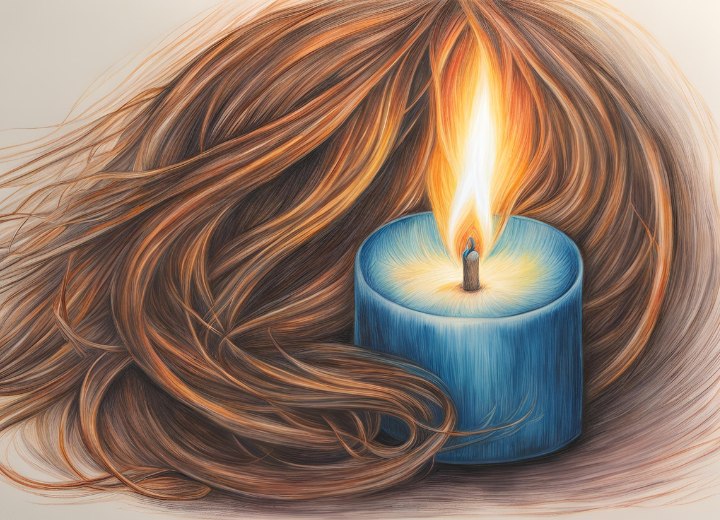
Q: How flammable is hair? Does it catch fire immediately when it comes into contact with flames?
A: This is a very sensible question. Because hair fires are relatively uncommon, many people underestimate how easily hair can ignite around open flames. We naturally exercise caution with loose clothing near fire, but long hair often gets overlooked, which can lead to scary situations. Simple, everyday moments - like leaning over a birthday cake to blow out candles - can turn dangerous in an instant if loose hair brushes a flame.
Because the hair shaft itself contains no nerves, you won't feel the hair burning directly. Most people only realize their hair is on fire when they catch the distinctive, pungent smell of burning keratin, notice the glow, feel radiant heat on their skin, or have someone alert them.
While individual hair strands provide little fuel and often self-extinguish after charring, you shouldn't count on a fire going out on its own. As hair burns, it shrinks, curls, and becomes brittle. Although a few loose strands may burn out quickly, thicker locks, ponytails, or braids can provide enough fuel for flames to spread, causing serious burns to the scalp, face, neck, and ears.
Freshly applied hairsprays containing volatile solvents like alcohol are especially flammable until those solvents evaporate. Some oil- or wax-based styling products may also increase flammability compared to clean, untreated hair, though the degree varies by product.

You don't need to cut your hair to stay safe. Simply extend the same care to your hair as you would to flammable fabrics. Tying long hair back when lighting candles, leaning over barbecues, sitting by campfires, or enjoying birthday celebrations keeps you safe while keeping your locks beautiful.
If hair catches fire, act immediately to smother the flames using a fire blanket, heavy cloth, or water, and seek medical attention for any burns.
©Hairfinder.com
See also: The melting point fo hair