Water Temperature to Wash Hair
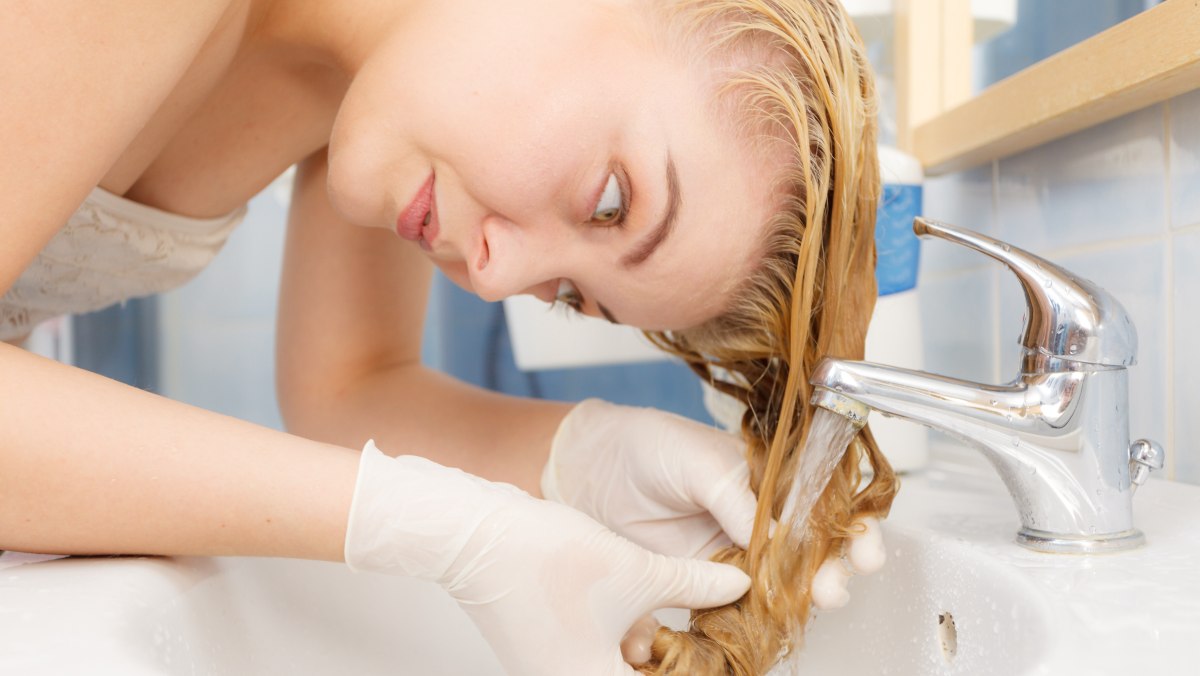
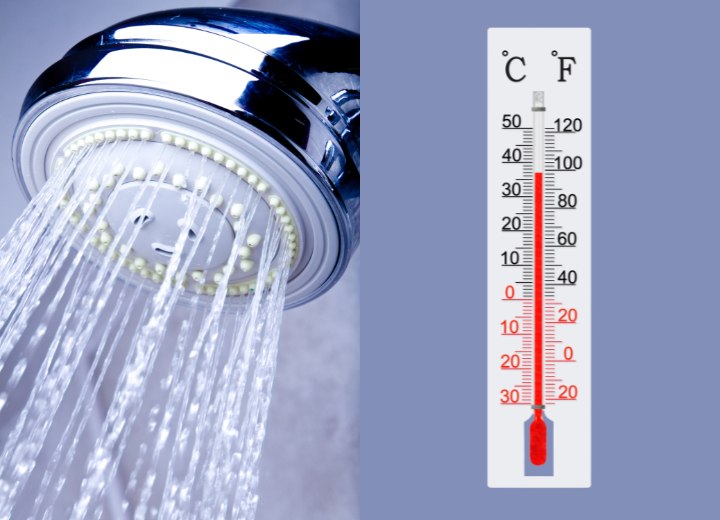
A: For the average person looking to cleanse moderately soiled hair, warm water - around 37°C to 38°C (98°F to 100°F), or just slightly above normal body temperature - is the ideal choice. Warm water helps shampoo break down daily dirt and scalp oils effectively. It also helps conditioner glide through your hair and rinse out completely, so you aren't left with a heavy residue.
Why Hot Water Should Be Avoided
While very hot water might seem helpful for dissolving heavy styling product buildup or waxy residue, it can cause more harm than good. Extremely hot water strips away the protective moisture layer on your scalp, which can trigger dryness and flaking.Heat also makes the hair's outer cuticle swell and lift. This makes hair strands porous, brittle, and prone to frizz and breakage. If you need to clear heavy product buildup, stick to a clarifying shampoo paired with warm water instead of cranking up the heat.
The Cold Rinse Reality
A popular myth claims that cold water tightens scalp pores to stop oil production. This is not true. Pores lack the muscle tissue needed to open or close, and your body's oil production is driven by hormones rather than temperature. However, finishing your shower with a cool or tepid rinse - around 20°C to 25°C (68°F to 77°F) - is still a good practice.The outer layer of each hair strand consists of tiny, overlapping scale-like cells known as cuticles. Water causes these scales to swell, and cold water helps contract the keratin slightly, so the scales lie flatter compared to hot water. Flatter cuticle scales reflect light more evenly, which is why hair looks shinier and feels smoother after a cold rinse. That cold water doesn't permanently seal anything. The effect is temporary and cosmetic.
Protecting Color-Treated Hair
High heat causes the hair's cuticle scales to expand and lift away from the core shaft. Hot water opens the cuticle layer and allows artificial pigment molecules (especially smaller red and semi-permanent dye molecules) to escape, leading to premature fading.Washing with lukewarm water and finishing with a cool-water rinse helps keep the cuticle flat. This preserves the shine and color vibrancy of color-treated hair.
The Right Temperature for Your Hair Type
• Fine or Flat Hair: Stick exclusively to lukewarm water for washing and rinsing. Cold water doesn't flatten fine hair directly, but failure to rinse out conditioner thoroughly can leave fine hair limp and weighed down. Lukewarm water ensures clean rinsing.• High-Porosity or Curly Hair: Porous or textured hair loses moisture fast. A lukewarm wash followed by a cool-water rinse helps smooth the outer cuticle layer, locking in hydration and keeping curl patterns well-defined.
Water Hardness
Temperature isn't the only element coming out of the showerhead. Hard water (water rich in calcium and magnesium minerals) chemically reacts with shampoo to create a thin film on your hair. This mineral coating feels like oily residue, takes away natural shine, and prevents conditioners from penetrating the hair.If your hair feels stiff, coarse, or lifeless no matter what water temperature you use, the culprit might be mineral buildup. Adding a showerhead filter or using a chelating shampoo once a week can restore your hair's natural texture and shine.
©Hairfinder.com
See also:
How shampoo cleans the hair
Washing hair and hair growth
How to towel dry hair