Hair Color and Thyroid Medicine
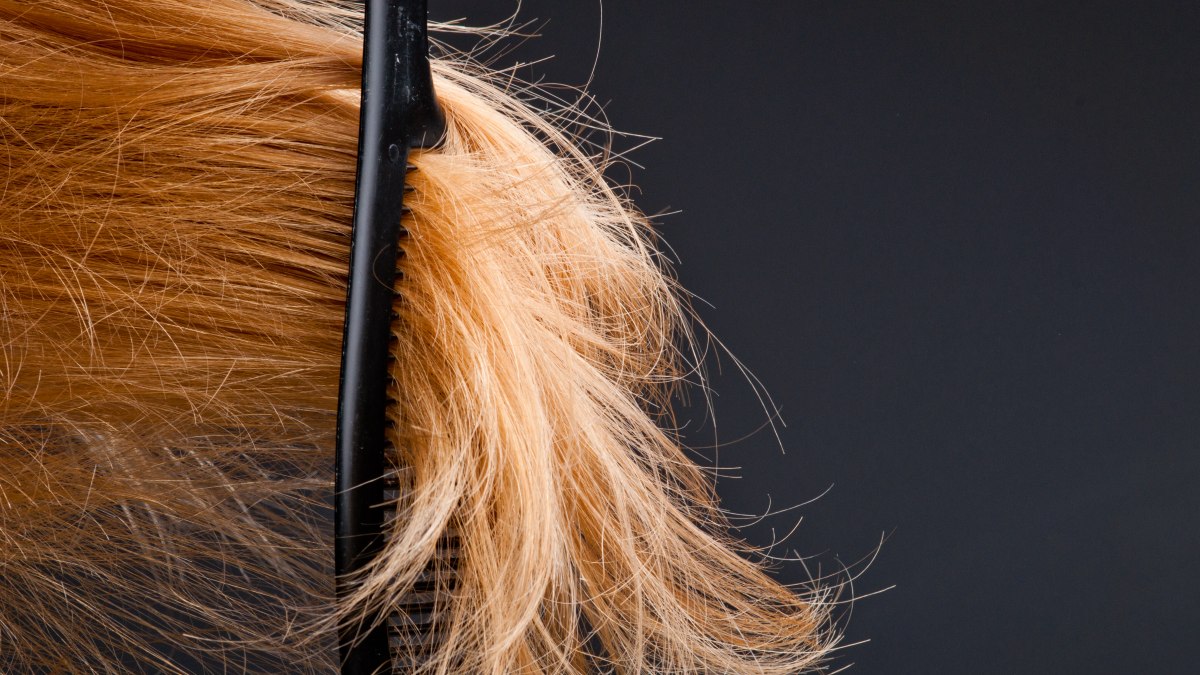
A: There are a number of factors that could affect the results of your hair color service over the long term. They could be related to taking thyroid medication (some thyroid medications and thyroid conditions have been associated with changes in hair pigmentation, most commonly causing the hair to appear darker) but they aren't necessarily the cause. In many cases, the issue comes down to hair porosity, environmental buildup, or the formulation of the hair color being used.
Underlying Warm Tones
If your natural hair color is a darker shade and, as you describe, it tends to carry a lot of red, then the process of lightening the hair and toning it to achieve a cool blonde can be especially challenging. Red and orange underlying pigments are present in darker hair, and those warm tones are often the last to disappear during the lightening process. Even after a successful blonding service, they have a tendency to reappear as toner gradually fades.Some hair colors hold onto their underlying base pigments for a long time during lightening. The lighter you lift the hair compared to its natural level, the more porous it generally becomes. Porous hair doesn't hold artificial color pigments as well as healthy hair, so the cool ash or violet tones used to neutralize warmth can fade more quickly. As those cool pigments wash away, the natural warm undertones begin to show through again, making the blonde appear gold, copper, or reddish.
Environmental Influences & Hair Health
Environmental factors like hard water can also play a major role that is often mistaken for toner failure. Minerals in hard water (particularly iron and copper) can deposit directly onto lightened hair shafts, causing them to turn brassy or pull orange over time, regardless of how well your salon hair coloring service went.The condition of your hair plays a crucial role as well. Thyroid disorders themselves directly affect hair health. Both hypothyroidism and hyperthyroidism can change the texture, density, protein structure, and growth cycle of the hair.
Some people notice that their hair becomes drier, coarser, finer, or more fragile. When hair structure is compromised by thyroid imbalance, it can absorb chemical dyes unevenly or fail to hold onto toner molecules altogether.
Steps to Take
I would suggest eliminating the more cosmetic and environmental causes first:• Evaluate your water: Consider using a chelating/demineralizing shampoo or installing a shower filter if you have hard water.
• Consult your stylist: Talk with them about the lifting process, whether a bond-builder is needed to support fragile hair, and if your porosity requires a different color formula or a stronger deposit of cool pigments.
• At-home maintenance: Incorporating a blue shampoo once a week can help counteract red and orange undertones between salon visits.
When to Consult a Doctor
If you continue to notice unusual changes in your hair color or texture after addressing the cosmetic possibilities, then it's worth discussing the issue with your doctor.Mention both the thyroid condition and the specific medication you're taking. If your medication or thyroid levels are affecting hair quality or pigmentation, your doctor can evaluate whether your dosage needs adjusting. However, you should never stop or change thyroid medication without your doctor's guidance.
Harmonious Color Strategy
If your natural color contains a significant amount of red pigment, I would also suggest reconsidering whether a very cool blonde is the most practical goal. Hair with strong warm undertones often requires frequent toning.Instead, you may find that a neutral, beige, honey, or soft strawberry blonde in your preferred lightness level works more harmoniously with your natural pigment. Choosing a blonde that complements your underlying warmth rather than constantly fighting against it can produce a more natural-looking color while helping your color stay beautiful between salon visits.
This answer is intended for informational purposes only. For medical advice or a diagnosis, contact a doctor.
©Hairfinder.com
See also:
Hair color and coloring
Signs and symptoms of thyroid disease
Medications with side effects that affect your hair