Hair Straightening and Hair Loss
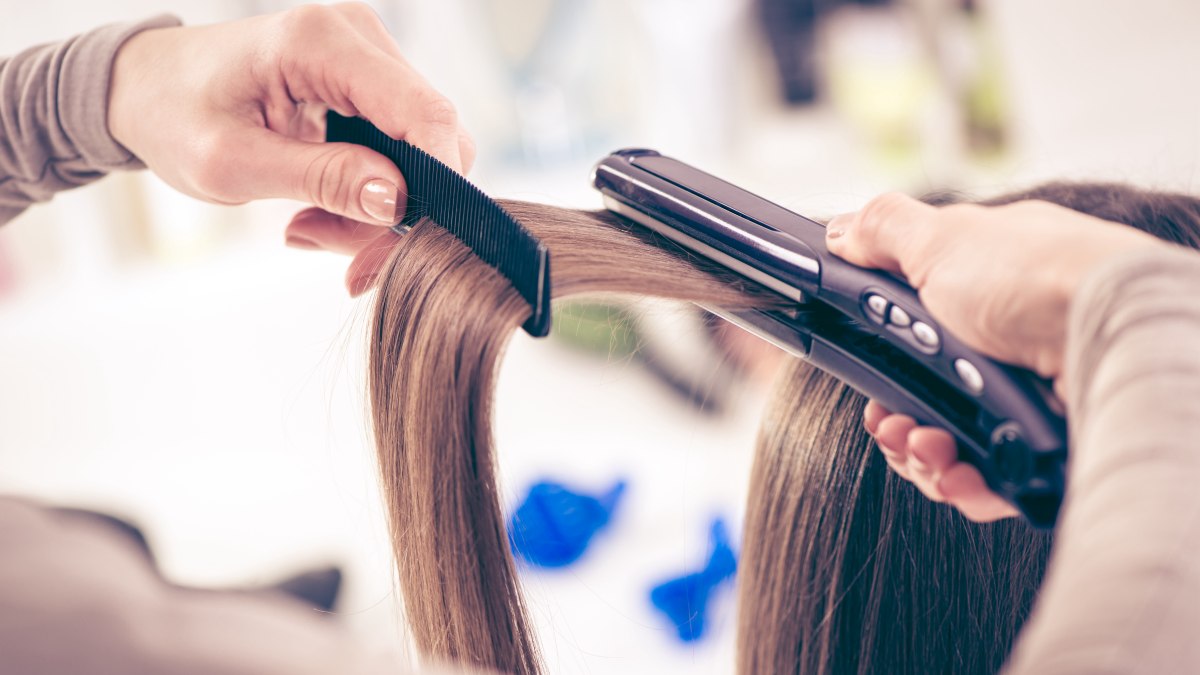
A: Generally, no. Straightening your hair does not, by itself, directly cause hair loss. Whether you choose mechanical straightening with a flat iron or chemical treatments like relaxers, keratin, or Japanese straightening, these processes are generally safe as long as your scalp and hair are healthy beforehand, and the process is performed correctly according to instructions or by a licensed professional.
Hair Breakage vs. True Hair Loss
It is essential to distinguish between hair damage (breakage) and true hair loss, as the two are often confused:• Hair Breakage: Straightening - especially when done too frequently, at excessively high temperatures, or with improperly applied chemicals - weakens the structural bonds of the hair shaft. This can lead to dryness, split ends, and strands snapping off mid-length. While this can make your hair look noticeably thinner, the root and follicle remain intact beneath the skin.
• True Hair Loss: True hair loss occurs when hair detaches directly from the follicle or when the follicle itself is compromised and stops producing hair.
When Straightening Can Cause Follicle-Level Hair Loss
For straightening to cause actual follicle-level hair loss, the hair roots must be directly affected. While rare in standard, well-executed routines, there are a few key situations where root damage can occur:• Thermal or Chemical Burns: If a flat iron touches the skin or chemical straighteners are applied improperly or left on too long, they can cause severe burns. If deep enough, these burns can scar the hair follicles beneath the skin, potentially leading to permanent hair loss in those patches.
• Traction Alopecia: Straightening hair while pulling it under extreme mechanical tension puts immense strain on the roots. Over time, this constant pulling can damage the follicles and cause traction alopecia.
• Chronic Scalp Inflammation: Frequent, long-term exposure to harsh chemical relaxers can sometimes trigger persistent scalp inflammation. In some individuals, this repeated irritation has been linked to forms of scarring hair, where healthy follicles are gradually replaced by scar tissue.
Scalp Sensitivities and Allergic Reactions
Some people may also experience sensitivity or allergic contact dermatitis from specific ingredients found in chemical straighteners (such as formaldehyde-releasing preservatives or strong alkalis). Reactions can range from mild scalp redness, itching, or burning to more noticeable inflammation.This is why salon professionals conduct a patch test on a small area of skin before applying chemical treatments to the entire head.
How to Protect Your Hair and Scalp
Excessive heat styling over time makes hair more fragile, particularly if your hair is already color-treated, bleached, or dry. You can protect your hair and scalp by following these best practices:• Use Heat Protection: Always apply a quality heat protectant spray before using hot tools.
• Lower the Temperature: Keep hot tools at the lowest effective heat setting and avoid repeated passes over the same section of hair.
• Give Hair a Break: Allow rest periods between chemical services rather than processing too frequently.
• Hydrate and Condition: Maintain a regular moisturizing and deep-conditioning routine to preserve hair elasticity and strength.
©Hairfinder.com
See also:
Hair straightening
Will hair that got burned close to the scalp grow back?
What can I do if I burned a piece of my hair with an iron?