Hair Loss and Ingrown Hairs
A: While it is tempting to try and clear the path for new hair growth, those specific methods are highly likely to worsen the situation.
• Shaving your head can actually aggravate the problem. Cutting hair down to or below the skin line gives it a sharp, angled edge that easily pierces the follicle wall or traps it beneath the surface as it grows.
• Harsh combing will irritate the scalp, cause micro-tears, and inflame the area.
• Undiluted eucalyptus oil is highly concentrated and notorious for causing severe contact dermatitis (skin irritation) on an already vulnerable scalp.
Why This Happens
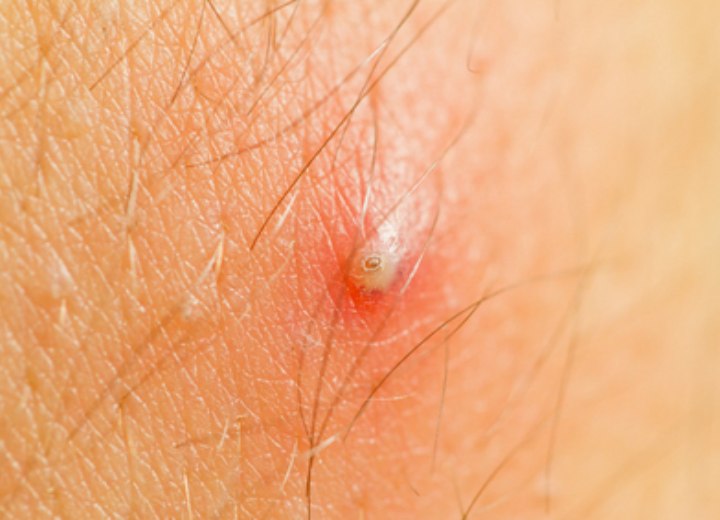
These bumps are typically the result of constrained or clogged hair follicles. When a hair is shed and the follicle sits dormant for a few months, the pore opening can become constricted or plugged with a mix of dead skin cells and sebum (oil). When the new, fine hair tries to emerge, it gets trapped beneath this blockage.If your hair is naturally curly or coarse, it possesses a natural curvature that makes it inherently more prone to looping backward or sideways into the skin as it regrows.
Hair Regrowth Routine
Because you already have red bumps, it is highly likely some hairs are already trapped. To safely manage the current bumps and prevent new ones from forming, implement this routine:• Chemical Exfoliation: Use a scalp cleanser or toner containing salicylic acid. Because salicylic acid is oil-soluble, it can penetrate deep inside the sebum-clogged follicle to dissolve the plug from the inside out.
• Gentle Physical Exfoliation: Wash your scalp using a soft washcloth or a flexible, silicone scalp brush in light, circular motions. Avoid any harsh scrubbing, which will only worsen inflammation.
• Non-Comedogenic Hydration: Apply a lightweight, non-comedogenic (pore-safe) moisturizer or a soothing scalp serum containing aloe vera or centella asiatica (Gotu Kola). This keeps the outer layer of skin pliable, making it easier for new hair to break through.
• Strictly Hands Off: Avoid picking, popping, or squeezing the bumps. This introduces bacteria from your hands deeper into the skin, which can lead to permanent scarring or localized infection that damages the recovering hair follicles.
When to See a Doctor
If these red bumps become highly inflamed, develop painful, pus-filled heads, or begin to spread rapidly, you may be dealing with folliculitis (a bacterial or fungal infection of the hair follicles). If this occurs, or if your scalp condition fails to improve, consult a dermatologist. They can prescribe targeted topical treatments or prescription antimicrobial washes to keep your hair regrowth safely on track.©Hairfinder.com
See also:
Hair growth Q&A
Epilator and ingrown hairs