Hair Extensions and Going Bald
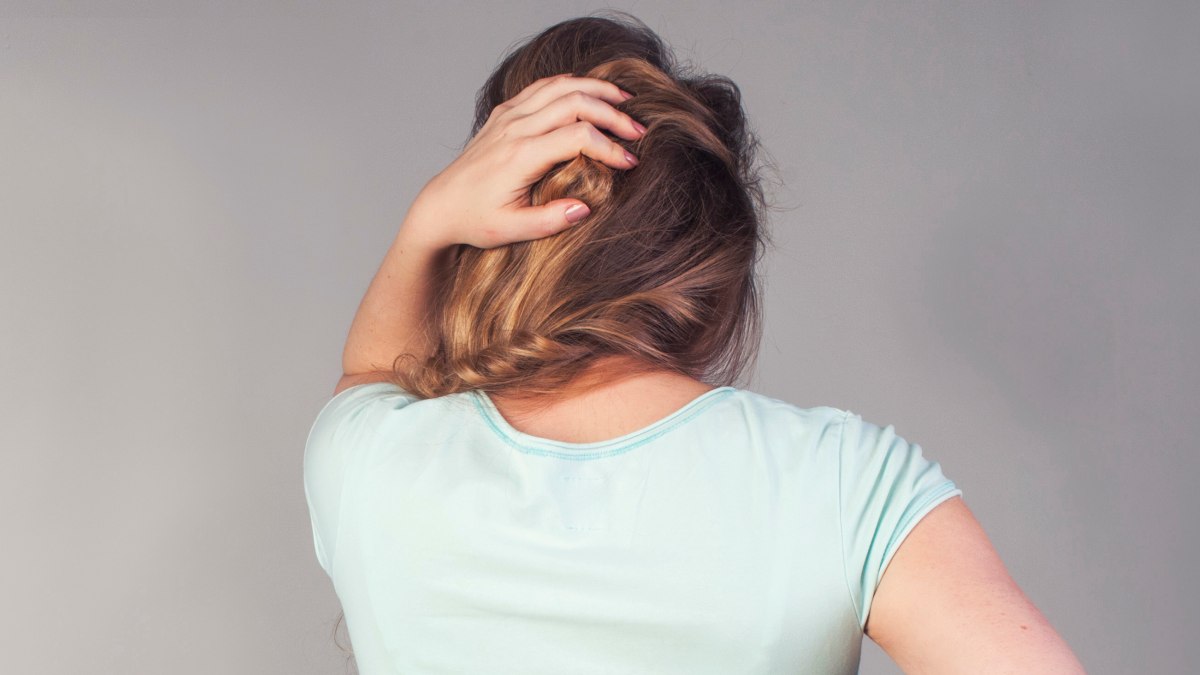
A: Properly applied and cared for, hair extensions are safe for most people to wear. However, problems occur when extensions are applied incorrectly, left in too long, or neglected. Many people try to stretch the time between maintenance appointments or skip the home care routine, which s increases the risk of damage to the natural hair.
As your natural hair grows, however, the attachment points move farther away from the scalp. This creates extra movement and leverage on the attached strands. If extensions are not repositioned at recommended intervals (typically every 6–8 weeks), this increased tension can stress the hair follicles, and make individual hairs break or pull out at the root. Wearing extensions that are too heavy for your hair type or repeatedly pulling them into tight ponytails or buns worsens this problem.
Hair loss caused by continuous, prolonged tension is known as traction alopecia. It is associated with poorly maintained or improperly applied hair extensions, as well as tight braids and pulled-back hairstyles. In its early stages, traction alopecia is often reversible once the source of tension is removed. But, if the follicles are subjected to constant pulling over a long period, permanent damage can occur, preventing future hair growth.
The discussion surrounding celebrities like Naomi Campbell brought traction alopecia into the spotlight. However, hair loss in these cases is typically linked to years of continuous stress on the hair and scalp. Extensions themselves do not cause baldness. Improper application, excessive weight, poor maintenance, and continuous tension are the real culprits.
Choosing the right type of extensions for your hair is just as important as choosing an experienced stylist. A good extension specialist will evaluate your hair's thickness, density, and overall health before recommending a method. Fine or fragile hair requires lighter extensions or specialized attachment systems compared to thicker, stronger hair.
To keep your natural hair as healthy as possible while wearing extensions:
• Follow the maintenance schedule: Never skip or delay repositioning appointments.
• Brush gently: Use an extension-safe brush (like a loop brush or soft bristle brush) and support the roots of your hair with your hand while brushing near the extensions’ attachment points.
• Avoid excessive heat and chemicals: Keep hot tools and harsh products away from the extension bonds to prevent weakening them.
• Sleep smart: Never sleep with wet extensions.
• Keep your scalp clean: Prevent product and oil buildup around the attachment points.
• Listen to your scalp: If you notice pain, excessive shedding, or extensions that feel too tight, contact your stylist immediately rather than waiting for your next appointment.
©Hairfinder.com
See also:
Hair extensions
Traction alopecia
How to take care of hair extensions