Pulling Hair from Moles
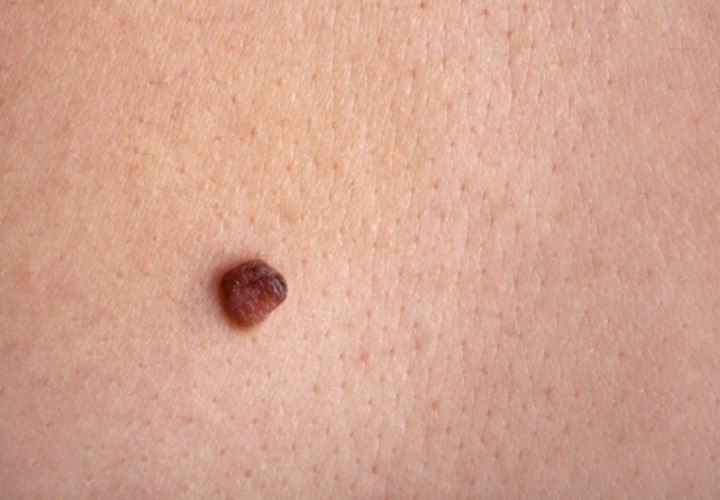
A: Despite what many people have heard over the years, there is no medical evidence that plucking a hair from a mole will cause it to become cancerous. This is a myth that has been passed down for generations. Dermatologists and oncologists agree that removing hair from a mole does not cause skin cancer.
However, the method you choose to remove hair should depend on the type of mole you have. Flat moles generally present fewer challenges, while raised moles require extra care. If you shave over a raised mole, use a light touch to avoid cutting or nicking the skin. Any cut can become irritated or infected, especially if proper hygiene isn't followed.
Plucking hair from a mole is generally safe, but repeated plucking can sometimes cause redness or inflammation around the hair follicle. These reactions are usually mild and resolve on their own within a few days. If you notice persistent pain or signs of infection after removing a hair, the area should be evaluated by a doctor.
Whether you're removing hair at home or in a salon, proper sanitation is essential. Tweezers and other hair removal tools should be disinfected before use to reduce the risk of introducing bacteria into the skin. In a professional setting, the same sanitation and sterilization procedures used for any hair removal service should be followed when working around a mole.
It's a good idea to become familiar with the appearance of your moles. Hair growing from a mole is not a sign that it is healthy or unhealthy. Many completely normal moles produce hair. However, if you notice changes in a mole's size, shape, color, or symmetry, or if it begins to itch or bleed, schedule an examination with a dermatologist. These changes are far more important than whether a hair has been removed from the mole.
This answer is intended for informational purposes only. For medical advice or a diagnosis, contact a doctor.
©Hairfinder.com
See also:
Hair myths
How to remove unwanted hair