Hair Coloring Accelerates Graying
A: No. There is no evidence that coloring your hair makes it turn gray faster or causes additional gray hairs to grow. The timing and extent of hair graying are influenced strongly by aging and genetics, while oxidative stress, cellular damage, and changes in the pigment-producing cells of the hair follicle are among the biological mechanisms involved.
What generally occurs to create the belief that coloring hair accelerates graying is a matter of perception and timing:
• Concealed Progress: An individual typically begins coloring their hair when they first notice a few gray strands. They then maintain that color for months or years, with regular touch-ups. During that time, the natural aging process continues. When they eventually allow the color to grow out, the new root growth may reveal significantly more gray hair than was present when they started coloring.
• High Contrast: The sharp contrast between newly grown gray or white roots and the artificially pigmented hair shaft can make the change look sudden. This can create the impression that the dye somehow triggered a burst of gray hairs, when in reality the underlying graying process was continuing while the hair was being colored.
The Science Behind Graying
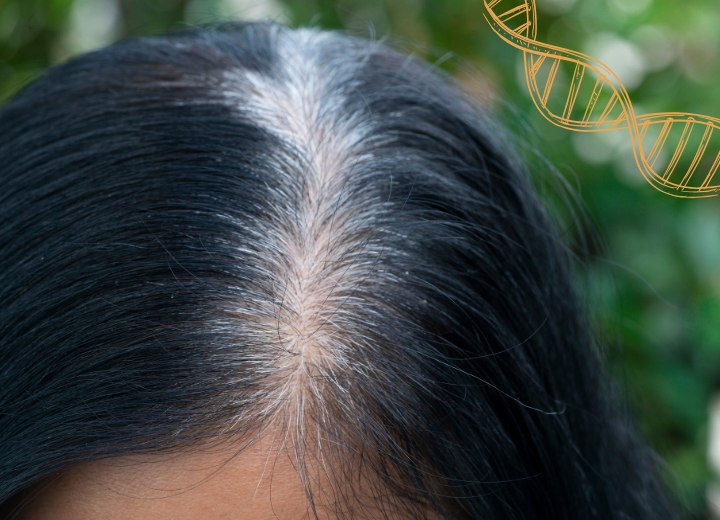
Gray hair is primarily the result of changes in the pigment-producing system within the hair follicle. In particular, melanocytes are responsible for producing melanin, the pigment that gives hair its color. As we age, melanocytes and the melanocyte stem cells that replenish them can become less effective, depleted, or dysfunctional. Genetic factors play an important role in determining when and how extensively this occurs.Hair pigmentation involves two major types of melanin: eumelanin, which contributes brown and black colors, and pheomelanin, which contributes red and yellow tones. Changes in the amount and type of melanin produced by the follicles determine the natural color of the growing hair.
Oxidative stress is also thought to contribute to the graying process. Research has found evidence of increased oxidative damage and changes in antioxidant defenses in aging and graying hair follicles. Hydrogen peroxide and other reactive oxygen species may therefore play a role in disrupting melanocyte function. However, hair graying is a complex biological process, and oxidative stress is only one part of the explanation.
When a follicle produces little or no melanin, the new hair that emerges is unpigmented and appears white. Hair that contains reduced amounts or mixtures of pigment can appear gray or silver, particularly when white or gray hairs are mixed with naturally pigmented hairs.
Can Dye Ever Affect Pigment?
Routine temporary, semi-permanent, and permanent hair coloring has not been shown to accelerate the biological graying of hair follicles. Hair dyes can, however, affect the hair shaft itself and can sometimes affect the scalp.For example, some permanent hair dyes contain ingredients such as p-phenylenediamine, which can cause allergic contact dermatitis in susceptible individuals. A severe allergic reaction can contribute to temporary hair shedding in some cases. These effects should not be confused with the biological process that causes a follicle to stop producing pigment.
In other words, hair coloring can damage or alter the existing hair shaft and, in some people, cause allergic reactions, but there is no evidence that ordinary hair coloring causes follicles to produce gray hairs or accelerates the dysfunction of their pigment-producing cells.
©Hairfinder.com
See also:
Going gray
Why and how hair goes gray
The average age for going gray