Curly Hair Going Away
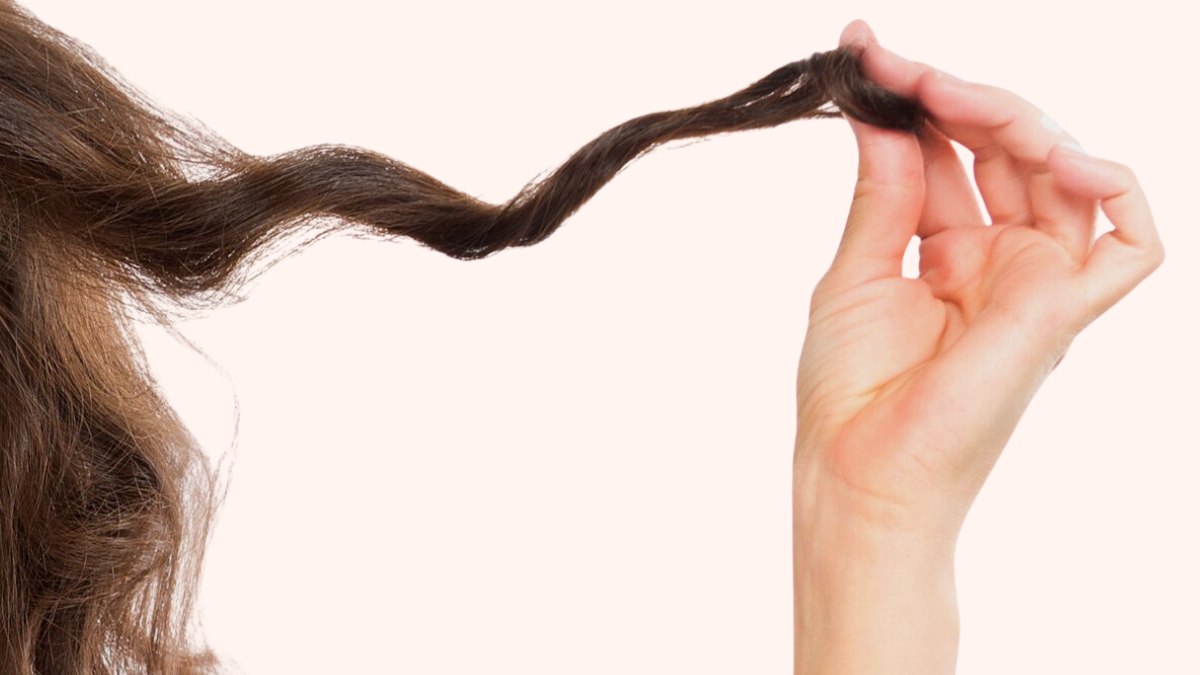
A: Yes, it is true that your hair's texture can change over time, and for some people that means curls become looser or disappear altogether. In most cases, these changes are a natural part of aging and are largely determined by genetics. Just as many babies and toddlers with adorable curls eventually grow straighter hair as they get older, adults often notice changes in their hair's wave pattern, texture, and growth as they move into middle age and their senior years.
In addition to changes in curl pattern, hair itself often changes in other ways with age. Previously thick, coarse hair may become finer, softer, or more sparse. Hair may also lose pigment and turn gray or white. These changes are primarily genetically predetermined, which means there is very little that can be done to stop them completely.
But, genetics are not the only factor that can influence hair texture. Hormonal changes can affect the way your hair grows. Pregnancy, childbirth, menopause, thyroid disorders, and other hormonal shifts can all temporarily or permanently change the curl pattern. In some people, hormonal changes make hair curlier, while in others they cause curls to loosen or disappear.
Other factors can also influence the health and appearance of your curls. Poor nutrition, significant weight loss, chronic illness, high levels of stress, certain medications, and even some medical treatments can alter how hair grows. Since these changes begin beneath the surface of the scalp, they usually don't become noticeable until several months later, when the newly growing hair emerges.
Environmental factors may also make curls appear less defined even though the natural curl pattern hasn't actually changed. Frequent heat styling, chemical services such as bleaching or chemical straightening, excessive sun exposure, and physical damage from rough brushing or tight hairstyles can weaken the hair shaft and stretch out the curl pattern. In these cases, improving the condition of the hair may help restore some of its natural bounce.
The important first step is to determine whether your hair changes are likely due to a treatable cause or are simply part of the natural aging process. If the changes appeared suddenly, are accompanied by excessive shedding, or coincide with changes in your health, medications, or hormones, it's a good idea to consult your doctor. Your doctor can evaluate whether an underlying medical condition, nutritional deficiency, or hormonal imbalance is contributing to the changes and recommend appropriate treatment if necessary.
If your curls have loosened because of genetics or normal aging, there is unfortunately no proven way to permanently restore your original curl pattern. However, there are several ways to make the most of the texture you still have.
Rollers and curling irons can help to create or enhance curls. If you're looking for a longer-lasting solution, a permanent wave may be an option, depending on your hair's condition. You can also encourage your natural texture by using products designed specifically for curly hair. Curl-enhancing shampoos, conditioners, leave-in conditioners, mousses, and curl creams can help.
©Hairfinder.com
See also:
Hair growth Q&A
Hair texture change
The changing hair of the aging woman
Hair styling with curling irons